

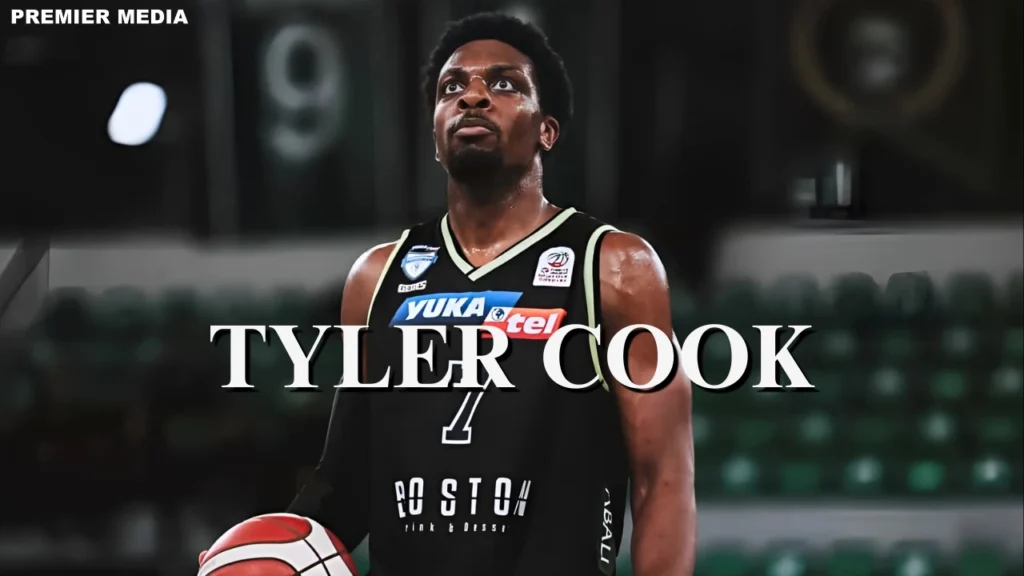
From standout years in the Big Ten with Iowa to fulfilling his dream of making the NBA, and now establishing himself as a high-level pro overseas, Tyler Cook has lived multiple chapters of a basketball journey defined by resilience, faith, and growth.
In this interview with Premier Media, Cook reflects on his college days, his path to the NBA, the mental and physical demands of professional basketball, and his current overseas career.
College & Iowa Experience
1. Let’s start with your time at Iowa. What did playing Big Ten basketball teach you that prepared youfor the pros?
Playing in the Big Ten prepared me for the level of physicality at the professional levelmore than anything,especially overseas/fibabasketball. I feel like play style in the Big Tenand European hoops is pretty similar in that regard. It was great coming to Europe andalready having that experience of a more physical game, it helped me adapt much easier.
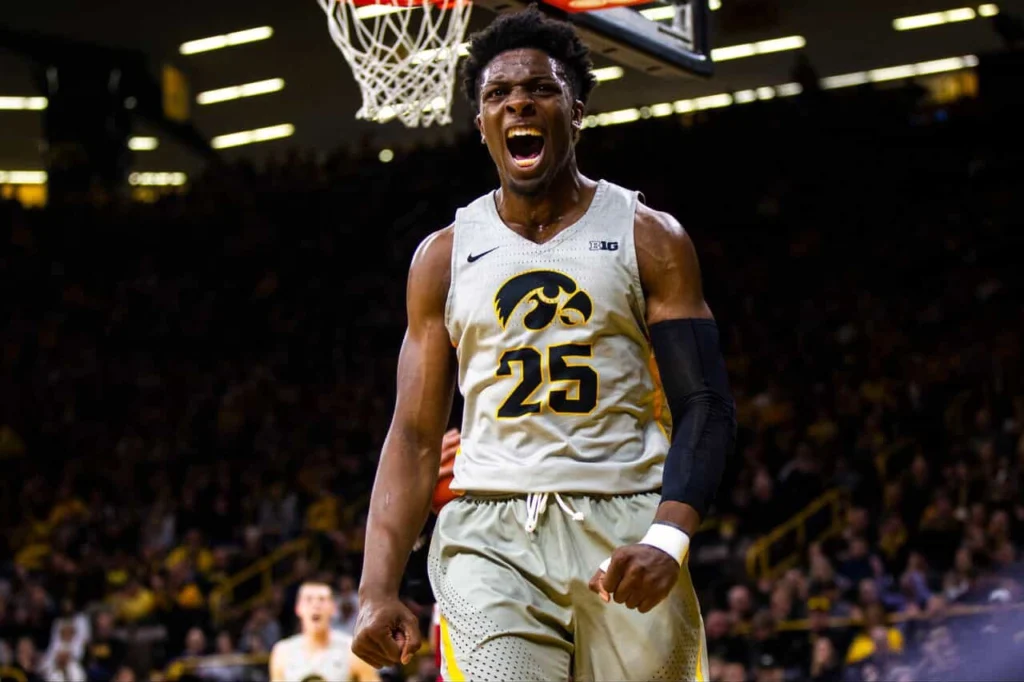
2. How did your role at Iowa shape your identity as a player going forward?
Part of the reason I went to Iowa is because I knew they needed me to be anumber 1option,and that was something I didn’t have experience being before then. Having that rolein college helped me learn how tobe that number 1 option as a pro. I’ve been in that role mywhole pro career outside of my time in the NBA, and I have had success because my role atIowa prepared me for it.
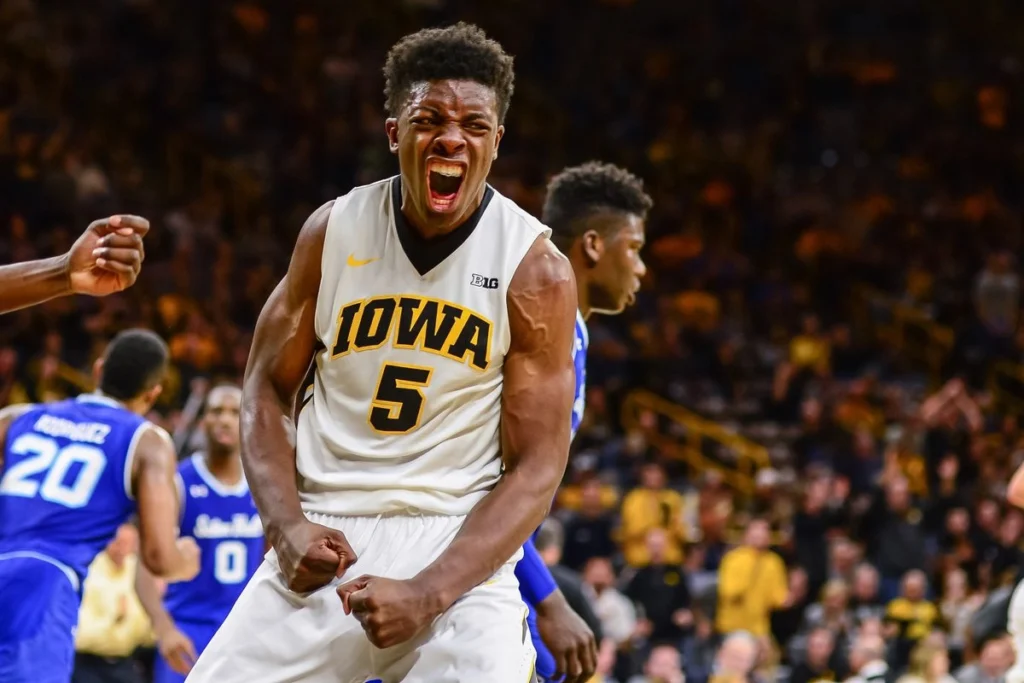
3. Looking back now, is there anything you would’ve approached differently during your college years?
I definitely wish I had the work ethic I have now when I was in college. I thought I was working hard then, but the more I’ve been exposed to in these past 6 years, the more I realized I could have been a much more consistent and smarter worker back then.
NBA Path
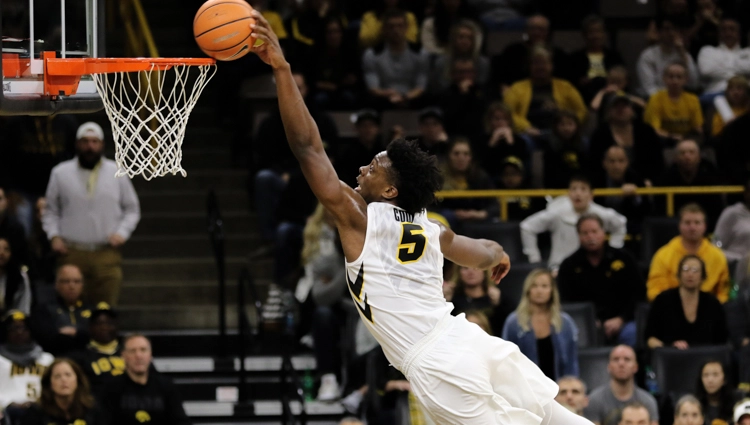
4. You went undrafted but still made it to the NBA – what was your mindset during that time?
My mindset was to do anything and everything I could do to make a team and get on the floor. I was a projected second round pick, but I broke my ankle a few weeks before the draft, so I wasn’t able to get through my pre-draft workouts. I knew when I got hurt that I would go undrafted, so that put me in the mindset that I had an even bigger hill to climb. It was just work, and God’s grace that I was able to see my dreams come to pass.

5. What was the biggest adjustment from college to the NBA – mentally or physically?
The biggest adjustment was definitely mentally. I was physically ready to go pretty early on, but the mental aspect is a whole different game. The approach to the work must be on a whole new level. Film, practice, taking care of your body, being able to go long stretches without playing and still stay ready, all those things take a different mentality than a lot of guys are used to having in college.
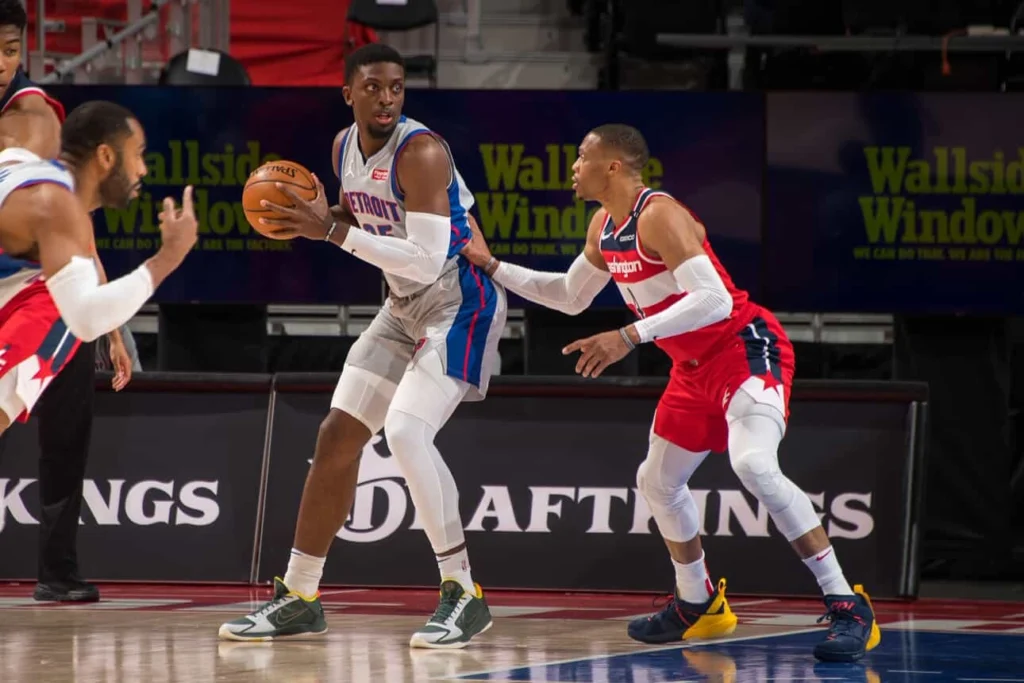
Overseas Career
6. When you first decided to go overseas, what were the biggest questions or concerns on your mind?
My biggest concern was just how I was going to do being away from my family and loved ones. I never had a doubt or even a question if I’d be a good pro overseas. I’ve produced at a high level everywhere I’ve been. The only thing I thought about was how tough it was going to be moving away from my people for so long.
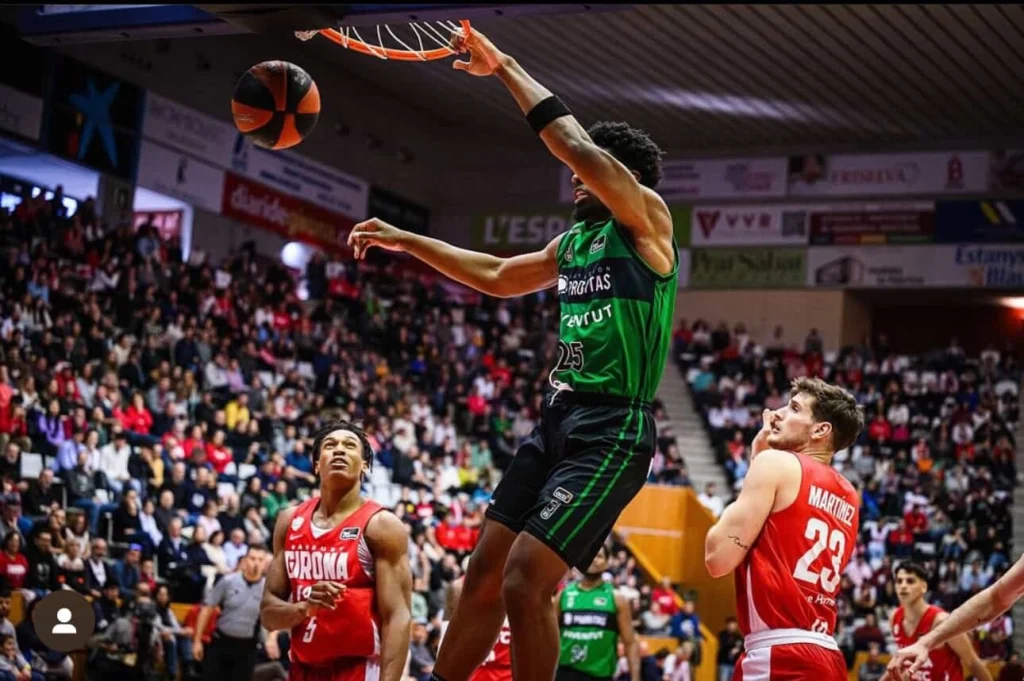
7. What’s something about overseas hoops that you think American fans don’t appreciate enough?
I think American basketball fans that are able should go to a high level overseas basketball game. I think the atmosphere is something special, especially in the Euroleague. I feel like people who just love to see what basketball means to people around the world would love to see what that atmosphere is like.
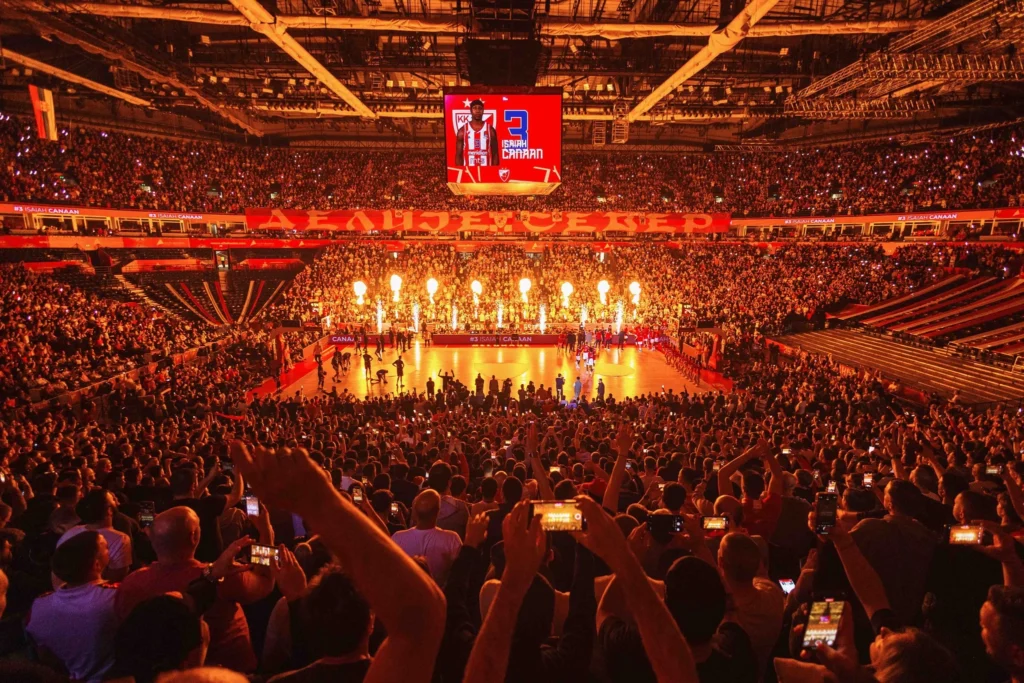
Advice & Perspective
8. What advice would you give to young players who might not make the NBA right away but want to keep pursuing their career overseas?
I would say a lot, but I think the most important thing is to keep the main thing, the main thing. Approach the game the same way regardless of where you are. Work on your game, your mind, and your body the same way you would at home. There is a lot of opportunity overseas, so don’t let not being in the NBA stop you from being the best player you can be and getting to a bag.
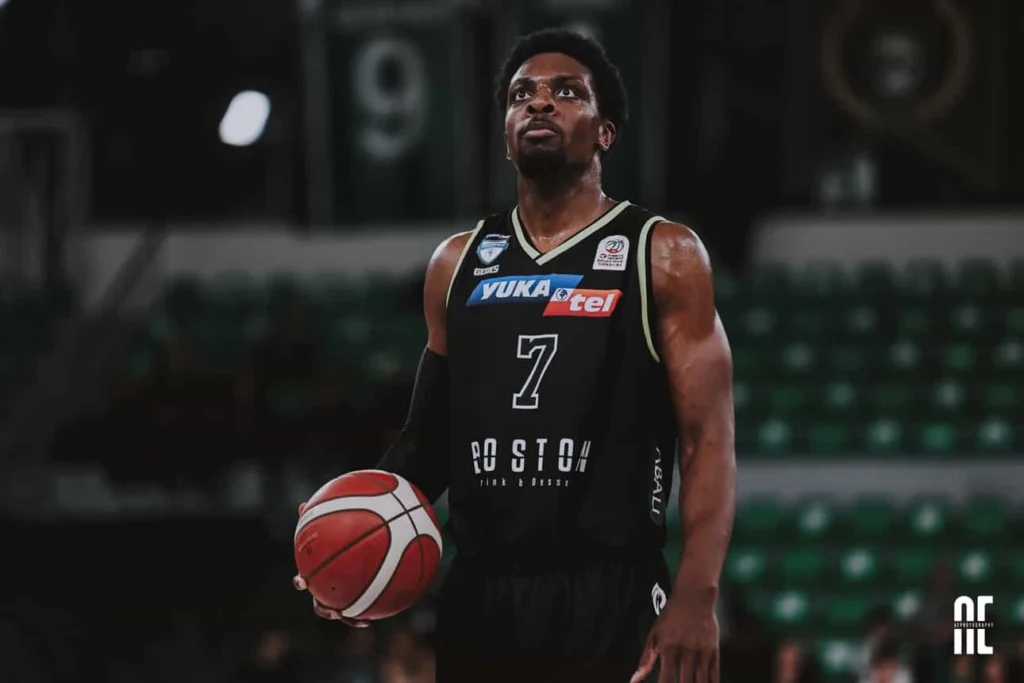
9. Do you think enough players give overseas ball the respect it deserves as a legit career path?
I think so. People who really know hoops realize that there are only so many spots in the league, and the NBA is not always about who the best player is. There are guys with NBA talent all over the world, and I think the people who have really been in those high level basketball environments understand and respect that.
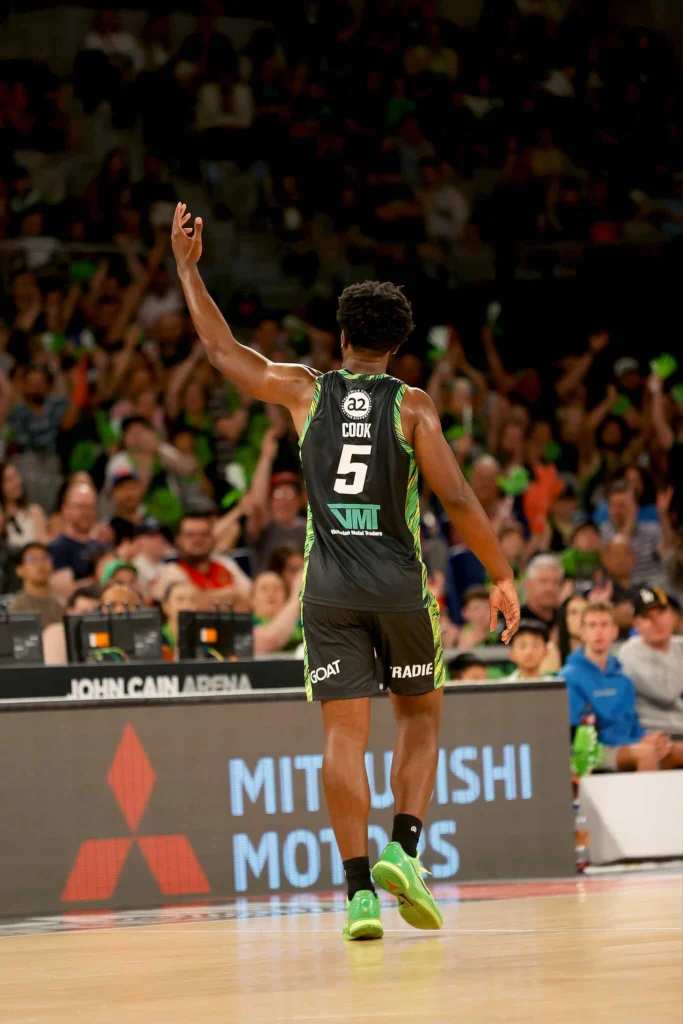
Tyler Cook’s journey shows the many paths a basketball career can take. From being a leader in the Big Ten to climbing his way into the NBA and now thriving overseas, he has embraced every challenge with resilience and growth. His story stands as an example for young players that success comes in many forms — and hard work, faith, and adaptability are key to making the most of the journey.