

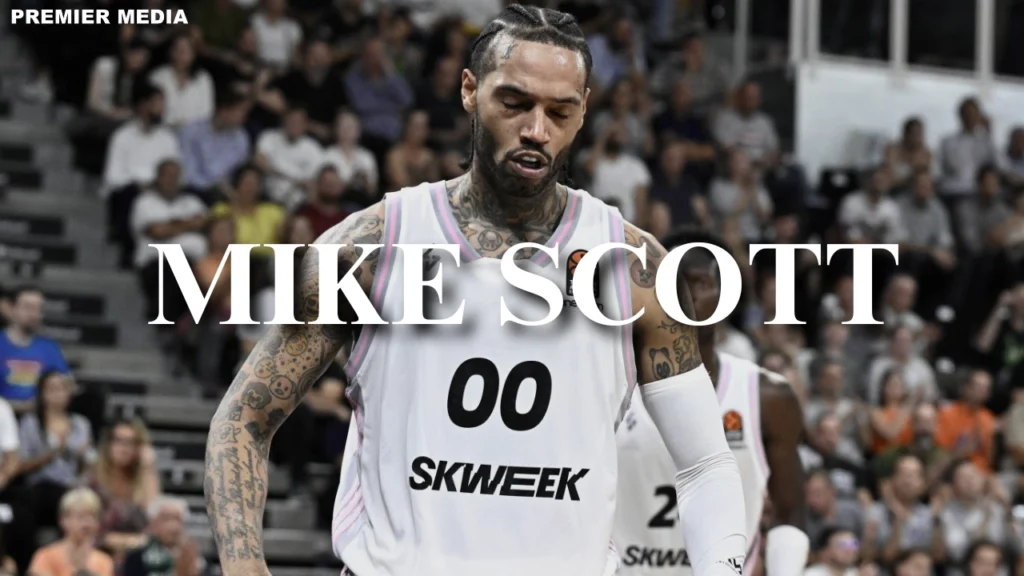
From his early days at the University of Virginia to getting drafted by the Atlanta Hawks, competing in the NBA, and later continuing his career in Europe and Puerto Rico, Mike Scott has experienced basketball at every level. Known for his toughness and adaptability, his journey reflects both the highs of guarding high-level players on the biggest stage and the challenges of adjusting to new environments overseas.
In this interview with Premier Media, Scott reflects on his path through the NBA, his overseas experiences, and his vision for the future.
Early Years & College
1. Let’s start at the beginning — what first got you into basketball, and what role did growing up in Chesapeake, Virginia play in your development?
I started playing basketball at the age of 4. At preschool/daycare, I used to throw my hat and gloves in the trash like it was a basketball hoop. My dad noticed my hats and gloves were going missing, and when he asked the teacher where they were, she told him I was using them as a basketball, lol. So my pops got me a basketball and a goal, and that’s how it all started
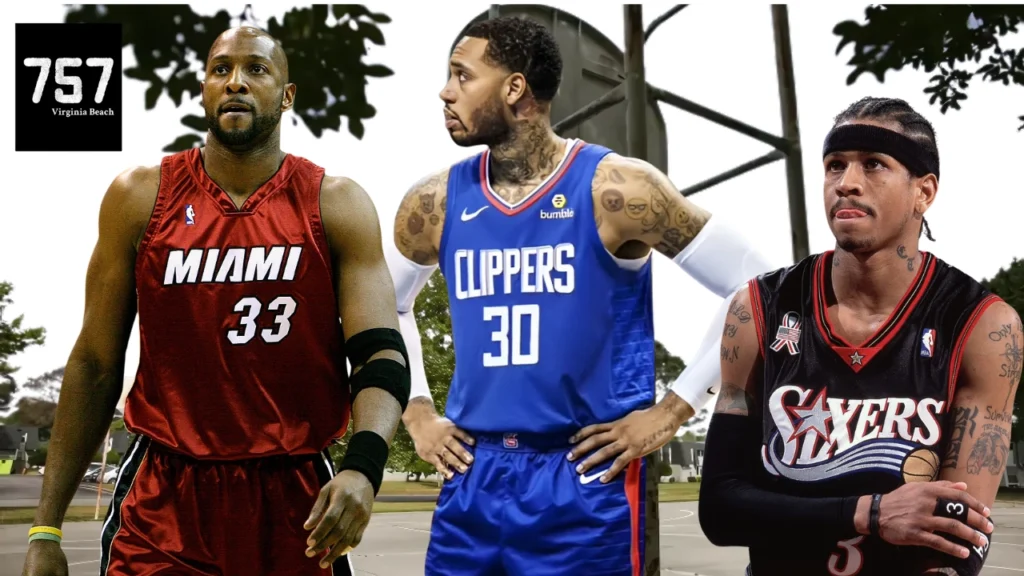
I grew up in Chesapeake, Virginia. The area I’m from is called “Tidewater” or “757.” It’s a place full of athletes: Allen Iverson, Mike Vick, Alonzo Mourning, Justin & BJ Upton, DeAngelo Hall, and myself are just a few. My apologies to the many others I missed — the list is long. Growing up there, sports were everything. I ran track and played basketball.
2. How would you describe your college years and the impact Virginia had on preparing you for the next level?
My first couple of years weren’t much, honestly. I knew I had some talent and skill, but I didn’t take the game seriously enough. Looking back, I should have spent more time in the gym.
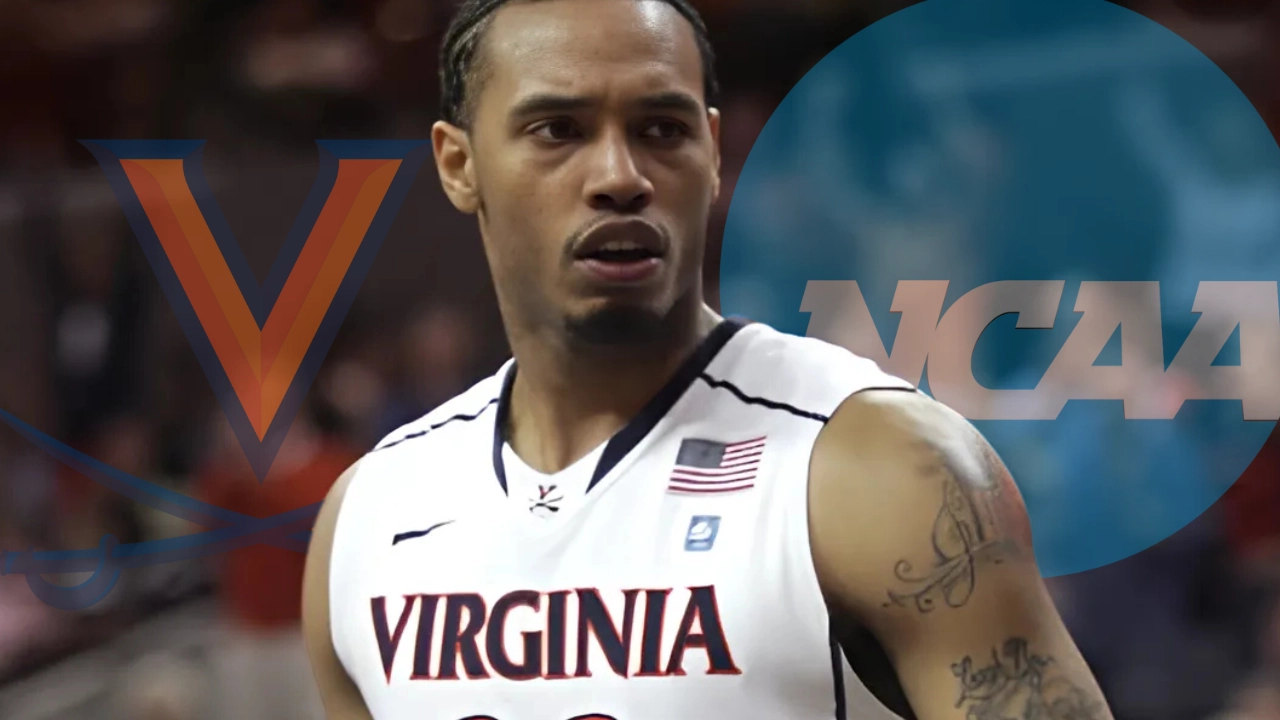
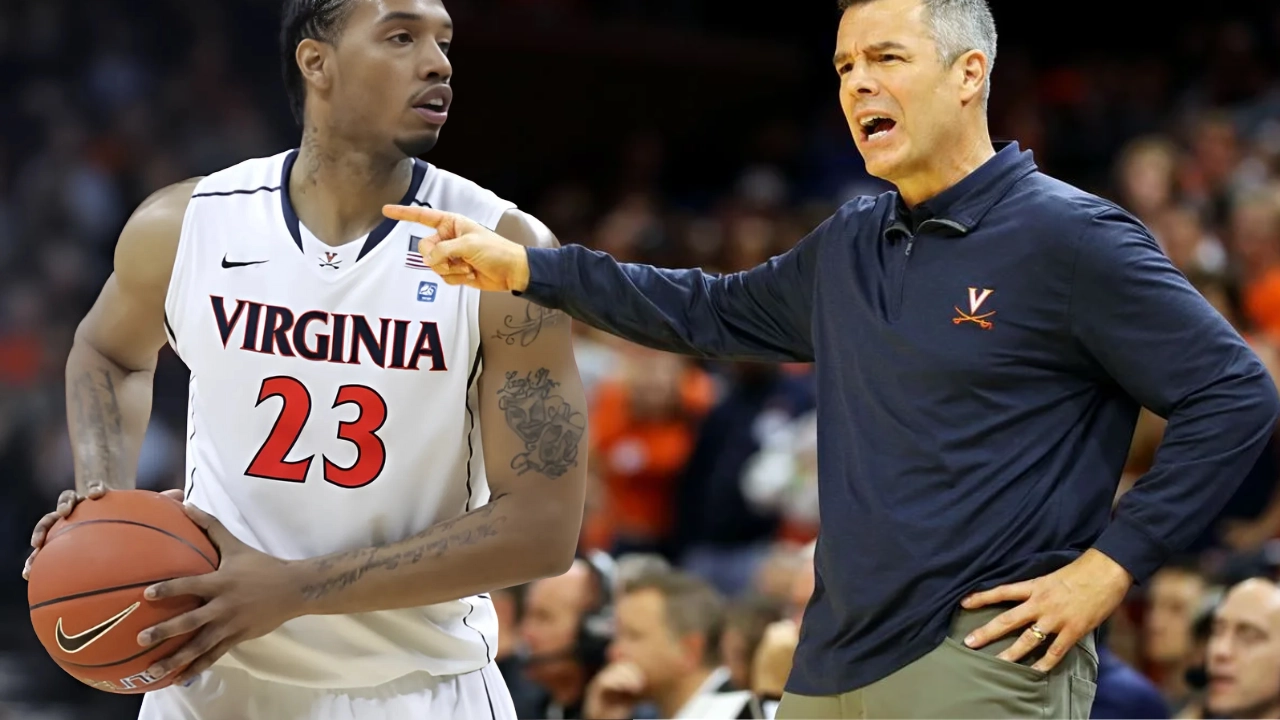
Everything changed when Tony Bennett and his staff arrived my junior year. That’s when I realized I could actually go professional and make the NBA. As a kid, the NBA was always the dream, but with that staff, the dream felt attainable.
My senior year I made some noise nationally and started to get recognition, but it was cut short by an ankle injury that required surgery. That put me out for a year, but I was allowed to come back for a 5th year. That extra year is when I really showcased my skills and hard work. I earned First-Team All-ACC and Third-Team All-American.
Before the NBA Draft, I focused on expanding my game. I had always relied on my midrange jumper, but as an undersized PF at 6’8, I needed to separate myself. So I worked on shooting threes and ball handling. That summer I trained for the NBA Combine, worked out for about 20 NBA teams, and got into the best shape of my life — showing that I could stretch the floor and handle the ball.
NBA Draft & Early Career
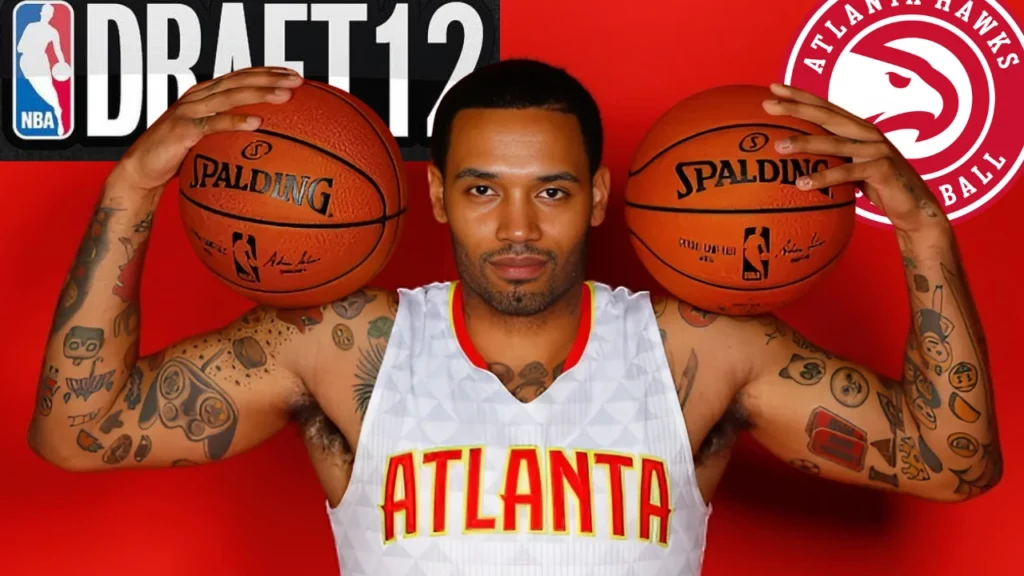
3. What was it like to hear your name called on draft night by the Atlanta Hawks — what emotions were running through you in that moment?
June 20, 2012 — I was back home in Virginia with close family and friends. Nothing crazy, no big party. Just my people. My agent said I could be late first round or early second. That draft felt like it took forever, lol.
Finally, 2nd Round, Pick 13, my name was called. Coach Larry Drew called me to let me know I was a Hawk. Hearing my name and seeing my people celebrate meant everything. Coming from Chesapeake, VA, you don’t see many guys make the NBA.
4. Looking back, how would you describe your first steps into the NBA and the adjustment to the league?
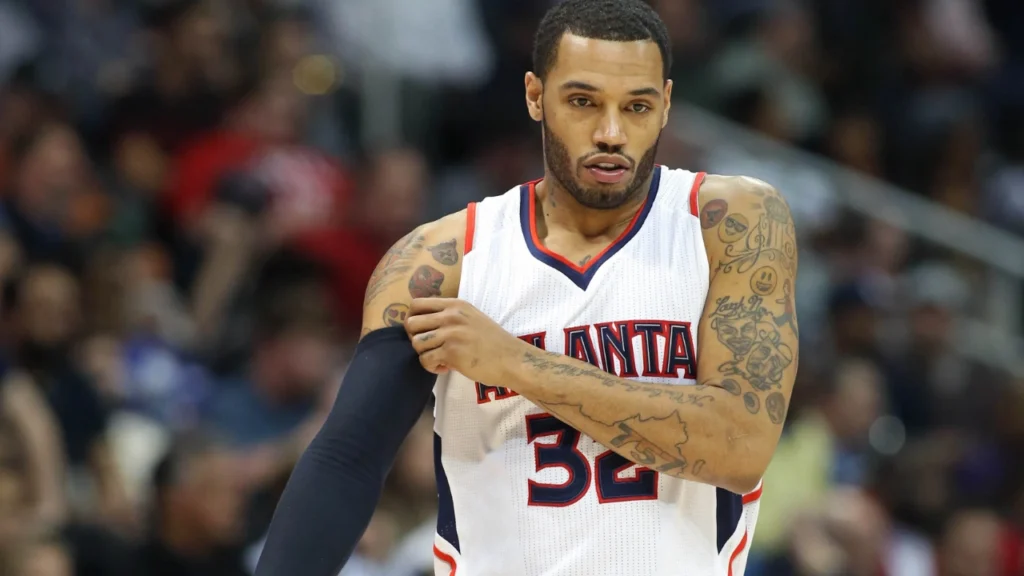
It was a learning experience for sure. In college, I averaged 20 and got touches every night. In the league, my first 20–25 games were straight DNPs. I was heated, lol. I thought I’d be playing 25 minutes a night as a rookie.
John Jenkins and I worked our asses off every day. Even off days. For rookies, there’s no such thing as “optional.” Nick Van Exel, our development coach, stayed in our ears: stay ready, stay in shape, don’t get discouraged.
You’ve got to pay your dues, especially on a playoff team with vets. We had Josh Smith, Al Horford, Jeff Teague, Kyle Korver, Zaza Pachulia, Lou Williams, Ivan Johnson, DeShawn Stevenson, Anthony Morrow, Devin Harris — just to name a few. I was on the bench, no doubt. The NBA was much faster than college, and everyone was strong and athletic. In college, I could bully guys. In the league? Not happening. Everyone was strong.
NBA & G League Experience
5. During your career, you also spent time in the G League — how did that affect your mentality? Did it motivate you or leave you questioning your path?
Around November or December, my agent asked me if I wanted to go down to the D-League. I said, “Hell yeah!” I just wanted to hoop. It didn’t discourage me at all — I knew I’d get reps and big minutes.
Our affiliate was the Bakersfield Jam, all the way in California. I went there, locked in, and got straight to it. Honestly, I really enjoyed it. It gave me the chance to play more, get into rhythm, and focus on my game.
6. You made it back to the NBA and stayed for 8 years — how would you describe that stretch of your career?
I stayed with Hawks about 5 seasons. My role grew as I got older and my three-point shot became consistent. Scouting reports said “stretch 4, make him dribble,” so I had to keep improving my handle and scoring against smaller defenders.
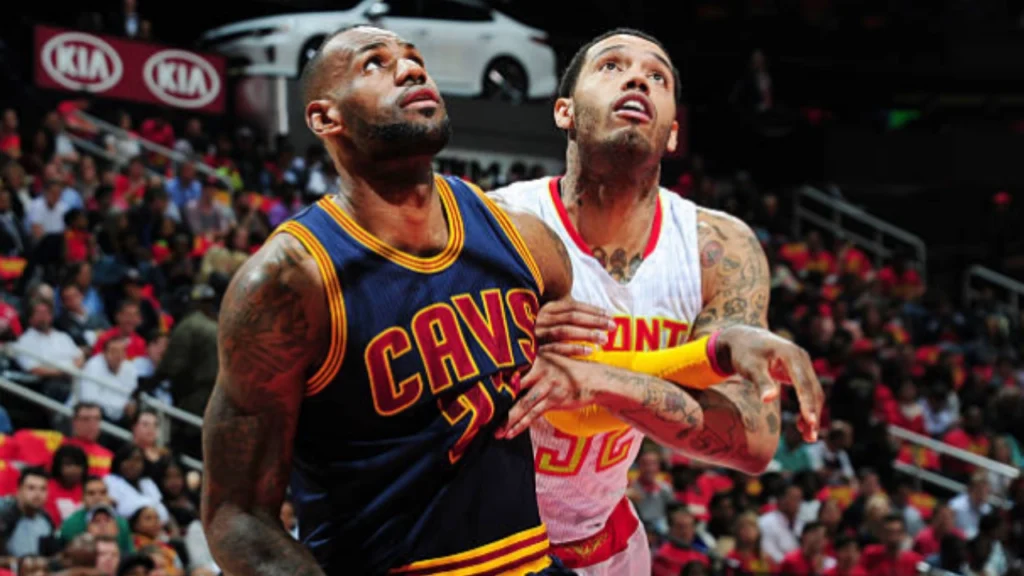
In 2016, we had the #1 seed in the East, four All-Stars, and made the conference finals — but we couldn’t stop #23, lol. Bron swept us.
7. Is there anything you would have done differently during that time to extend your NBA career even further?
No, nothing. I got traded the next season and was battling a knee injury. My time in Atlanta was up.
8. Who was the toughest player you ever had to guard, and why?
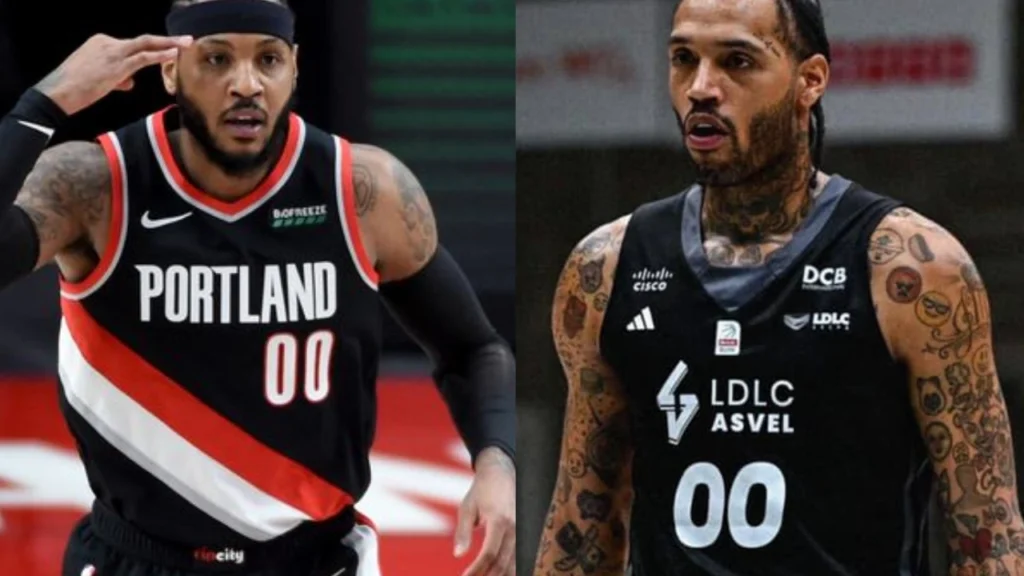
Melo. Hands down, not even close. Pick your poison: crowd him and he’s by you with a quick first step; give him space and he’s knocking down jumpers. Midrange or three, didn’t matter. He was too strong and versatile. One of the best scorers ever. He’s the reason I wore #00 at the end of my career.
9. On the flip side, which player did you most enjoy competing against?
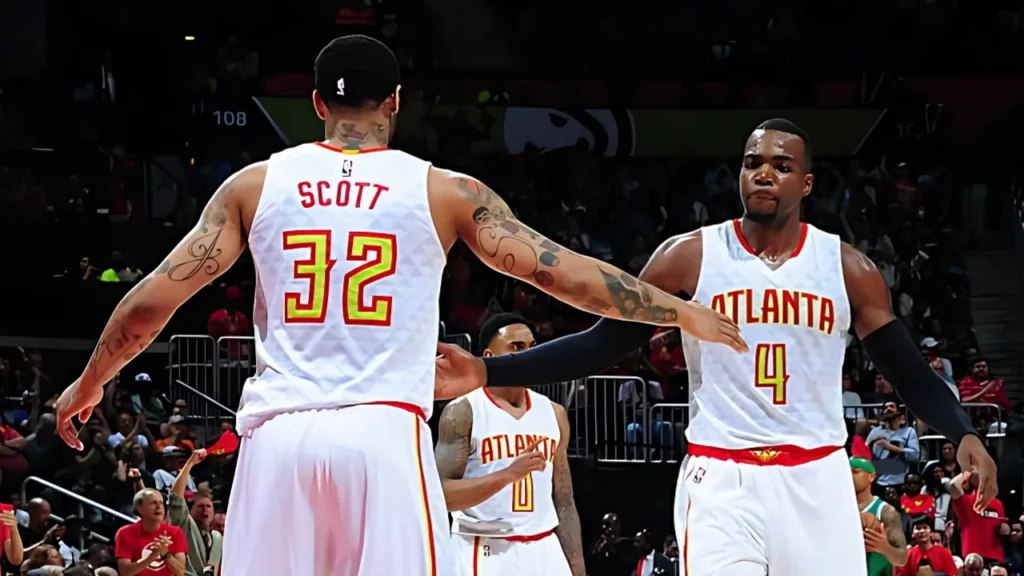
Paul Millsap. Super underrated. Efficient, strong, sneaky athletic — and he gave me buckets in practice too, lol. He doesn’t do anything outside his game, but everything inside it he does at a high level. One of my favorite teammates.
10. You had the chance to match up with legends like Kobe Bryant and LeBron James — what was it like switching onto or guarding players of that caliber in real time?
I only played against Kobe once in Atlanta, maybe my 2nd or 3rd year. Lakers fans travel deep — it felt like Staples Center in Atlanta. The respect for him was unreal.
As for LeBron, I faced him a lot in Miami and Cleveland. His second stint in Cleveland was his best. He had it all: elite athleticism, post game, jumper, IQ. Plus, coming back from 3–1 in the Finals? Crazy. No matter who your GOAT is, you can’t deny his longevity and consistency.
Overseas Career (Europe & Puerto Rico)
11. After the NBA, you went to Europe and Puerto Rico — was it a shock to transition from the best league in the world to overseas basketball?
After the NBA, I went to Nancy, France. It was definitely different, but only from a cultural standpoint. At the end of the day, it’s still basketball, and that’s something we can all relate to so honestly, it wasn’t a huge shock. What did surprise me a bit was how many people spoke English there.
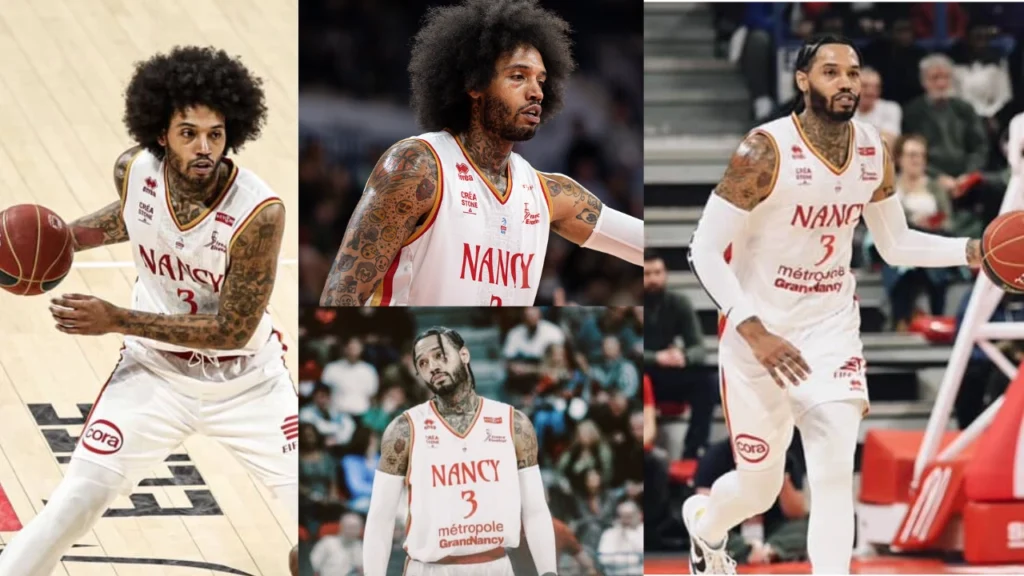
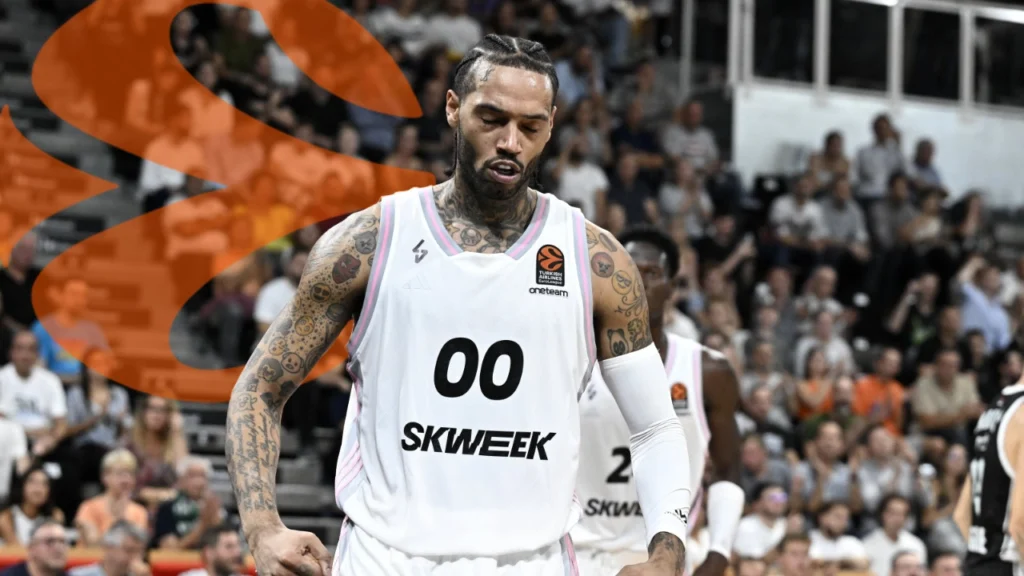
My second year was in Lyon, France, playing for ASVEL in the EuroLeague, a club owned by Tony Parker. That was my first time in EuroLeague, and I really enjoyed traveling around Europe to countries I’d never been to before. That was the best part for me. The level of basketball was also much higher. In EuroLeague, it’s not about the individual star, it’s about the complete team. Obviously, you have standout players, but for real success, you need the best team. We didn’t do well in EuroLeague that year, but in the French League we made the Final Four and lost to a very good Paris team.
Looking back, I wish I’d gone overseas earlier in my career. At the time, I only knew NBA, but knowing what I know now, I definitely would have considered EuroLeague sooner.
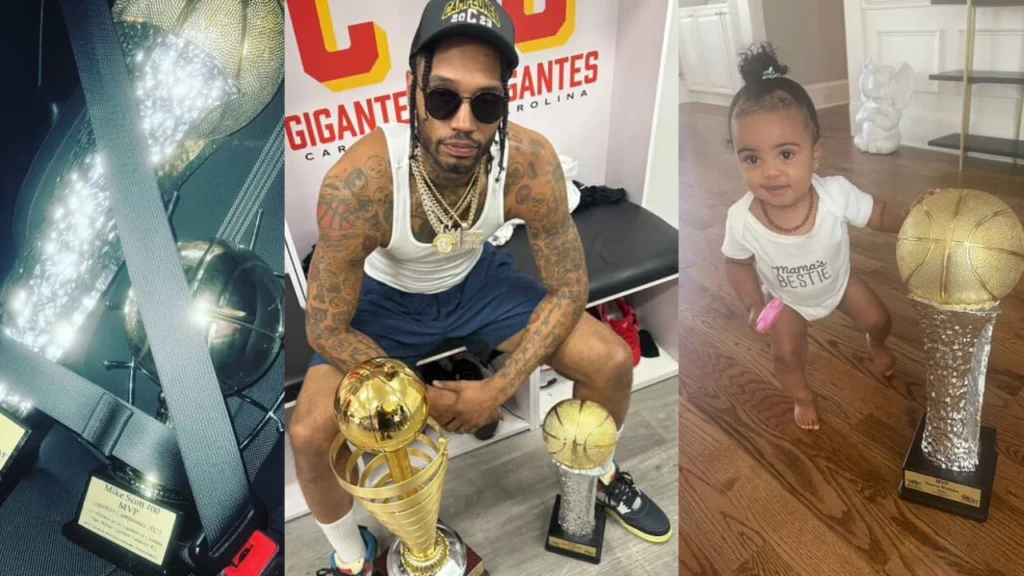
Puerto Rico came as a surprise. After my first season in Nancy, my agent asked if I wanted to play during the summer. This was 2023, after a long French League season, and I was hesitant. I wanted to go back home, spend time with my family, and enjoy the offseason. But I said sure. I’d never been to PR and had seen clips online of how intense the league was, so I was intrigued.
We ended up winning the championship, and I won Finals MVP. That was the first time I had ever won a championship in basketball, so it meant a lot. It also gave me a lot of exposure. I really enjoyed the overseas game because I got to play my game. In the NBA, roles are defined — guys making the big money take the big shots and play the big minutes. In Europe and Puerto Rico, I was that guy, and I loved it.
Reflections & Future
12. What are your goals at this current stage of your career?
I always wanted to get into coaching and player development. The NBA changes every year — stretch 4s are now regular. I feel I can help players develop that skill set: shooting, balance, footwork. And also teach them lessons off the court.
Advice & Perspective
13. What advice would you give to young players who dream of playing professionally, whether in the NBA or overseas?
Work your ass off. Coaches say it all the time, but it’s true. This game ends fast, and you don’t want regrets. Be consistent, write down your short-term and long-term goals, and believe in them. I’m proof you can make it from anywhere if you stay locked in.

14. Finally, give us your “hot take” — what’s one honest opinion you have about the NBA compared to European basketball?
(Laughs) I heard a coach say, “If you take the superstars off NBA teams, EuroLeague teams would win.” My response? “If my aunt had a d**, she’d be my uncle.”* That’s my hot take.
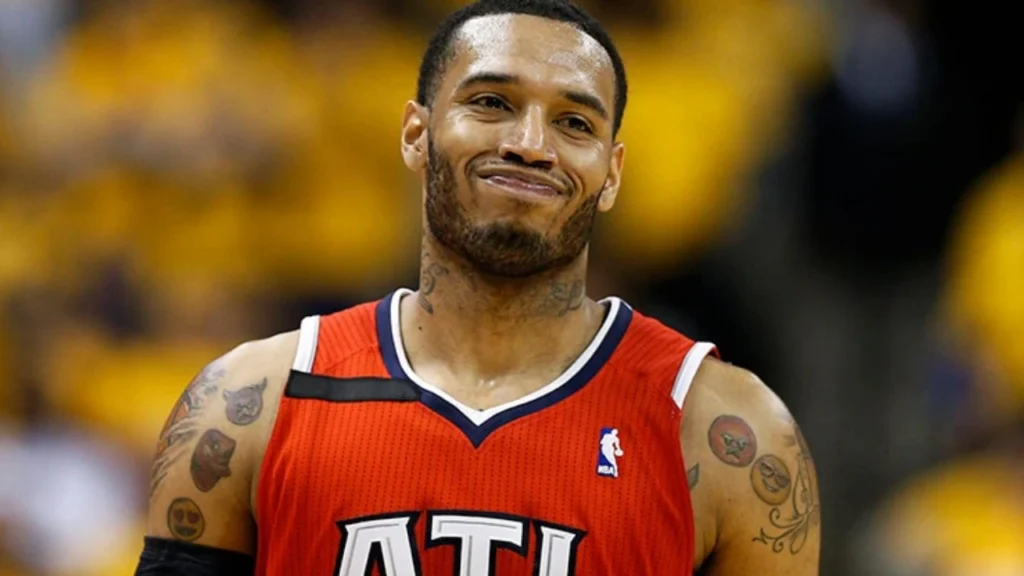
Mike Scott’s career captures the reality of professional basketball — the thrill of being drafted, the grind of staying in the NBA, the unforgettable challenge of guarding elite players, and the adjustment of playing overseas. Through it all, Scott has carried the mentality of a competitor, and his story offers valuable perspective for players aiming to succeed at any level of the game.