

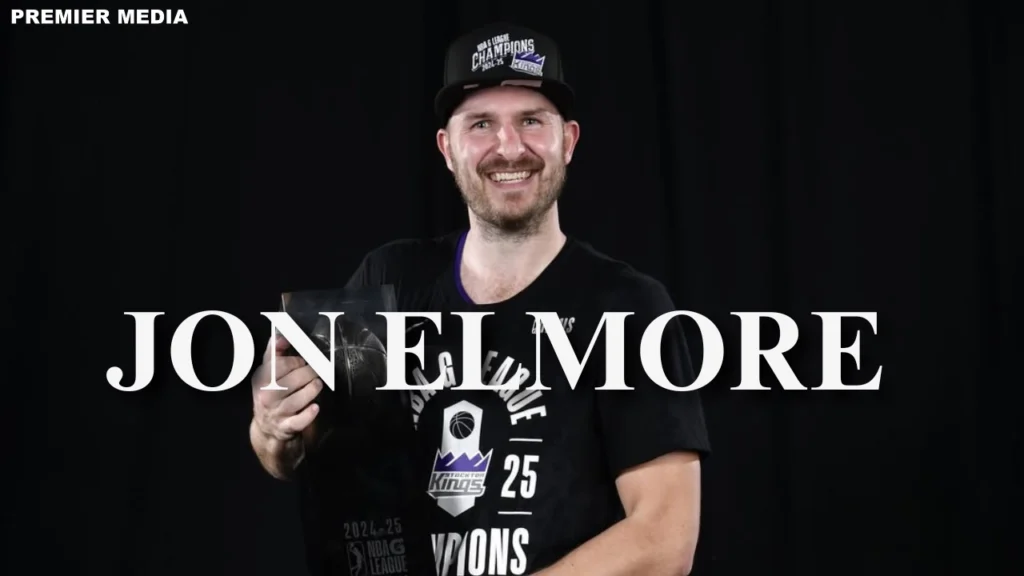
Jon Elmore’s basketball journey has taken him from record-setting years at Marshall University to the a professional career overseas and NBA G League where he is still making his mark. Known for his scoring ability, leadership, and relentless work ethic, he has carved out a path that reflects both talent and determination.
In this interview, Elmore opens up about his early years, college career, chasing the NBA dream, experiences playing abroad, and the lessons he’s learned along the way. He also shares advice for young players and his vision for the future.
Early Years
1. How did you first get introduced to basketball, and what role did your family and hometown play in shaping your love for the game?
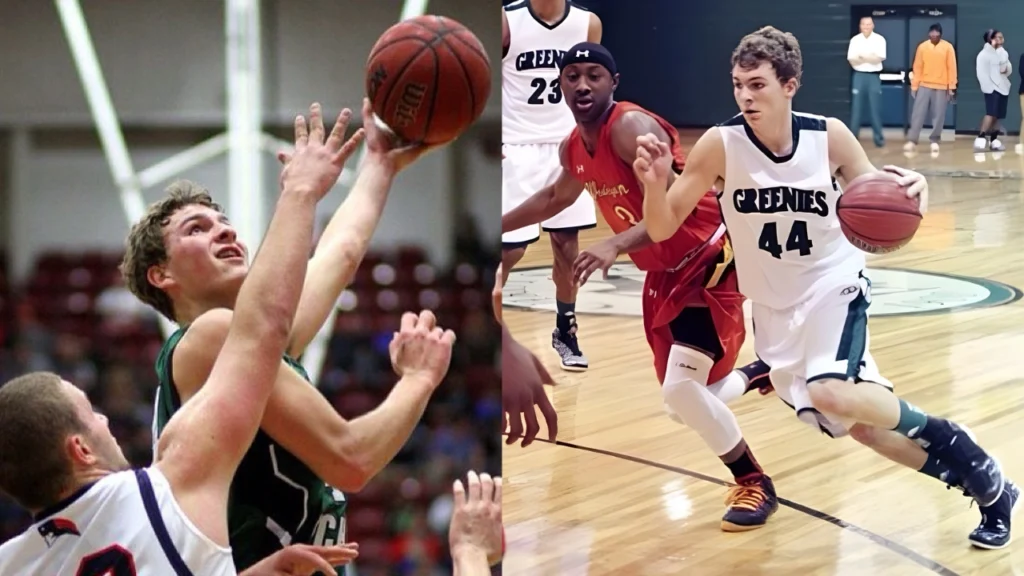
For as long as I can remember I’ve had a ball in my hands. My grandfather played at West Virginia University, my dad played at VMI (Virginia Military Institute) and was drafted by the Bucks in the late 80s, and my brother played Division I as well. Hooping was something I fell in love with at a very early age.
2. Who were some of your earliest influences or role models that pushed you to take basketball seriously?
My family had to be the biggest influence and role models. From the very beginning they always tried to help me and put me in positions to be successful. It was never “hey, you’re going to the gym today,” it was always “if you want to be in the gym, we will be in there with you.” Having that type of support system from a young age was the foundation for everything.
College Career at Marshall
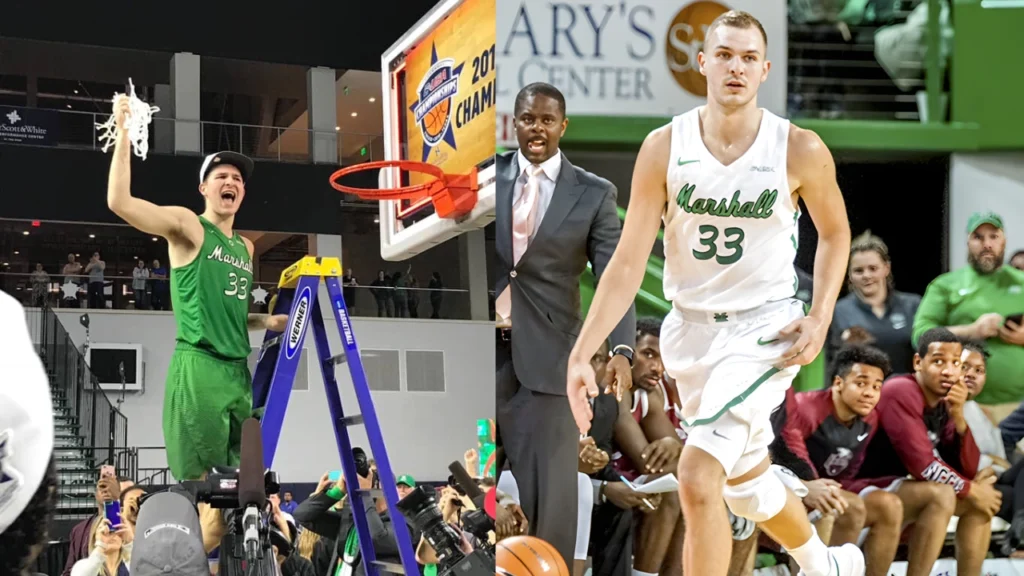
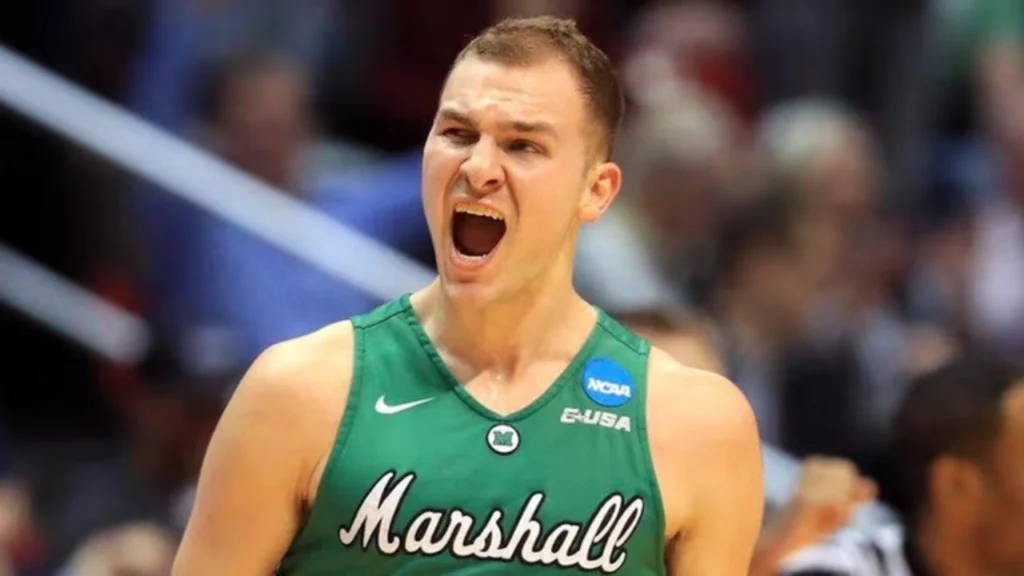
3. At Marshall, you had a historic career and set multiple records. What did representing your school and state mean to you personally?
From Day 1, my college coach Dan D’Antoni (Mike D’Antoni’s older brother) always preached about the journey and not the destination. It was about the process and who was riding in the car with you on your way. The chance to play at a Division I school 45 minutes from where I grew up, in the state I grew up, was something I could never take for granted.
4. What were the biggest challenges you faced in college basketball, and how did they prepare you for the professional level?
The biggest challenge I faced in college hoops was learning to move on. Make a bad play — move on. Have a bad game — move on. So often I would find myself in dark places after games when things didn’t go according to plan. Learning this ultimately made the process and the seasons more enjoyable, but until you learn it, the season can be a very dark place.
G League & NBA Path
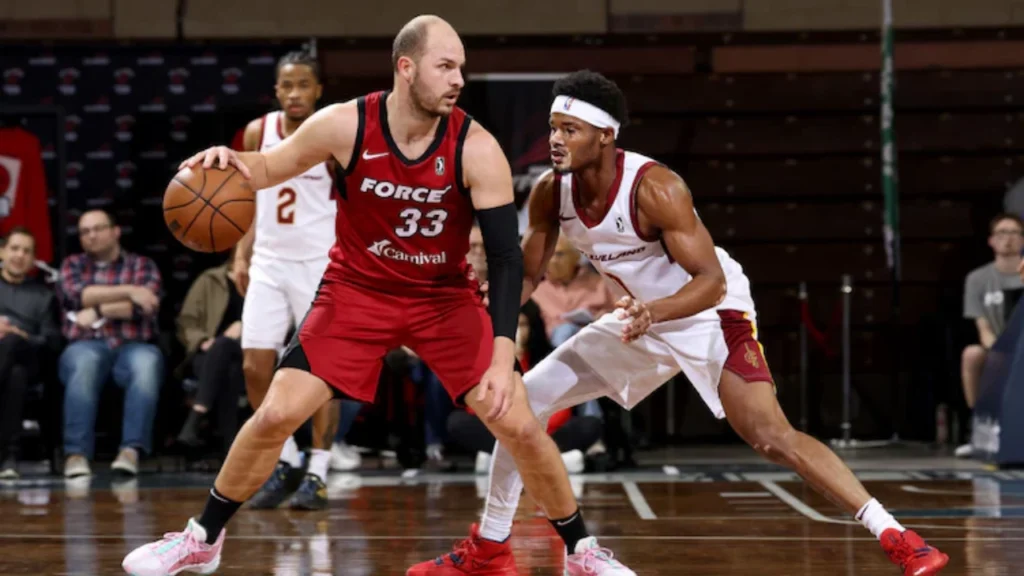
5. You had a chance to play in the G League — how would you describe the competition level there compared to college and overseas basketball?
The G League is a rollercoaster. I’ve played in some major leagues in Europe and spent my first three years out of college playing overseas. The last three years have been in the G League. There’s high-level hoops all over the world. I’ve seen guys playing in Europe who 100% deserve NBA looks and are that talented. I’ve seen G League guys who have never received a call-up but are 100% good enough to play in the NBA. A lot of it is situational, a lot of it is luck, and a lot of it is finding one team or organization that will give you a chance. Guys can make big-time money overseas now, so many move on or skip the G League route — and you can’t blame them. Others hold on to the NBA dream and take less money to keep pursuing the league. Each person’s story and “why” is different.
6. The G League is often seen as a stepping stone to the NBA. What did that experience teach you about what it takes to reach and stay at the highest level?
The G League teaches you the level of professionalism required if you ever do make the NBA. You could be the starting PG on your G League team, then an NBA player gets assigned on a rehab or developmental stint, and you might not play a single second. Do you lose your mind, request a trade, or quit because things didn’t go your way? Or do you go back to work — because he might not play the next game and you’re back starting again. It’s a daily rollercoaster in the G League. The question is: are you professional enough to be ready when your number is called?
7. Did you feel you were close to making an NBA roster at any point, and how did you handle the pressure of chasing that dream?
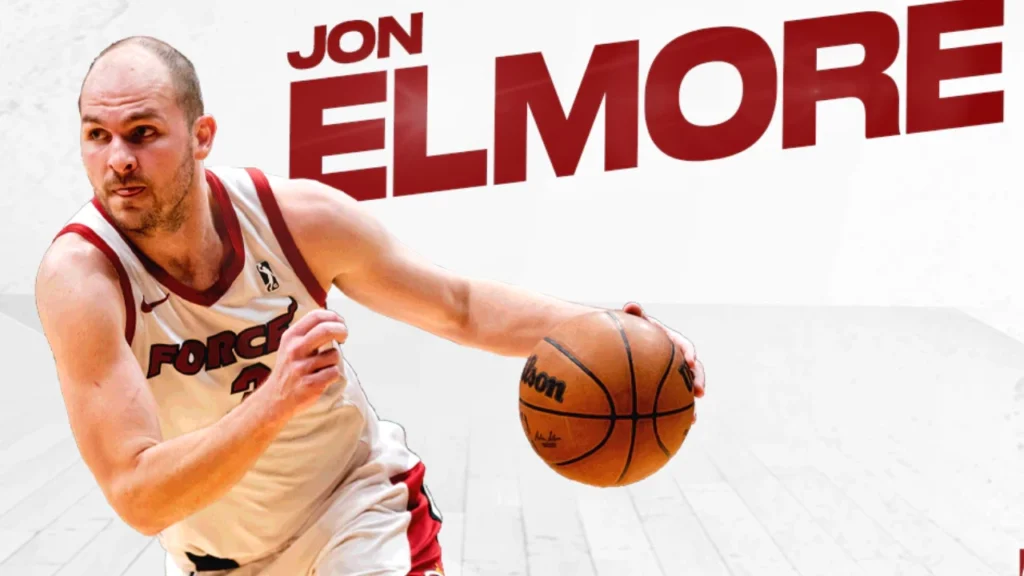
The thing is — you really never know. In the G League, one good month and your life could change. If the NBA team has a couple injuries, guys in the G get call-ups. You legit never know how close you are. All you can do is grind, produce, and do it again and again — and hope that’s enough.
Transition to Professional Basketball Overseas
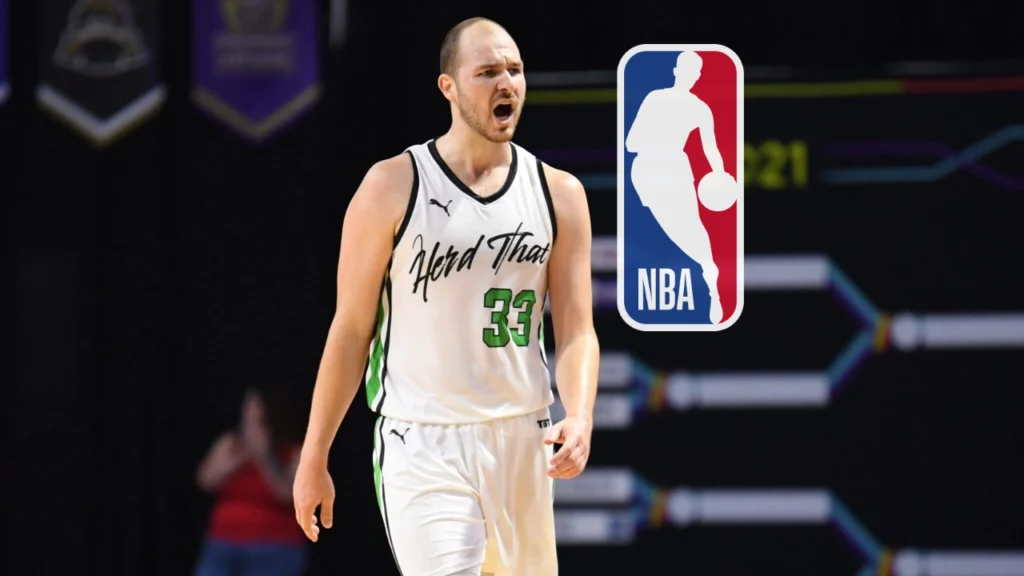
8. After Marshall University you moved across the waters, what was the process like transitioning into a professional career overseas?
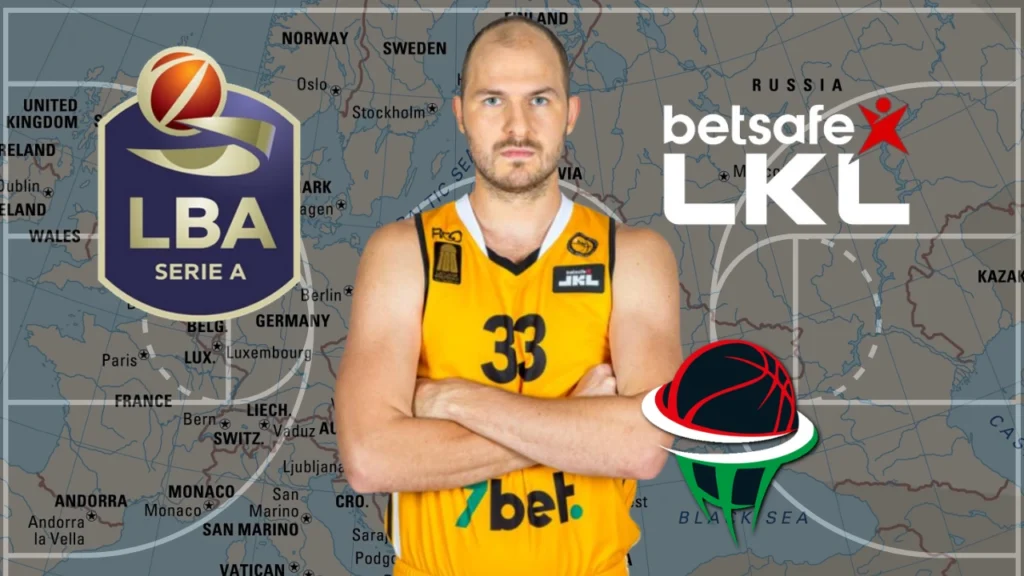
I did my first three years out of Marshall in Europe. If you can fight through the homesickness that hits you from Day 1 — and you love to hoop — you can make it anywhere. I played in Italy, Greece, Hungary, and Lithuania. After my last season in Lithuania, it opened a door to go to Miami and work out with the Heat. I ended up receiving an Exhibit 10 deal to play in the G League.
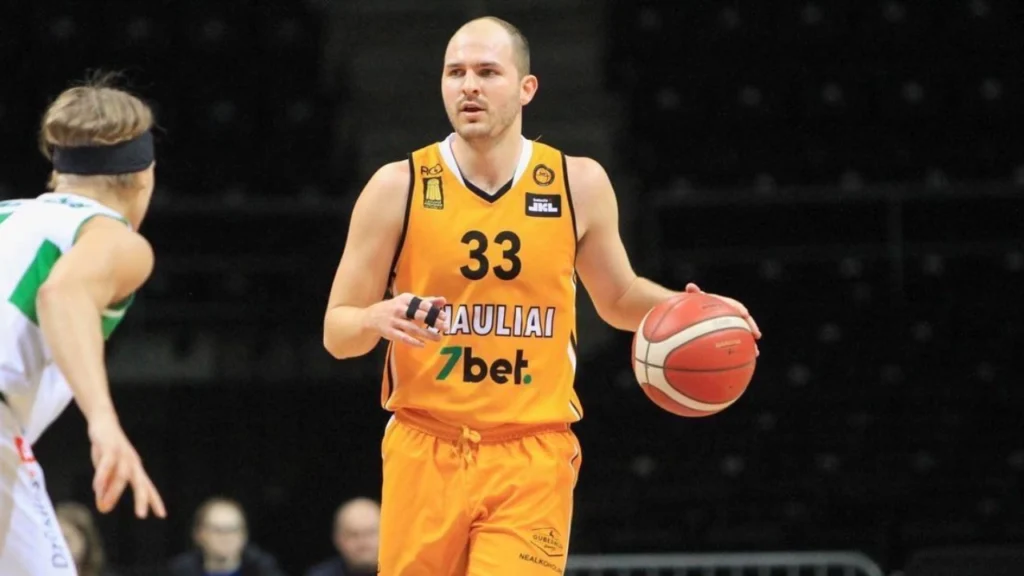
9. What were the biggest differences you noticed right away between college basketball in the U.S. and the professional game abroad?
The physicality overseas. The U.S. game is much more athletic and run-and-gun. In Europe, there are more play calls and a more methodical, tactical approach.
Playing Overseas
10. You’ve played in multiple countries — what was the biggest adjustment, both on and off the court, when you first moved abroad?
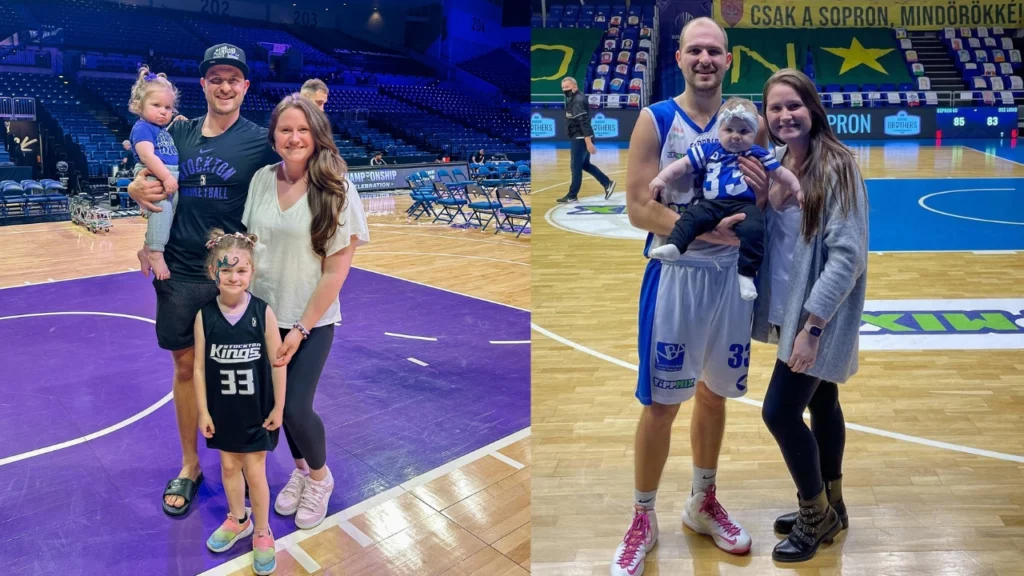
The 10-month season. You’re away from friends and family for the majority of the year. The level of buy-in required is something you have to learn as you go. It goes back to my college coach’s advice: enjoy the process of the journey rather than only looking at the final destination.
11. What has been your most memorable experience playing overseas so far?
There isn’t just one. It’s the collective idea that I get to play basketball for a living. The ball has allowed me and my family to travel all over the world and get paid to hoop.
12. How has living in different cultures shaped you as both a player and a person?
It teaches you to find a way. Sometimes you’re in cultures, places, or situations you never planned for. Can you figure it out and keep moving forward?
Reflections on the Game
13. Looking back, what do you think are the strongest parts of your game, and what areas have you had to work on the most at the pro level?
I think the strongest part of my game is the ability to make my teammates better. As a point guard, one of the main requirements is to lead. I’ve always tried to stand out by putting my teammates in advantageous positions and doing whatever it takes to win.
14. What do you love most about being a professional basketball player, and what’s the hardest part of the job?
The hardest part is that it’s a business — and you’re not the one in charge. Someone behind the scenes is giving the contracts, call-ups, signing the checks, building the roster, and coaching the team. You usually aren’t in control. But you have to be professional. Control what you can control and stay positive no matter what’s thrown at you.
15. If you could go back and do one thing differently in your basketball journey, what would it be?
I wouldn’t change a thing. I’m not a “what-if” guy. The journey molds you — the wins, the losses, the ups, the downs. You can’t go without those. But you can wake up the next day and get back to work.
16. What advice would you give to players grinding in the G League right now, hoping for that NBA opportunity?
Keep going. I can live with falling short if I left it all out there. But quitting — and living with “what if” — is something I can’t do.
Advice & Future Goals
17. What are your goals moving forward, both in basketball and beyond the court?
The goal is to keep grinding. I’m going into year seven of pro hoops and still feel great. I enjoy the process daily and want to keep the ball bouncing. When the ball does stop, I want to coach hoops at a high level.
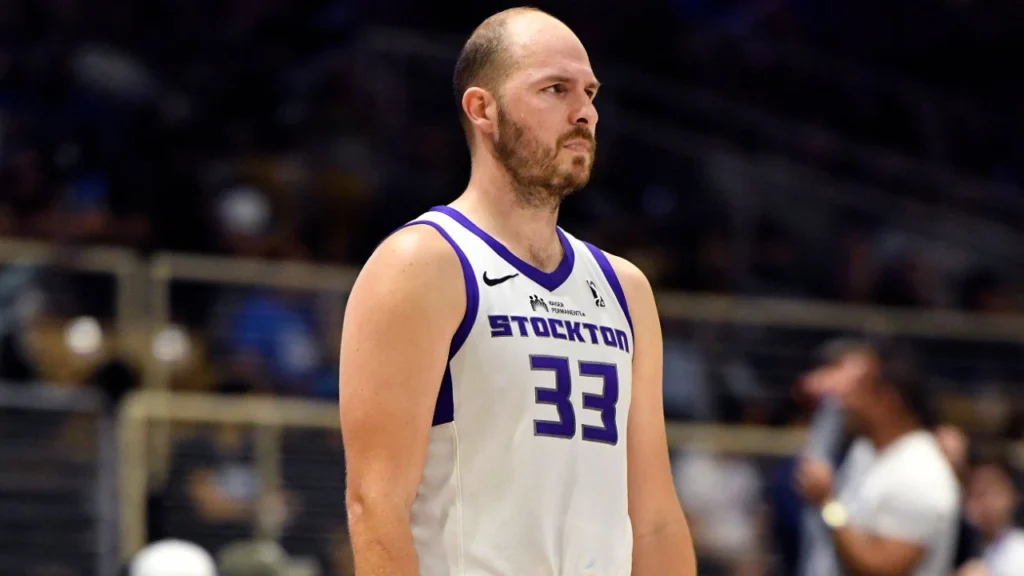
Jon Elmore’s career shows how many paths the game of basketball can offer. From breaking records at Marshall to chasing the NBA dream in the G League, and now building his career overseas, he has embraced every challenge along the way. As he looks ahead, Elmore remains focused on growth, competition, and inspiring younger players to pursue their own journeys — wherever basketball may take them.