


From his college days at Michigan to winning the NBA Slam Dunk Contest and competing across multiple NBA teams, Glenn Robinson III built a name as an explosive athlete and reliable contributor. Today, he’s continuing his basketball journey overseas, embracing a new chapter while carrying the experiences of playing at the highest level.
In this interview with Premier Media, Robinson reflects on his NBA career, his move abroad, and the lessons he’s learned both on and off the court.
1. How would you describe your playing style, and what part of your game do you take the most pride in?
Ever since I was a kid, I always wanted to be extremely athletic while playing both ends of the court. So I would say I take the most pride in being able to a bit of everything on the court, especially 3/D in today’s era of basketball. I would describe my play style as an athletic shooting wing, that can defend on a high level with the ability to make highlight plays for the fans.
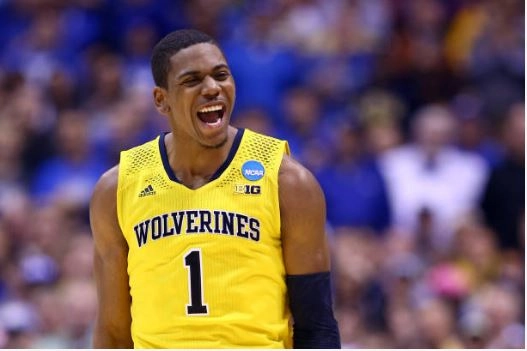
2. Your father, Glenn Robinson, was an NBA All-Star. How did growing up with a famous basketball dad shape your path?
Growing up I felt the pressure of having a superstar father. I also had the exact same name as him so there wasn’t any hiding it. I struggled growing up because I wasn’t the best basketball player by far until I hit middle school and high school. Everyday because of my name I got everyone’s best game.
On the other side of things I grew up appreciating the fact that I was around the game so much. I didn’t really realize my father was such a star. Being the #1 and overall pick in the 94’ draft, if there was social media back then I truly believe his stardom would be of the caliber of Lebron, Zion, Blake Griffin etc. I also got a chance to not only be around other great NBA players like Allen Iverson, Ray Allen and Michael Jordan, but I’ve never been phased by the lifestyles and money that professional basketball players might receive. I was able to take my journey in as a process and enjoy the fruits of my labor.
Also I’ve always been very grateful for the advice that my father gives me, he’s been through almost everything that I have and will endure. The time and conversations with him still remain priceless and I grew up understanding it was very rare to receive that. I also appreciate that my dad never put pressure on me to play basketball or to be like him. I’m just his son following my own footsteps with his lead by my side.
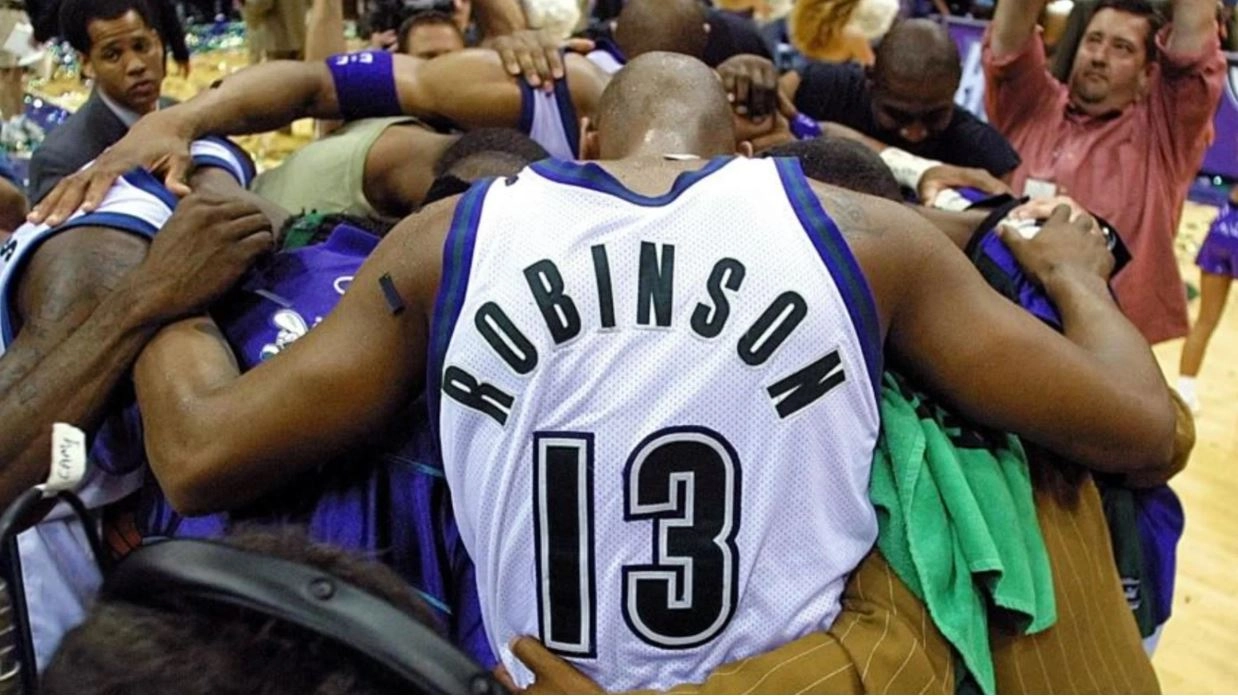
3. What’s been your toughest moment as a professional, and how did you overcome it?
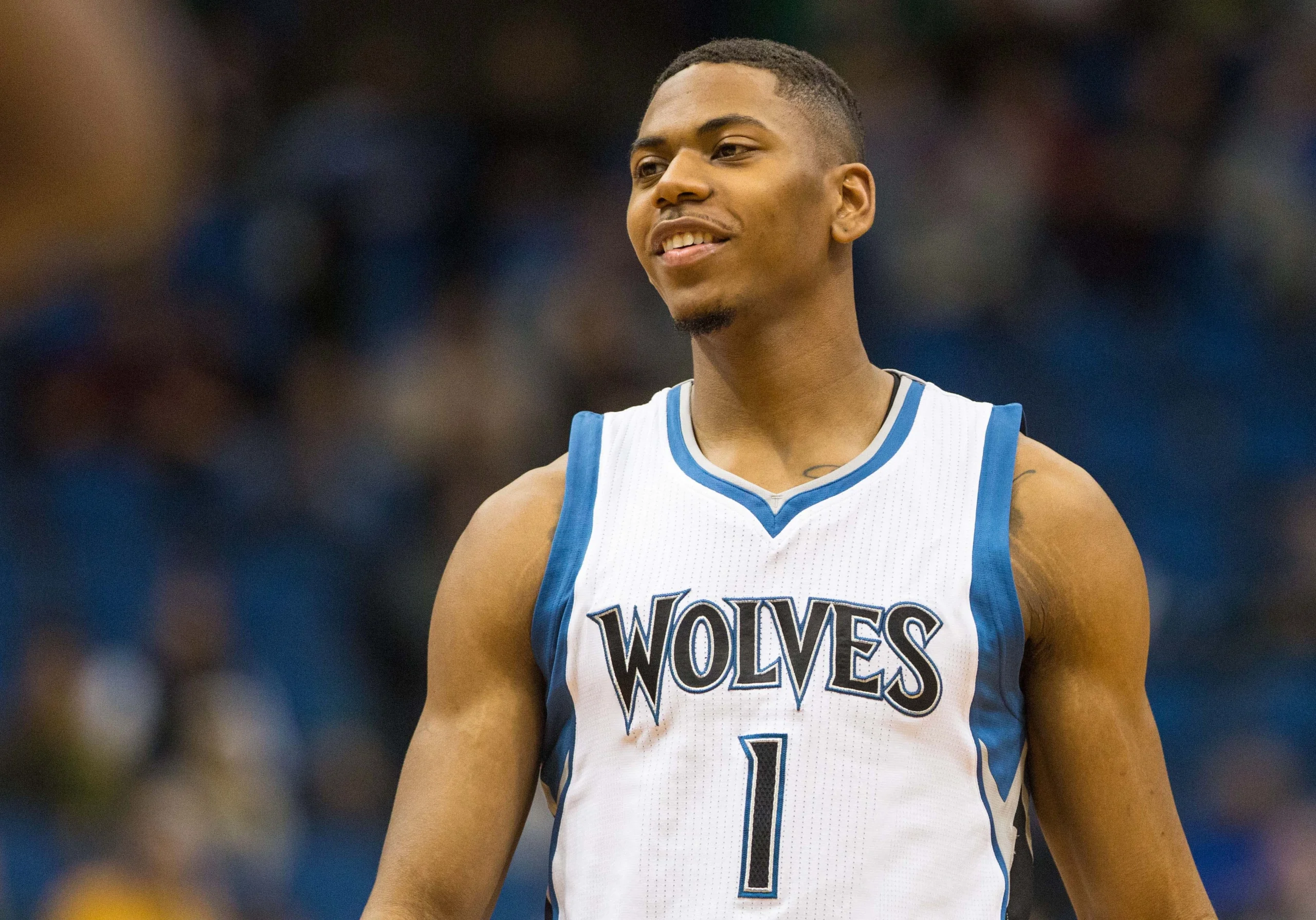
My toughest moment playing basketball probably was my rookie year. I got drafted #40 overall in the 2013 draft to the Minnesota Timberwolves . At that time when I was drafted, it was just two of us rookies. The #2 pick Zach Lavine and myself at #40. Sure enough after the big LeBron trade went down. Sending LeBron back to Cleveland from Miami, that meant Andrew Wiggins the #1 pick of the 2013 draft would be coming to Minnesota. That put me at the end of the bench. We had a roster full of wings with a bunch of vets ahead of me as well. I didn’t dress for the first 50 games of the season and I just worked out every single day with not much to show for it at the time. I was in a suit and tie behind the bench just watching. I was very fortunate to have some great coaches and vets who understood if I continued to work it would only be a matter of time before I got an opportunity. It was tough for me to handle being a star in HS and college. Eventually it all worked out and although I was released at the end of that season. Philly picked me up during the “Process” times in the waivers and I was able to showcase my abilities to end that season, leading to my deal with the Indiana Pacers.
4. What motivated your decision to continue your basketball career in South Korea?
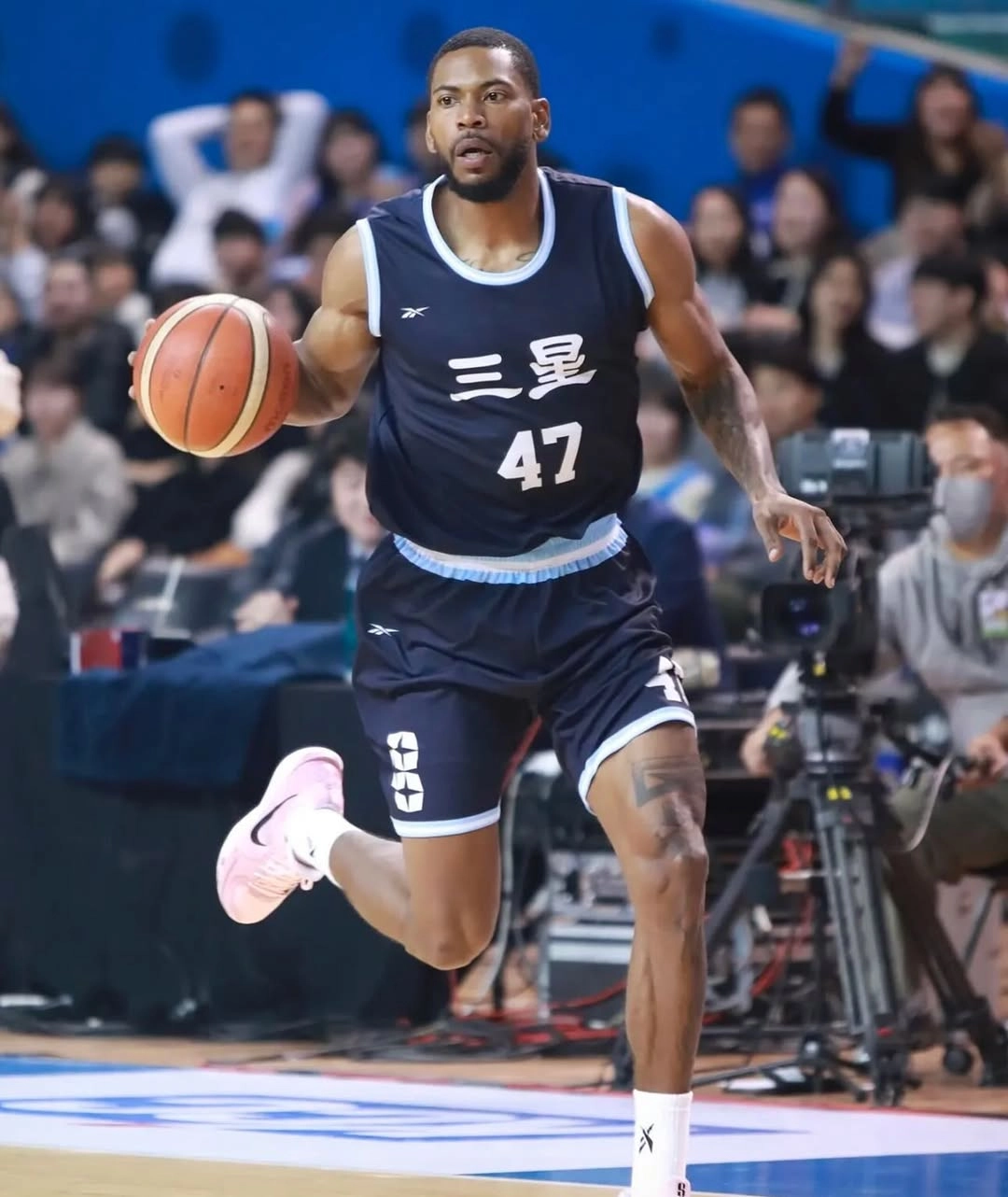
I always felt like my playing days weren’t over. I’m still blessed with the ability and healthy body to continue playing and I took the opportunity to exhaust all options with the NBA for a comeback by summer workouts and tryouts with teams the year before as well as a year in the G league. Although I was close to getting a few call-ups it didn’t happen. So I decided to play initially in the Philippines the beginning of last year. After that the Samsung Thunders in South Korea called asking me to come in to finish the season with them. I had no idea what it would be like since I hadn’t played overseas before, but the opportunity to travel the world and still do the job I loved was hard to pass up. I’m glad I did it because for the first time since high school I was able to play completely free with nothing to lose.
5. How has the level of competition and style of play in the KBL (Korean Basketball League) compared to the NBA or G League?
The level of play has been different overseas. Mostly the speed of the game and 40 minutes vs 48 minutes. The first question people ask me about the KBL is, are they tall over there? Or is the competition good? My answer is always yes, you’d be surprised by the IQ levels overseas and the toughness of the players and refs. There are no touchy fouls or complaining. At the same time every team expects certain things out of imports they are bringing in so there is some pressure but if you believe in your game and why you are there it will all work out. Just like the NBA maybe every team or every country isn’t for you so doing your homework on the country is very important. However, each destination has something to offer for me. In Korea I learned a lot about my game and other styles of play. I did find it to be a lot of fun being “the guy” who the team relied on most. My mind was right in Korea and I was able to showcase my talent at a high level and gain a whole new following in a place I never imagined. I’ll always have a special place in my heart for the teammates, fans and management in the KBL.
6. Do you see this move as a short chapter, or is international basketball something you want to explore more deeply long-term?
I think I’ll know when it’s time to retire, at only 31 I feel as if I have more in the tank for not just myself but for my family. I still have goals which are important for anyone who want to accomplish things at a high level and I see basketball as a ticket for not only the present but for my future. I have a lot to offer to my community and the world off the court as well as on the court and through basketball I believe it can be accomplished. I started my foundation in 2020 while playing with the Warriors, the ARI Foundation. Named after my daughter Ariana to help fathers and my community by providing help and services to break the fatherhood stereotypes and show others just how important it is to be involved in children’s lives. I also love to inspire others to follow their dreams and accomplish high level priorities. I know my work is nowhere near done and I am continuing to make an impact on younger generations as well as older generations.
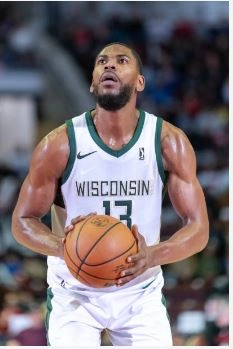
7. What’s something fans might not know about you that would surprise them?
Something that fans might not know about me is that I was born prematurely by 3 months and that I weighed only 3lbs 4oz/1.4kgs. The odds of me making it, let alone being a 6’6” professional athlete was very slim. So I like to tell others that there will always be hope through faith!
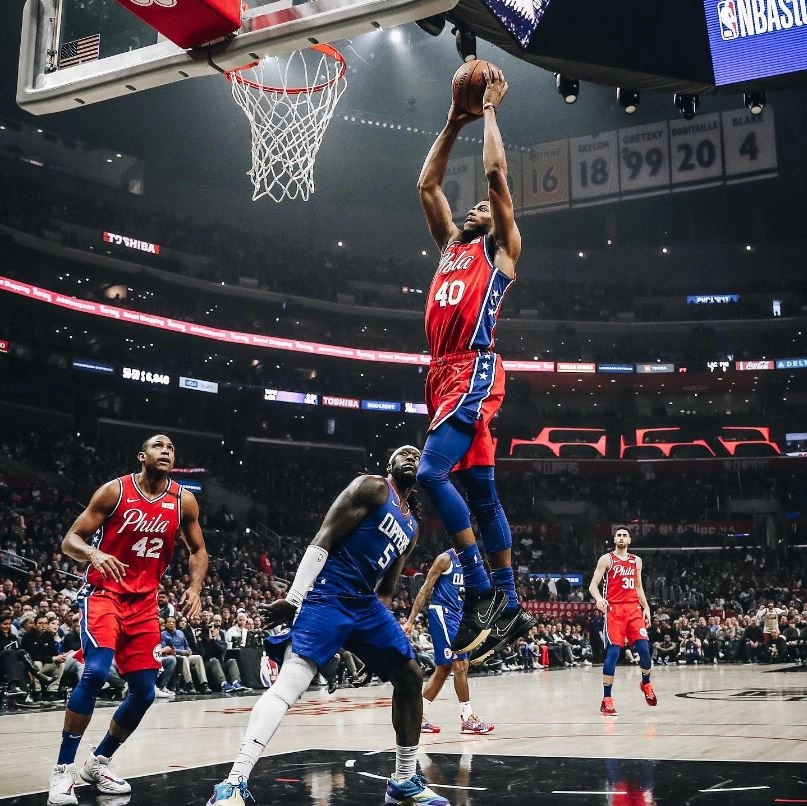
8. Where do you see your career going in the next few years—on or off the court?
I see my career continuing to be at a high level on the court whether that’s overseas or a shot back in the NBA in the future. Right now I’m focused on being the best player and version of myself everyday. From playing overseas it’s opened my eyes to the world on many ways and has allowed me to increase my connections on and off the court as well. I would love to be a consultant and mentor for others on/off the court in the years to come. Handling everything from player mentality to the legal side of things. Basketball is continuing to rise all over the world and the money that is being given out is at an all time high. I would like to help others avoid mistakes, be financially educated and prepared for life. As well business men and women in order to help their communities and families as well. With my help I would like to help others create and keep generational wealth as well as grow into aspiring leaders that the younger generations can truly follow!
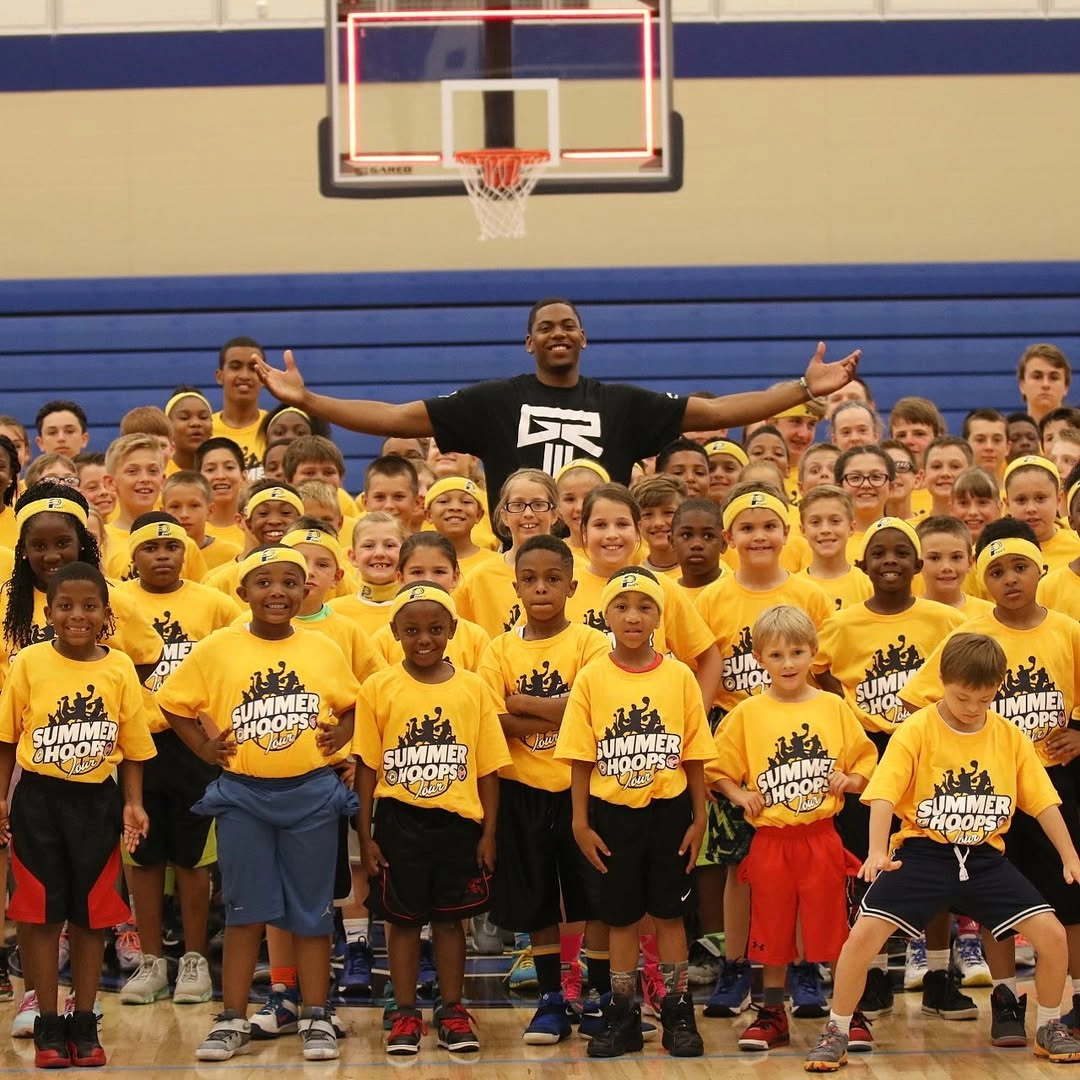
Glenn Robinson III’s story is one of growth and adaptability. After making his mark in the NBA with unforgettable highlights, he’s now adding to his journey overseas, showing that basketball careers can evolve in exciting ways. His path is a reminder to young players that success comes not only from talent, but also from perseverance and openness to new opportunities around the world.