


From Indiana playgrounds to Ohio State, San Antonio, Paris, Athens, and beyond — his journey is one of resilience, adaptation, and unwavering purpose. A McDonald’s All-American turned NBA Draft pick, he could have chased the traditional path. Instead, he chose stability, family, and longevity overseas — and became one of the most respected American players in European basketball.
In this Premier Media interview, he reflects on the tough environment that shaped him, the lessons from legends like Tony Parker and Tim Duncan, the intensity of EuroLeague competition, and the sacrifices behind playing thousands of miles from home. This is a story of grit, identity, and redefining success on your own terms.
1. What first drew you into basketball growing up?
Honestly, it was all about the environment I grew up in. I had uncles who loved to hoop, and they would take me to the park with them when I was just a kid. I was always bigger than everyone my age, so they’d throw me in with older guys. That’s really where I built my toughness and skill — hooping with my uncles every day. A big influence early on was James Whitaker. He introduced me to organized basketball through the YMCA league, and once I got in, it was over. Iw was putting up 30–40 points at a young age. My friends kept telling me I was going to be somebody — that kind of confidence from people around me was all the motivation I needed.
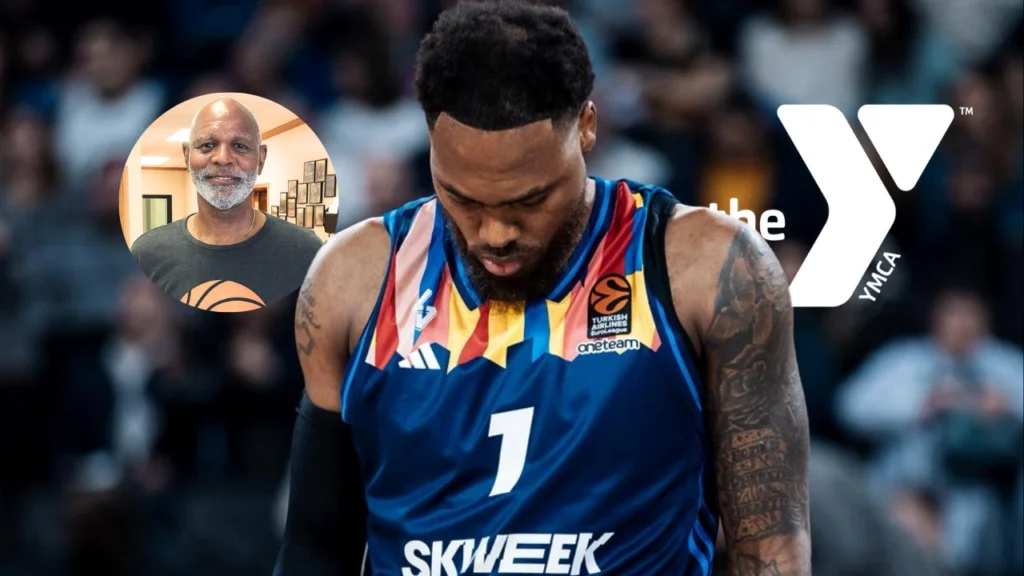
2. Looking back on your early years in Indiana, what challenges helped shape you as both a player and a person?
My environment growing up wasn’t the easiest, so basketball became my escape. I stayed in the gym constantly — that’s what kept me sharp mentally and physically. Basketball gave me relief and purpose. Staying locked in on the game helped me stay focused on becoming somebody, and that foundation made me the humble, hardworking person I am today.
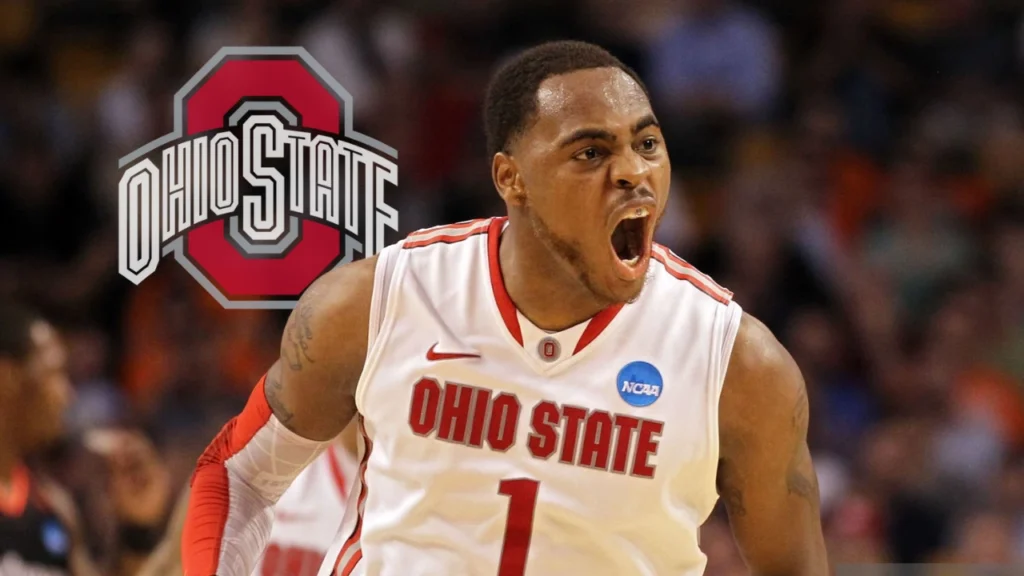
3. What was your experience like at Ohio State as a McDonald’s All-American coming in?
Going to Ohio State was an incredible experience. Coming in as a McDonald’s All-American, I was competing at the highest level in college basketball. I had to fight through some adversity along the way, but I built a great career there. Buckeyes always showed love, and I’ve got nothing but love for them back. I put in the work, stayed locked in, and it paid off. To this day, I’m proud to say I’ll always be a Buckeye.
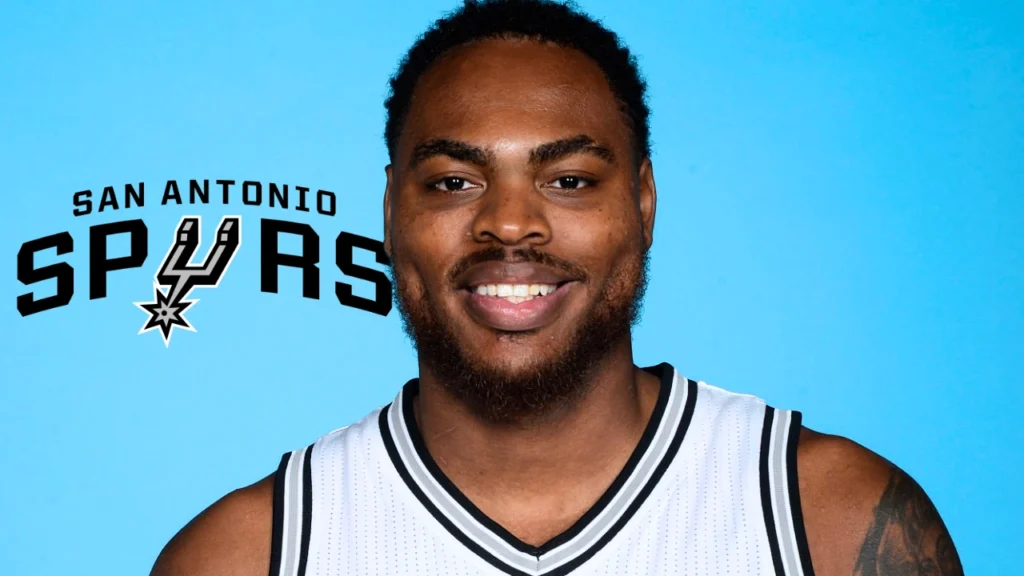
4. What was your path from college to the NBA?
My sophomore and junior years were huge — I was playing unbelievable basketball and started generating real NBA buzz. I tried to make the leap in my final year, and even though the process was tough, I ended up getting drafted — one of only 60 kids in the world. That was a dream come true. I spent six months with the San Antonio Spurs — training camp, getting to be around legends like Tony Parker, Manu Ginóbili, and Tim Duncan. Just being in that environment taught me a lot.
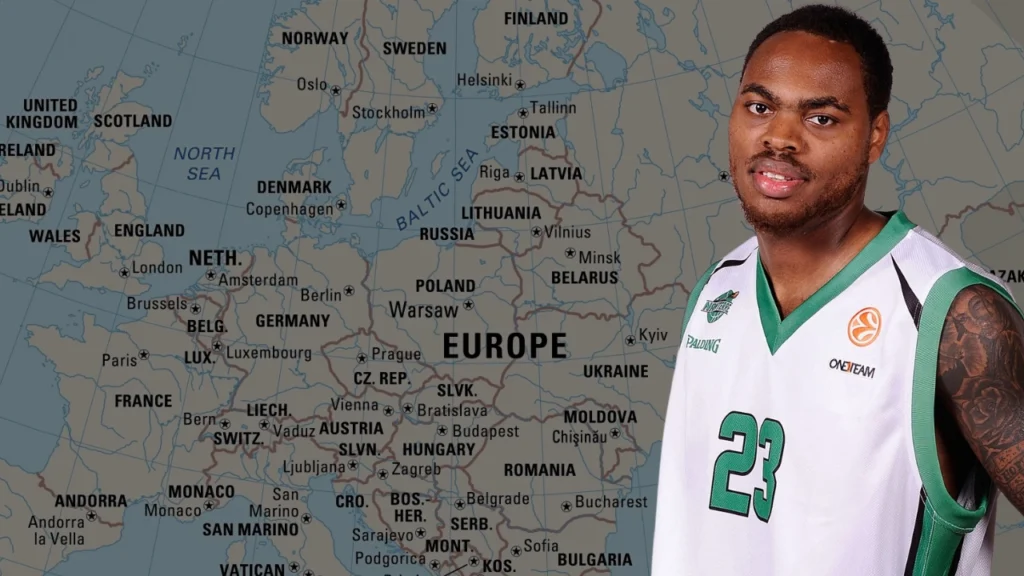
5. What ultimately led you to choose Europe over staying in the NBA system?
There were NBA conversations, but at that time I had to think long term. I had a child, and I needed stability. I could have stayed and fought for a roster spot or rights in the U.S., but Europe came calling, and I made the decision to provide for my family. Transitioning overseas was tough at first — I moved to Paris and didn’t know the language — but I had American teammates who helped me adjust. Once I settled in, I realized it was the right choice.
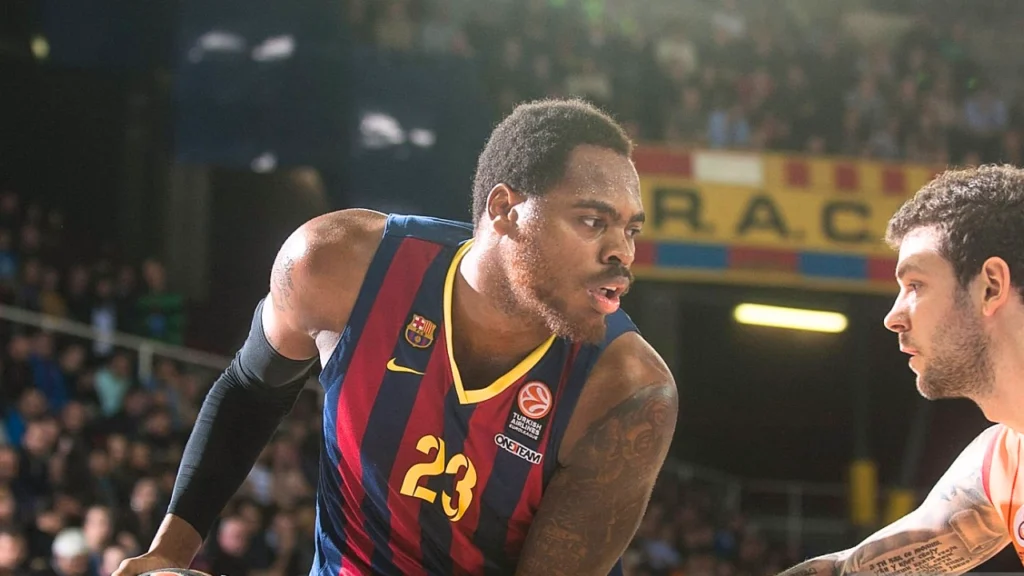
6. What do you think allowed you to become a long-term EuroLeague-level player?
Hard work and consistency. In Europe, it’s all about what you do for the team — no shortcuts, no excuses. I had already built a strong background from Ohio State and being drafted, and once I got on the floor, I showed I could perform at that level. I became a matchup nightmare, and I took pride in being one of the best at my position during my prime. That work kept me in EuroLeague for years.
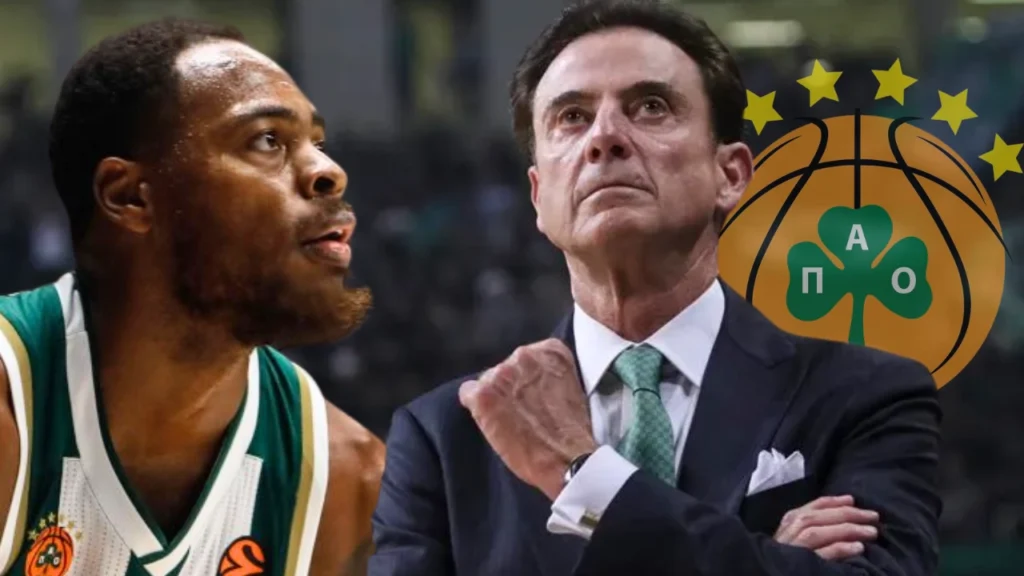
7. What was your experience like playing for Rick Pitino in Greece?
Some of the best years of my career. Coach Pitino showed me a lot of love and gave me a ton of confidence. He made me — and all of us — believers. His practices were intense, he demanded effort, and he was real with you. Panathinaikos felt like family. The fans were passionate, the culture was electric, and their energy fueled us every night. Those years in Greece will always be special to me.
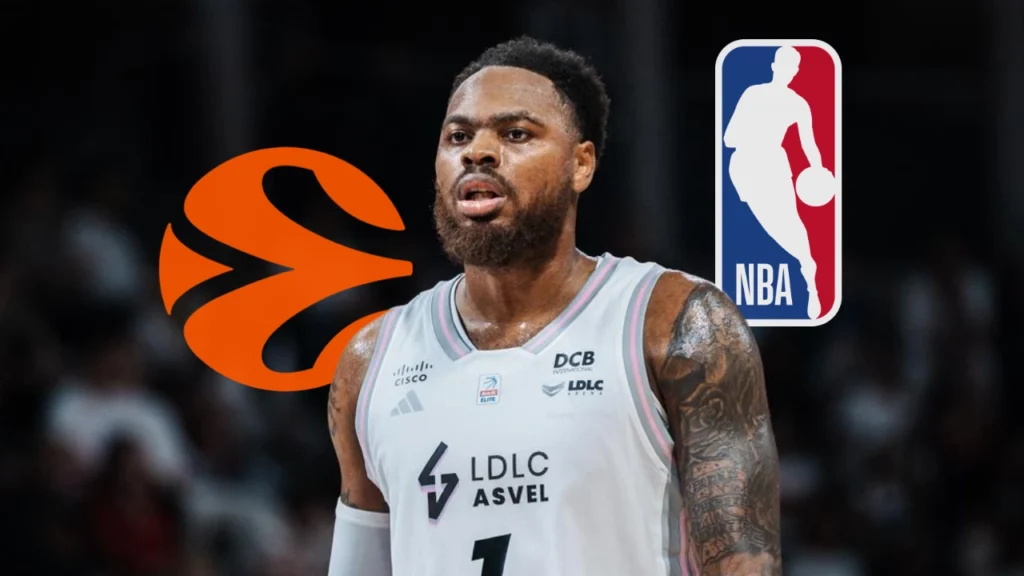
8. How would you compare European basketball to the NBA?
Both are high level, but they’re different. In Europe, players grow up in structured systems — high IQ, disciplined, tactical. In the NBA, you see more athletes who can rely on athleticism or one-on-one talent. Some NBA guys can adapt to systems, some can’t. At the same time, a lot of European players are proving how elite they are — Jokic, Giannis, Wemby. At the end of the day, great players exist in both worlds.
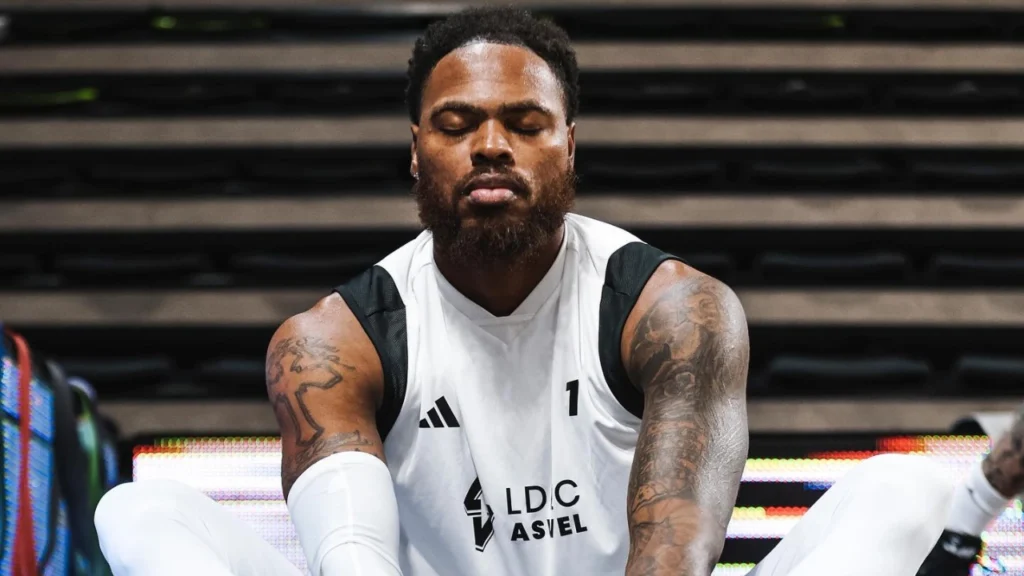
9. What advice would you give to young players who don’t make the NBA right away?
Don’t sleep on Europe. If the opportunity is there, don’t hesitate — especially if it’s the right situation. Overseas basketball can set you up financially and professionally. I’ve seen guys stay in the G League while working second jobs. If you want to feed your family and build a real career, Europe can be that path. Just make sure your agent puts you in a good situation, and be open-minded — you can always come back.
10. What does life after basketball look like for you now?
I’ve been out for about a year and a half, but I still stay in shape. Right now, my focus is on business and building my brand. My goal is to own businesses, be my own boss, and keep making an impact in the community. I want to protect and provide for my family while continuing to use my network the right way. Basketball gave me a platform — now I’m focused on using it to become the best entrepreneur and person I can be.
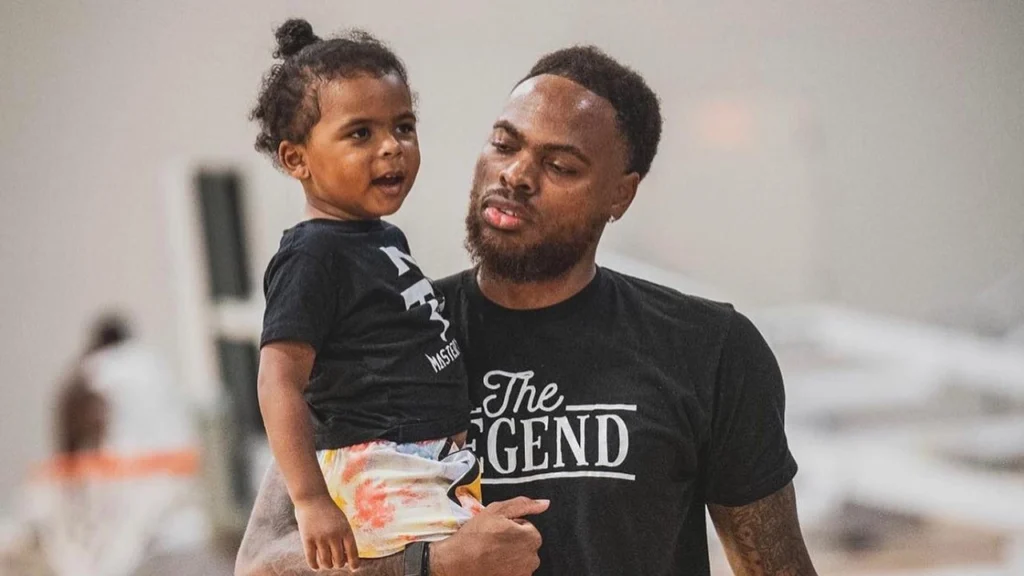
His journey proves that greatness isn’t limited to one league or one country — it’s defined by discipline, consistency, and character. From Indiana gyms to roaring European arenas, he built a legacy far beyond the spotlight.
As he transitions into entrepreneurship and life after basketball, his mission remains the same: protect, provide, and lead by example.
Premier Media thanks him for sharing his story — and for reminding us that there’s more than one way to become a legend.