

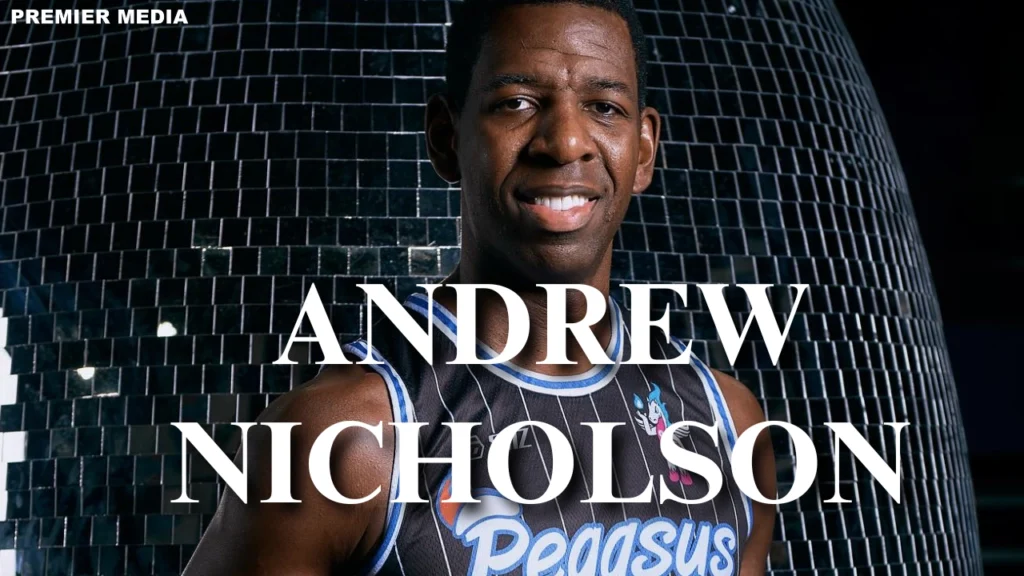
From leading St. Bonaventure to its first Atlantic 10 Championship to hearing his name called on NBA Draft night, Andrew Nicholson has experienced basketball at every level. After playing for Orlando, Washington, Brooklyn, and Portland, he continued his career overseas, becoming a standout in China, Korea, and the Philippines.
In this interview with Premier Media, Nicholson reflects on his journey, the evolution of his game, and the lessons he wants to pass down to the next generation.
1. What made you switch from baseball to basketball, and when did you realize you had the potential to go pro?
It really came down to my height. I was always tall in high school, and while I tried baseball, I wasn’t very good. My strike zone was huge, and I struck out all the time — eventually, I got cut. That’s when my basketball coach asked me to join thea team. From that moment, I fell in love with the game.
2. Winning the 2012 Atlantic 10 Tournament was a huge moment. What did that championship and NCAA Tournament appearance mean to you?
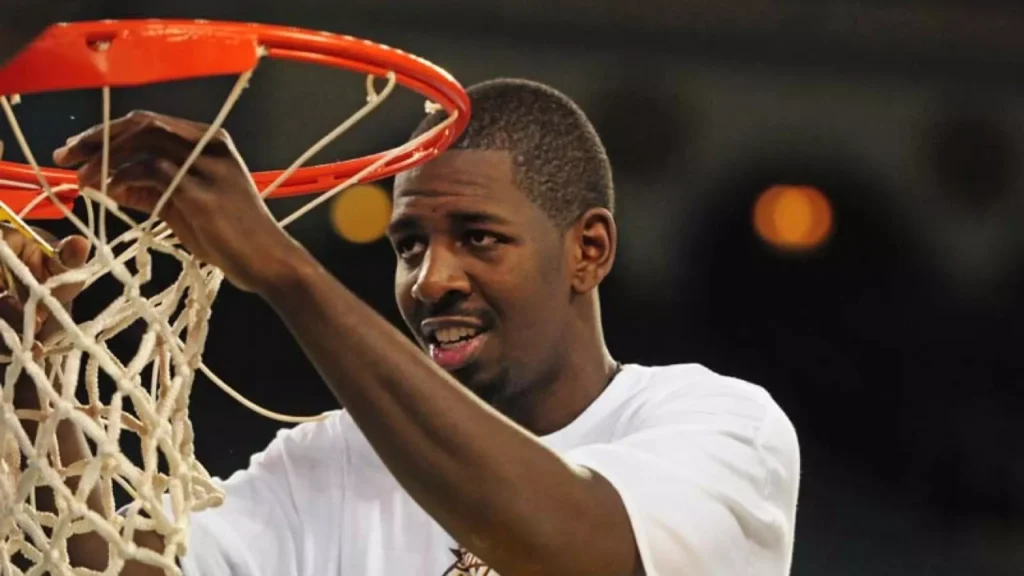
It meant everything. It was the first time St. Bonaventure had ever done it, and to be a part of that history was incredible. Having my jersey retired because of it was special. That group of guys will forever be remembered as the first to bring that title.
3. What was the pre-draft process like, and were there specific teams you thought might draft you?
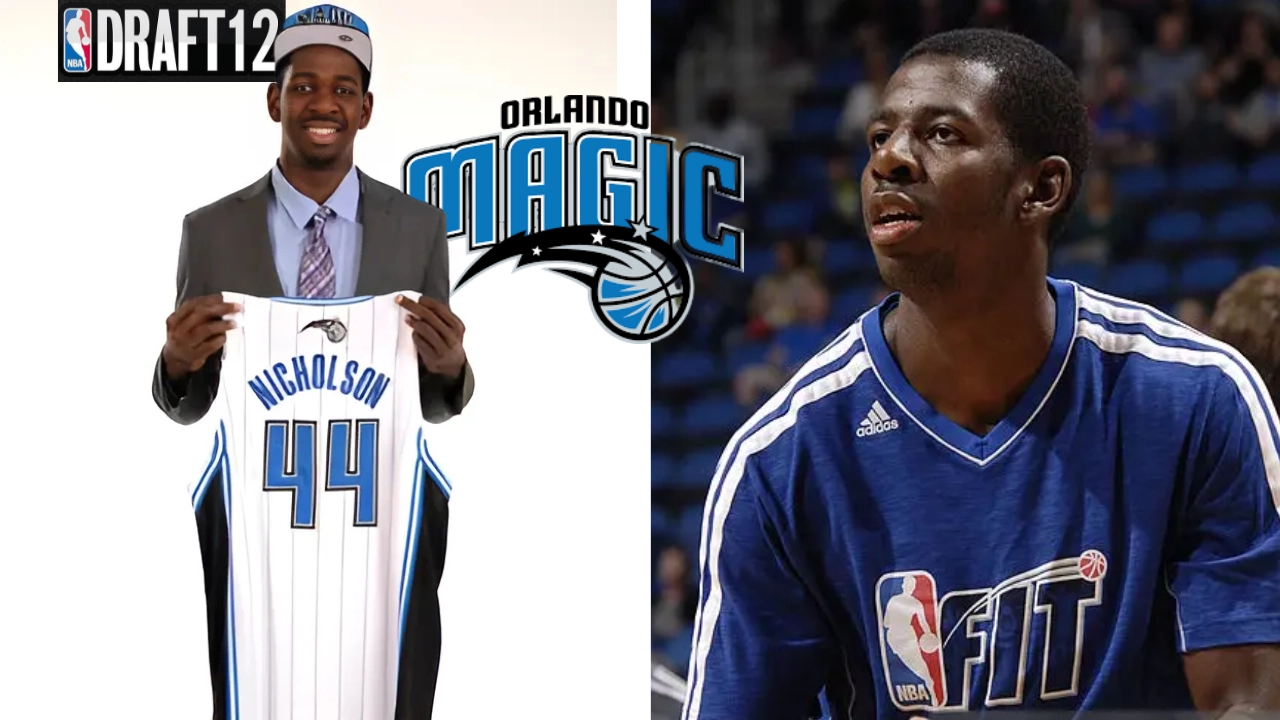
The pre-draft process was amazing but also exhausting. I traveled to about 13 different teams for workouts. I remember going to Orlando and having a great workout there. I also thought Houston or Denver might draft me because those workouts went well too. Ultimately, Orlando picked me at 19, and it was such a blessing. Living in Florida? You can’t beat that.
4. What was it like being selected 19th overall by the Orlando Magic?
It was a dream come true. Every player wants to hear David Stern call their name on draft night. It was life-changing — suddenly, I was in the biggest basketball league in the world. That opportunity is something I’ll always be grateful for.
5. How would you describe your playing style during your time with the Magic?
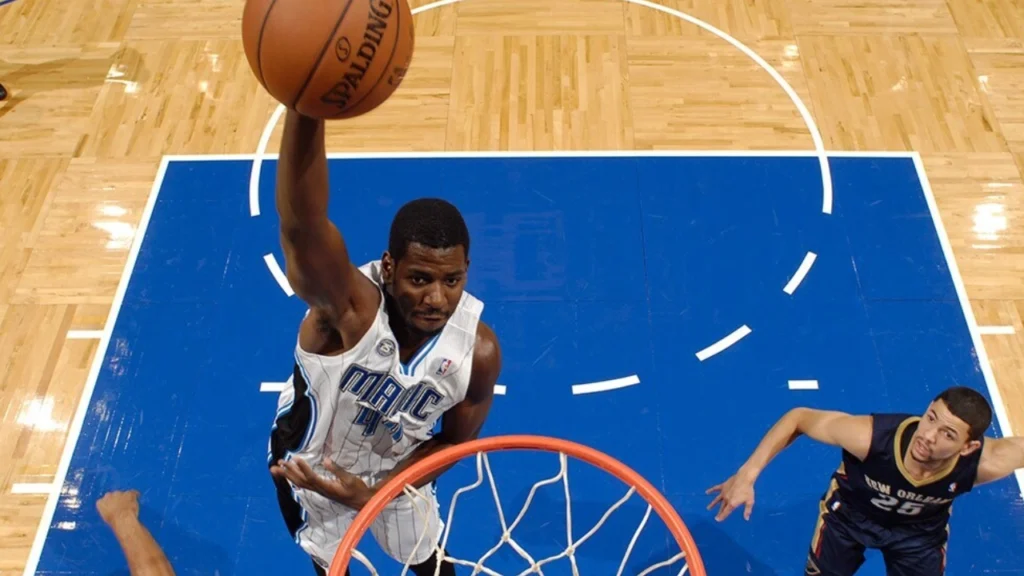
As a rookie, I didn’t shoot threes at all. My game was more old-school — back to the basket, mid-range shots. That style was still popular then, unlike today’s pace-and-space, three-heavy approach.
6. What were some of your most memorable moments in the NBA?
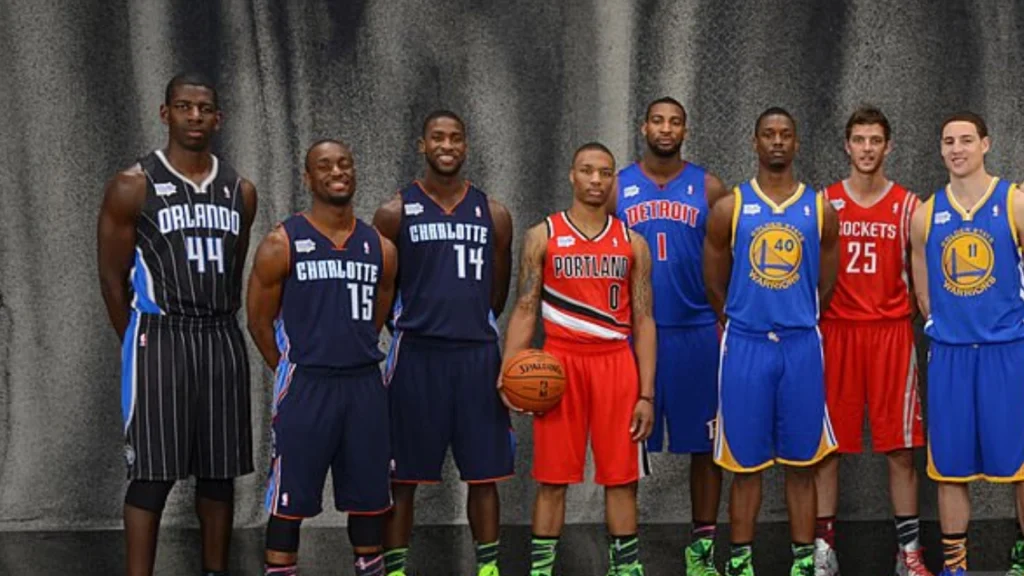
The Rookie All-Star Game stands out. Playing against the top guys from my class, being part of All-Star Weekend, and seeing the legends I grew up watching — it was surreal. I still have the signed basketball from everyone who participated.
7. How did your role with the Magic evolve, and what impact did it have on your development?
My role changed a lot. I came off the bench most of the time, and my job was to provide an offensive spark. Whether maintaining the lead or helping us catch up, that was my responsibility. It taught me how to make an impact in limited minutes.
8. After playing with Washington, Brooklyn, and Portland, what led you to transition away from the NBA?
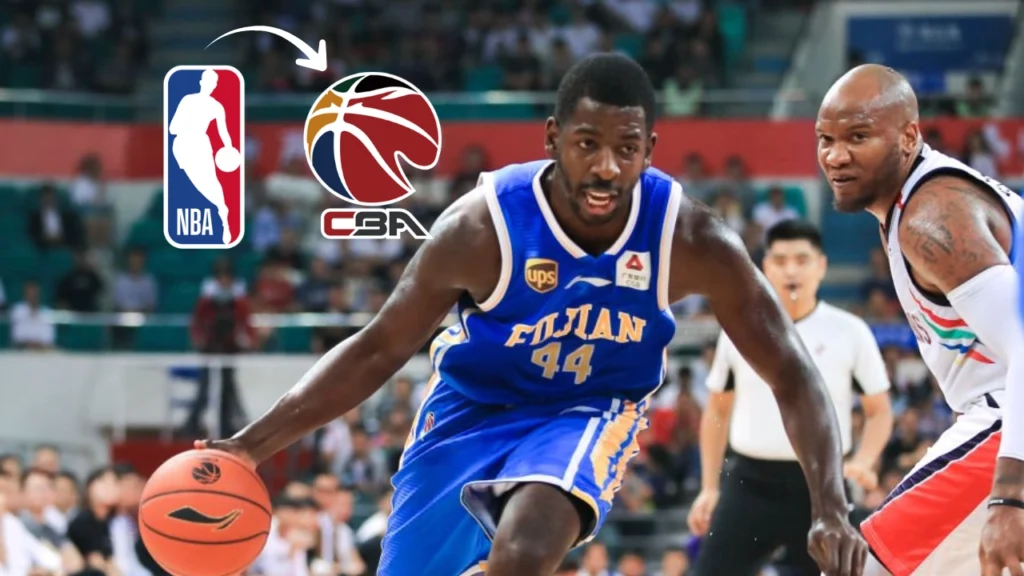
Opportunity. I felt I had proven myself in the NBA, and while there were chances to come back, I wanted something different. I went to China, and it opened up a new world. I enjoyed the culture, the fans, the challenge. Later, I moved to Korea, and Asia has really become home.
9. What inspired you to continue your career overseas in China after leaving the NBA?
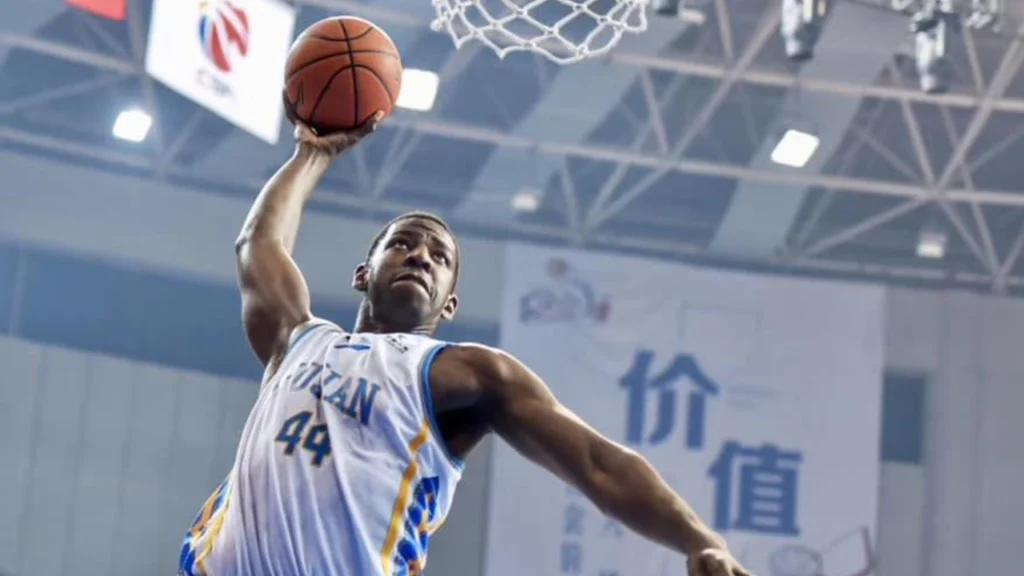
Adaptability. I’ve always valued being able to adjust to new challenges. The CBA was a new league, new culture, and a whole new way of life. That excited me, and it pushed me to grow both on and off the court.
10. How has your game evolved overseas compared to your NBA years?
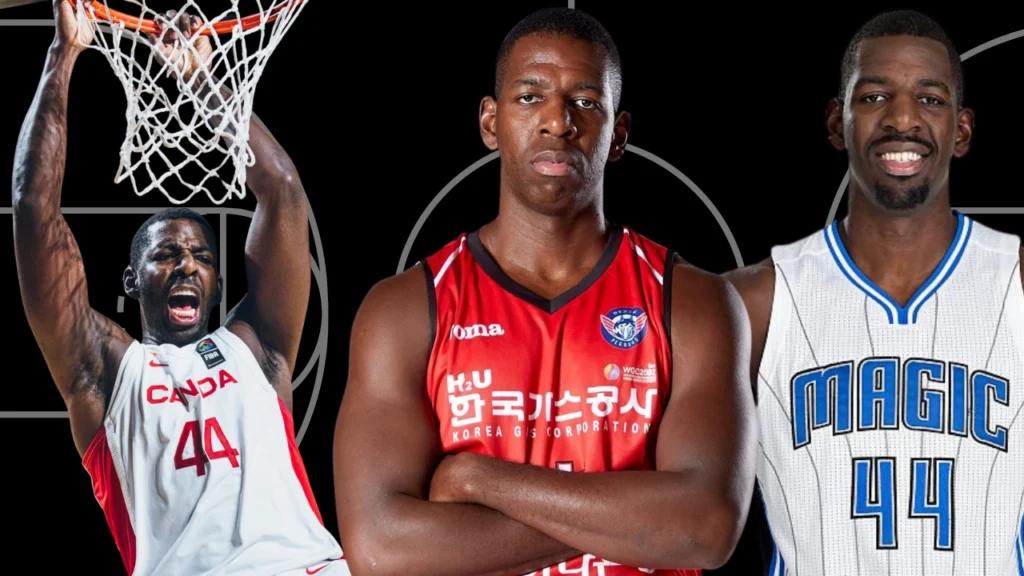
My game has expanded a lot. I shoot a lot more threes now — that’s how the game is played today. I still use mismatches inside, but I’ve added the ability to stretch the floor, which I didn’t do much in the NBA.
11. You’ve had success in the CBA. What were your biggest achievements, and how did the fans embrace you?
My biggest competitor was always myself. I came in with the mindset to improve and fully embrace everything — the culture, the game, the people. That allowed me to be successful and build strong connections with the fans, who really welcomed me.
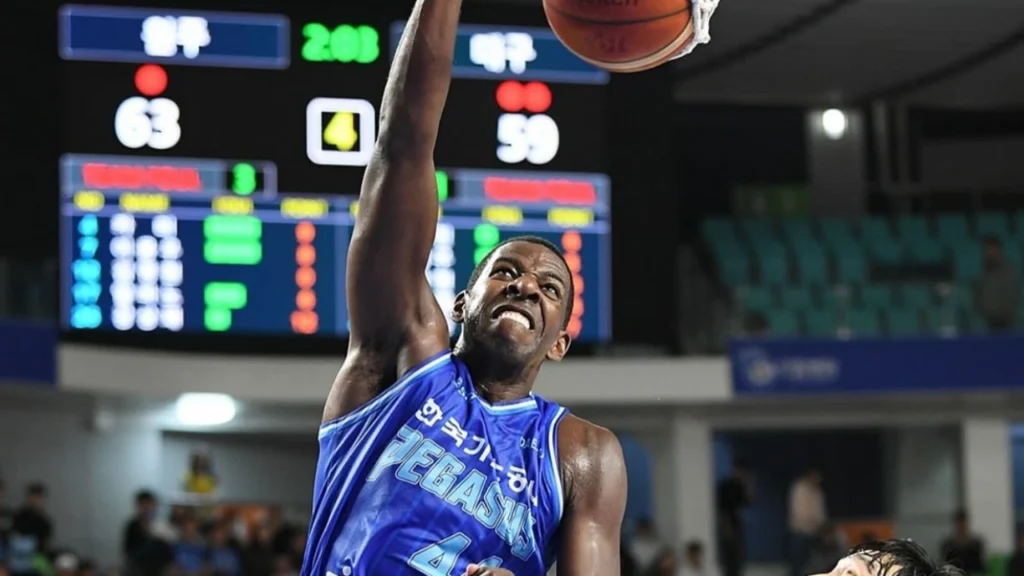
12. You’ve also played in Korea and the Philippines. How did those experiences shape you?
Each country was unique. Different playing styles, languages, foods, and people — I had to adapt every time. But I absorbed the positives from each place, and those experiences made me who I am today, both as a player and a person.
13. Do you see yourself playing in Europe, or are you thinking about coaching and other future plans?
Europe doesn’t interest me at this point. I’m in year 14 now, and Asia has been my home for the past nine years. I love it here. After the season, I’ll evaluate opportunities, but for now, I see myself staying in Asia.
14. What advice would you give to your younger self, and what message do you have for the next generation of players?
To my younger self: be dedicated, be disciplined, and understand the game won’t last forever. Stay smart with your money — I invested in businesses like a basketball facility, a social wellness house, a men’s league, a strength and conditioning program, and even cookie stores. Basketball gave me the chance to build those things. To young hoopers: let basketball take you where you want to go, not just where the ball bounces. The game can give you education, travel, money, and open doors you never imagined. Seize that opportunity, stay disciplined, surround yourself with good people, and always show gratitude to the game.
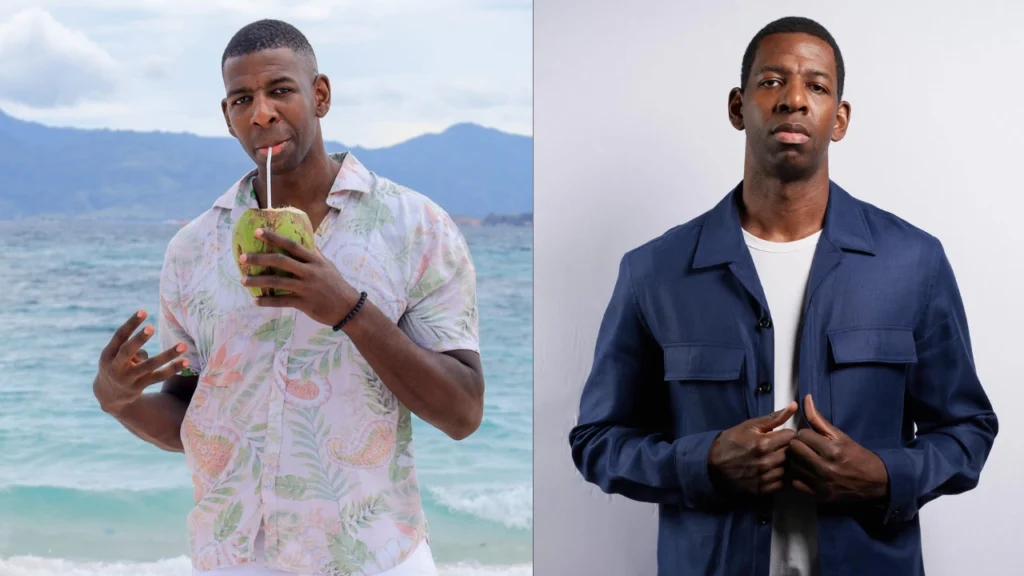
Nicholson’s career shows the true global reach of basketball. From making history at St. Bonaventure to competing in the NBA and thriving across Asia, he has continually adapted, learned, and inspired. His advice to future players is clear: stay disciplined, stay dedicated, and always give gratitude to the game.