

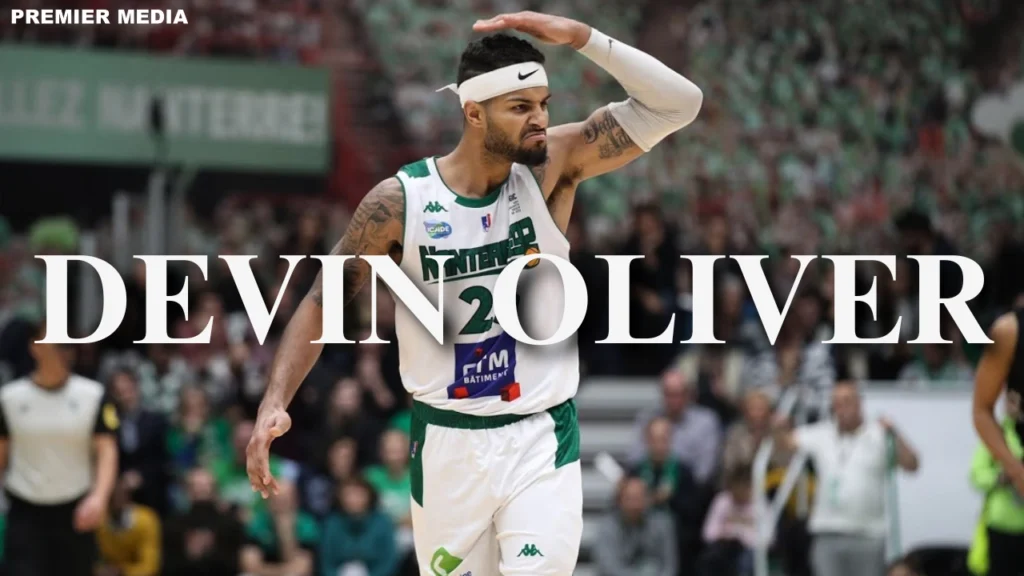
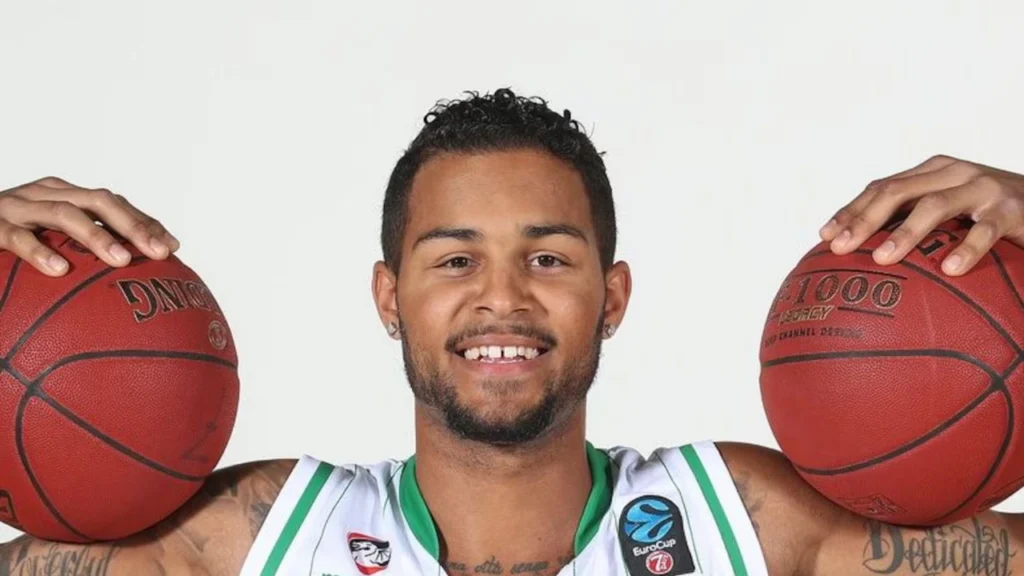
From the NCAA’s biggest stages to the hardwoods of Europe, the Middle East, and Asia, Devin Oliver has lived a basketball journey defined by resilience, adaptability, and an open-minded approach to the world. What began in a basketball-loving family in the U.S. has turned into a career spanning Belgium, Israel, Slovenia, Turkey, Germany, France, and now Japan — where he’s found both personal and professional fulfillment.
Premier Media sat down with Devin to explore the pivotal moments, tough lessons, and global experiences that shaped him into one of the most respected American veterans overseas.
Early Beginnings & College
1. Let’s start at the beginning — how did you first get into basketball, and what were your biggest influences growing up?
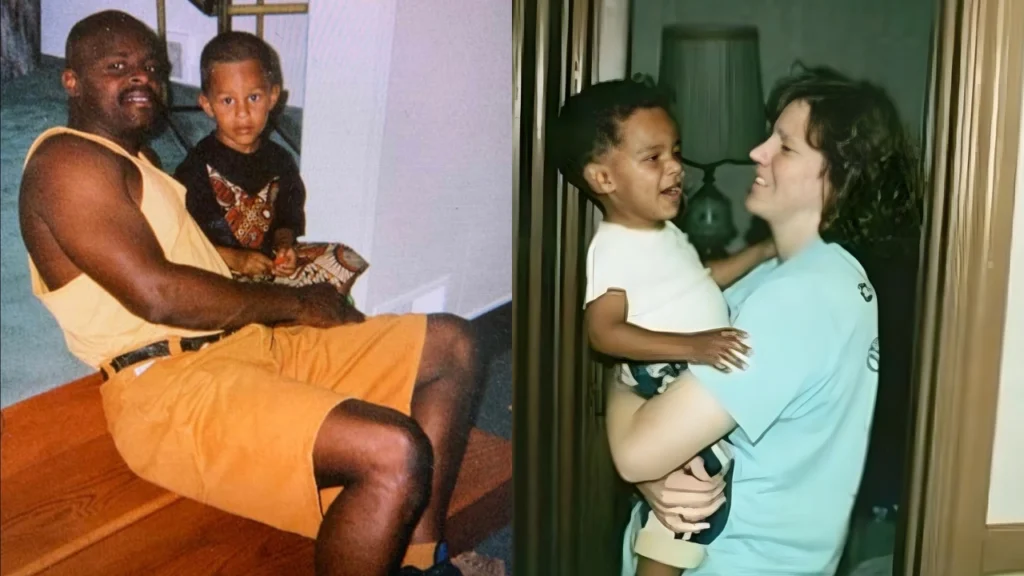
I first got into basketball when I was 5 years old. Both my father and mother played college basketball, as well as a few of my uncles, so it was always around in my family. My biggest influences growing up were definitely my parents, as well as a few coaches that really put the time and effort in by showing me the fundamentals of the game!
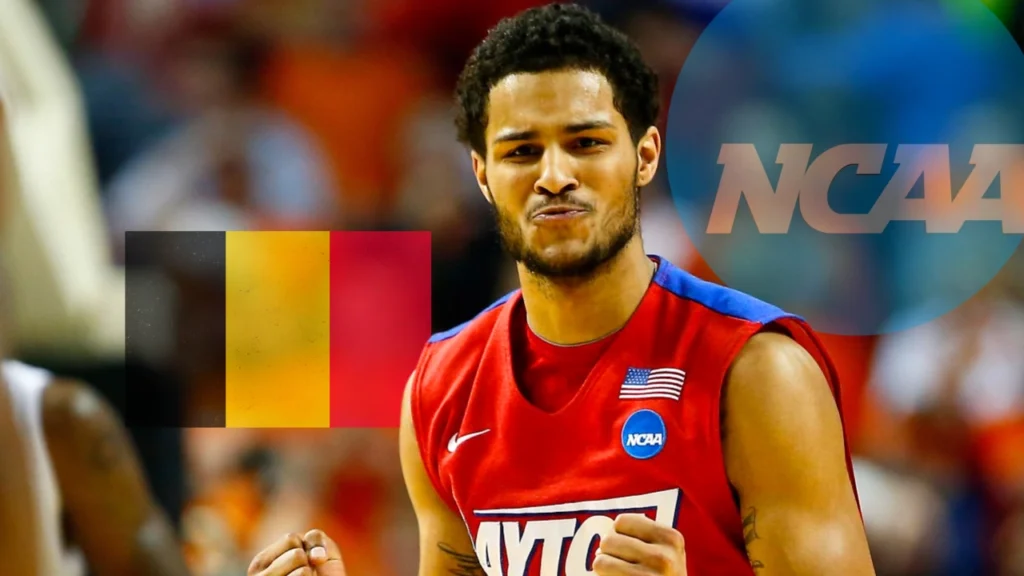
2. You spent four years at Dayton with the Flyers — how would you describe your college career, and what lessons did you take away from that experience?
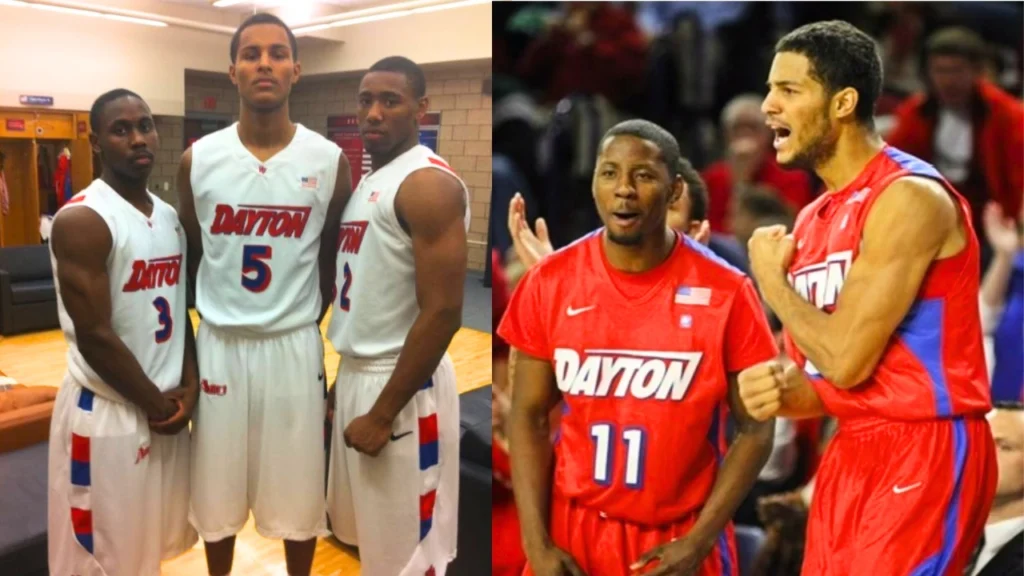
My college career at Dayton still has a very strong presence in my memory. I remember getting there as a skinny, 81 kg freshman, having never really lifted any weights, just relying on pure skill. I had to work every single day to get better, to get tougher and to learn. I carried bags as a freshman, I did extra work, I met new people. And 4 years later, I was a 102 kg SENIOR who helped lead his team to the Elite 8 in the NCAA Tournament. Some of the most important lessons I learned during my time there were that people will always do what’s best for them so don’t be surprised, hard work wins every time, and true leaders lead by example!
3. What helped you most in making the transition from college basketball to playing professionally overseas?
I believe that the thing that helped me most in making my transition as a college basketball player to a professional was enjoying being uncomfortable. For me, it was my first time out of my home country, and it was a big change. My personality helped me a lot because I’m a social person. I started putting myself in new situations and through that, met new people who were of different races, religions and cultures, and it made me realize that the world is such an exciting place!
First Steps in Europe – Belgium
4. Your first two years were with Limburg in Belgium — what was the biggest difference for you when comparing college basketball to Belgium’s pro league?
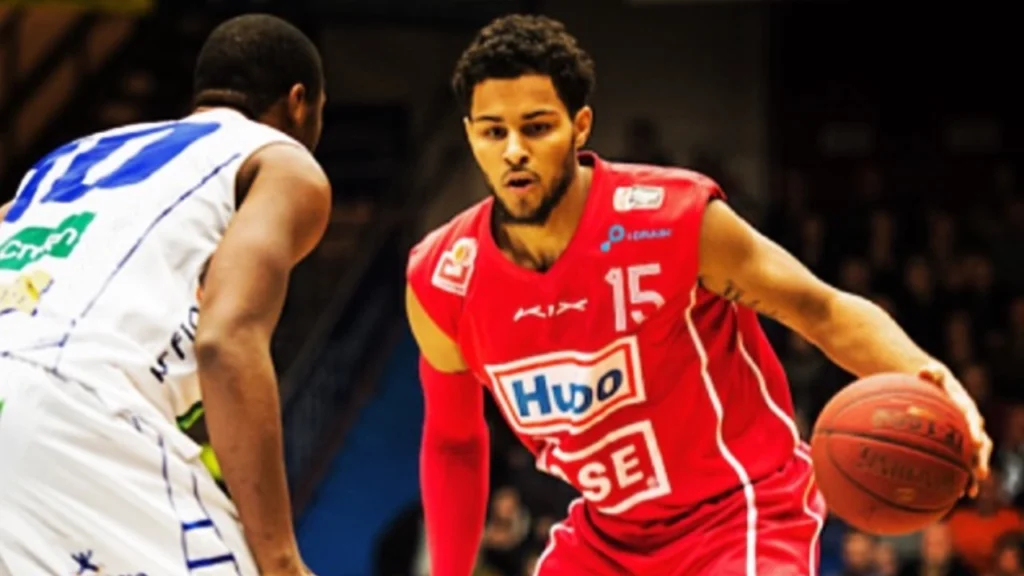
I think the biggest difference for me when comparing college basketball to the Belgian professional league was physicality and basketball IQ. In college, everyone was in the same 5-year age range, whereas professional teams had guys who were 25–40 years old. It was a noticeable difference in maturity both physically and mentally!
5. How hard was it for you to adapt to the European style of basketball in those first two seasons?
It was difficult for me to adjust to European basketball at first. I remember our first few preseason games, I couldn’t stop traveling! 😂 I had my vet, Seamus Boxley, teach me a lot of tricks to help me adjust. But that’s the thing about me, I’m very adaptable, so once I figured it out, I started to excel!
Israel Experience
6. You later moved to Israel, where there’s known to be big pressure on foreign players — how did you handle that environment and what did you take away from that time?
So, my first year in Belgium was great. We had a true team, everyone contributed, we went to the playoffs, and I had an American coach and GM. It really made my transition into European basketball very smooth. My second year I signed to play in Israel. My only experience so far was the great one in Belgium — safe to say my 2nd year was a wake-up call. As a country, I really enjoyed Israel: very beautiful, beaches everywhere, and solid people. However, basketball-wise, we weren’t paid the first 3 months I was there. So essentially I was playing for free. Combine that with the known pressure of the foreigners having to play well and it was definitely a struggle. I was averaging around 10 points but obviously that wasn’t enough, and I wasn’t getting paid. So the team and I decided to mutually part ways and I went home. Looking back now, I’m very thankful for that season because it’s where I learned the most in my career about my work ethic and resilience!
Petrol Olimpija (Slovenia)
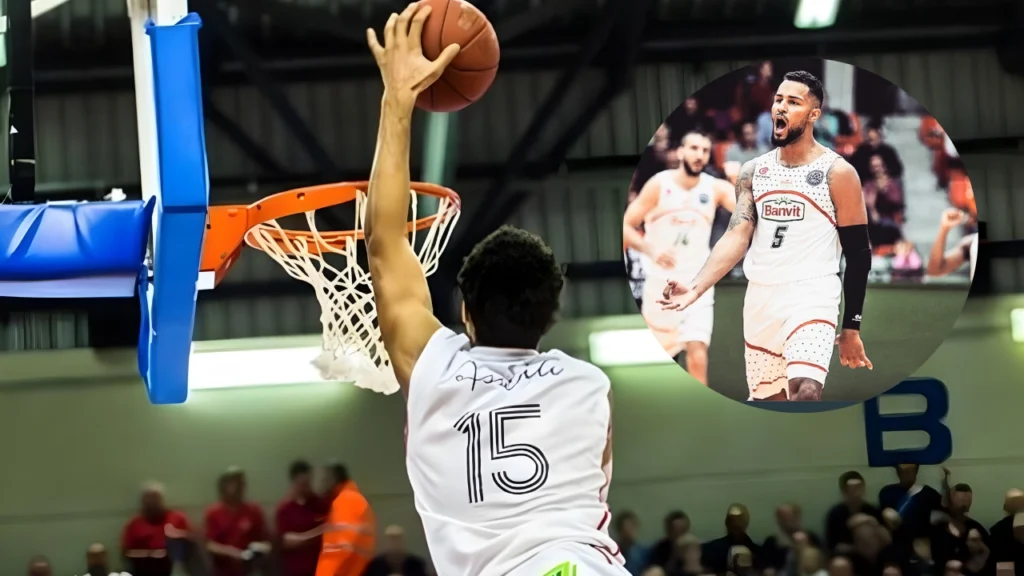
7. You spent two years with Petrol Olimpija, competing in EuroCup, ABA Liga, and the Slovenian League. How strong was the competition you faced there?
I was in Slovenia for 2 seasons. The competition was very solid. We played in 3 separate leagues both years I was there, and they were all very different. Both seasons I played over 80 total games. The Slovenian league wasn’t as tough as ABA or EuroCup/BCL, but those games were physical and grueling. EuroCup and BCL felt like high-level European basketball and ABA was a mix of both.
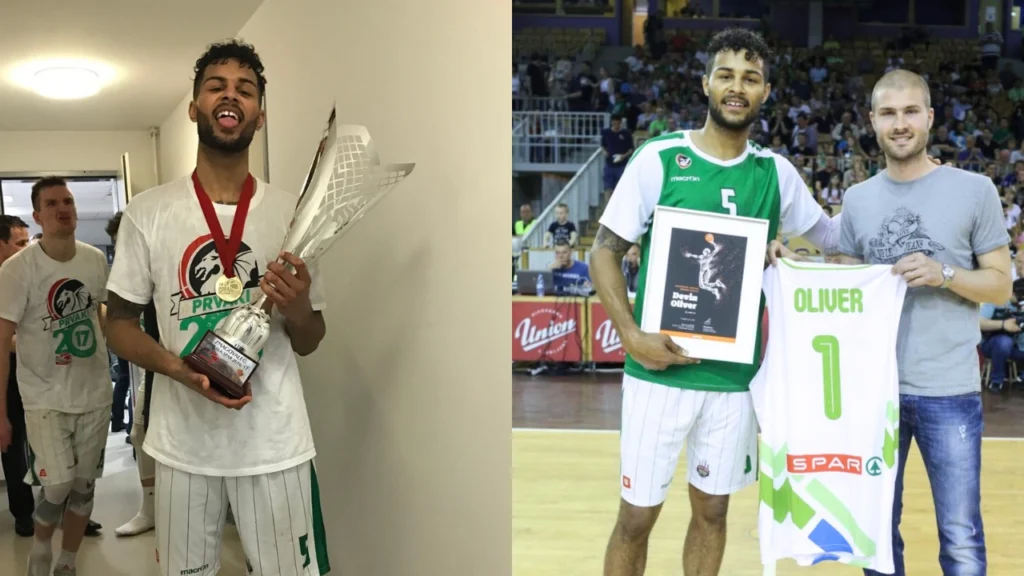
8. What allowed you to stay at such a strong club like Olimpija for that long, and what did that period mean to you?
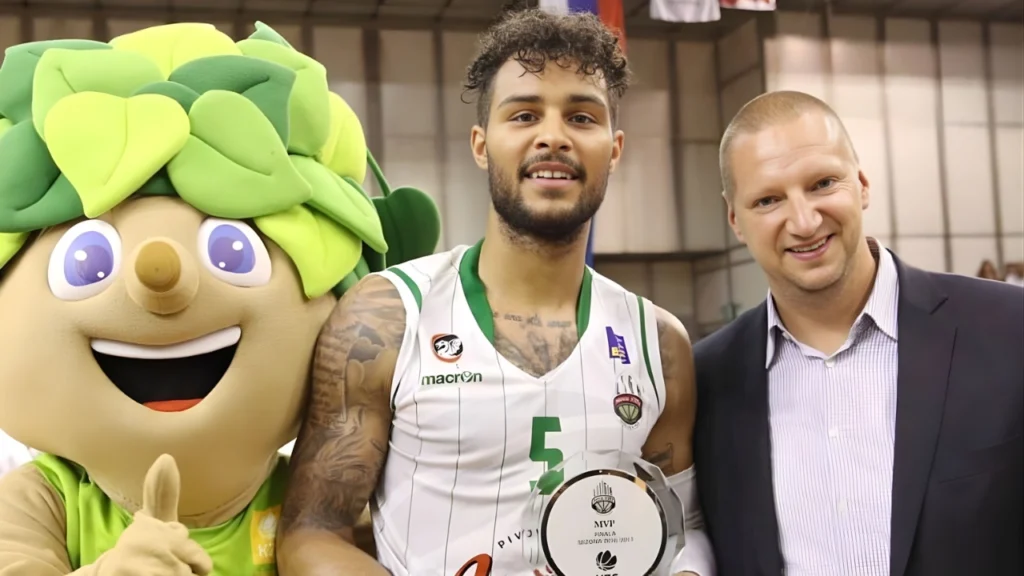
I actually stayed in Slovenia for the 2nd year due to a lack of other options — I later found out my agent was being paid to keep me there. But that period still means the world to me. My game grew significantly because the best way to improve is to play real, intense games. And more importantly, I met my amazing wife Nusa during my time in Slovenia, which has led me to being a father as well. Slovenia is one of my favorite places in the world. I’ll likely live there one day when I’m done playing!
Turkey & Germany
9. After Slovenia, you played one season in Turkey and then moved to Germany — what were the biggest differences between those two countries in terms of basketball and lifestyle?
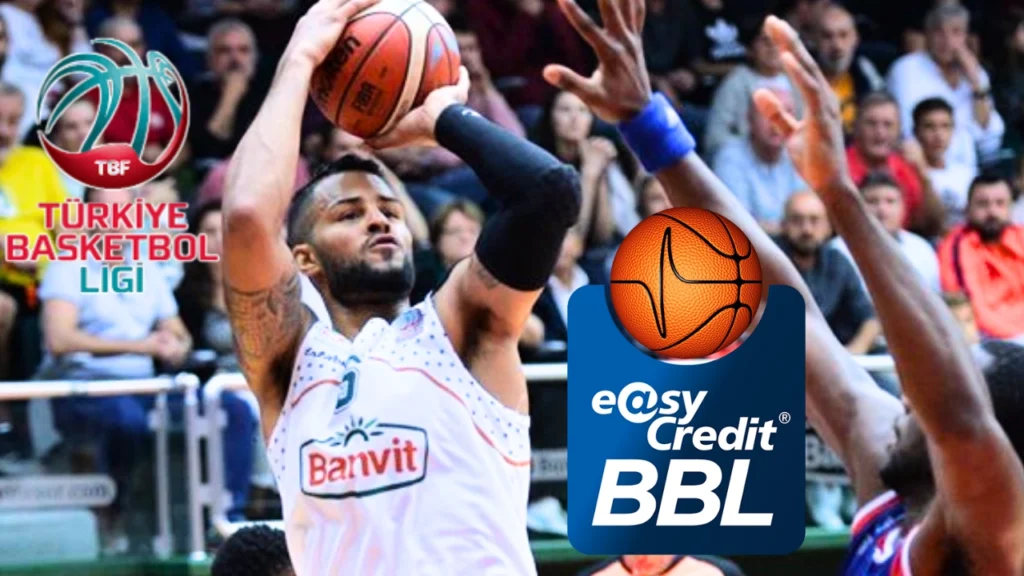
That year split between Turkey and Germany was very interesting. In Turkey at Banvit, we had an extremely good team. I played with many young guys who are now on the Turkish national team. I was playing very well early, but we were losing. When a new coach came in, I decided to go to Germany. Basketball-wise, in Turkey the foreigners carried the biggest responsibility. If we didn’t play well, the team didn’t have a chance. In Germany, everyone was held accountable equally and the mentality was more “team-first.” Lifestyle-wise, Turkey is a bit more chaotic and Germany is more organized.
10. Between the two, where did you enjoy playing more and why?
I loved both countries — Turkey has excellent food and history, Germany has great people and beautiful architecture. But if I had to choose, it would be Germany! Mainly because of my basketball experience and being paid on time, EVERY TIME! 😊
Return to Turkey & Move to Japan
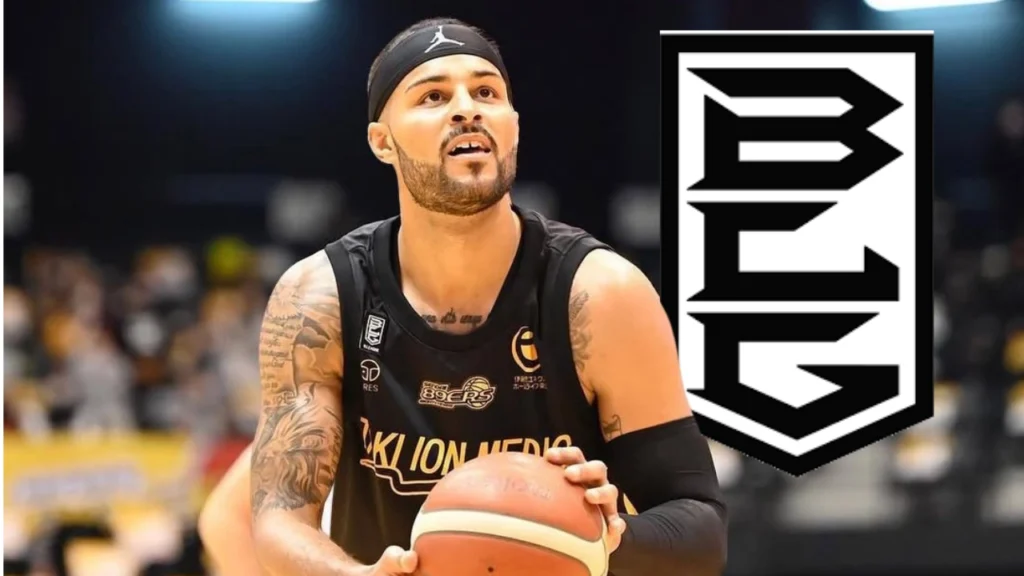
11. You came back to Turkey and had a solid year before signing with Sendai in Japan — how did that offer come about?
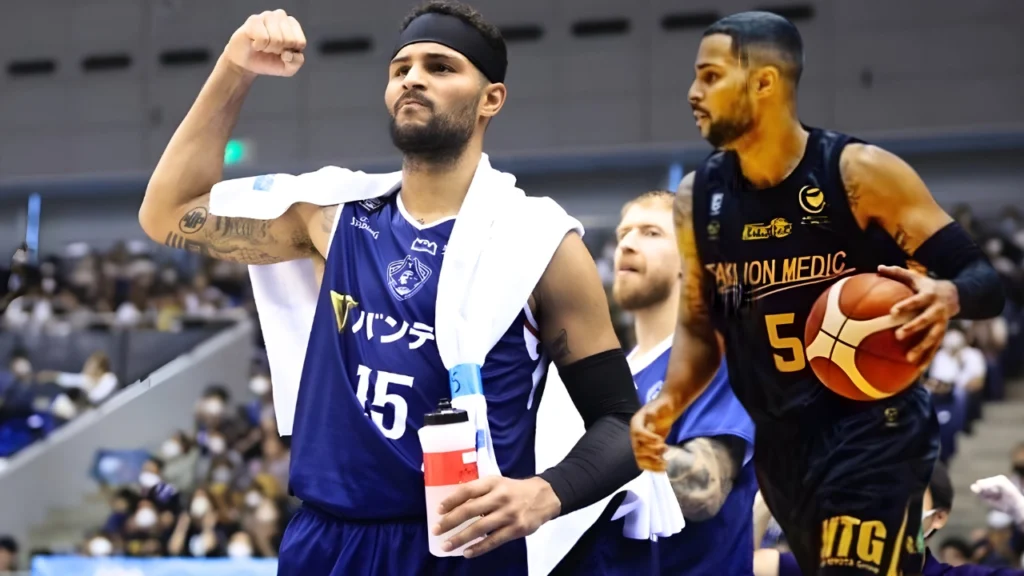
Honestly, after that last year in Turkey, I was strongly considering retirement. The season took a major toll on my body and mind. Oddly enough, Dwayne Evans gave my name to a coach in Japan, my agent called me, and at first I wasn’t sure. But the competitor in me said, “hey, let’s give it a shot!” Best decision I’ve ever made!
12. What are the biggest differences between Japanese basketball and the other leagues you played in?
The biggest difference is how much your team relies on you. Only two foreigners can be on the floor at once, and that changes everything.
13. How quickly did you adjust to living in Japan, and what was the biggest cultural shock?
My first year in Japan was during COVID-19 lockdown, so I was alone and didn’t do much. But it wasn’t too hard because the country is so organized and the people are friendly. The biggest cultural shock was definitely the language. I’m pretty good now, but in the beginning it was a lot!
14. You decided to stay in Japan for multiple years — what made you want to continue long-term?
It was an easy decision. The money is better than Europe, the culture is awesome, it’s safe and organized. My daughter was born here, so it really became a place of love for my family and me.
France (Nancy) & Return to Japan
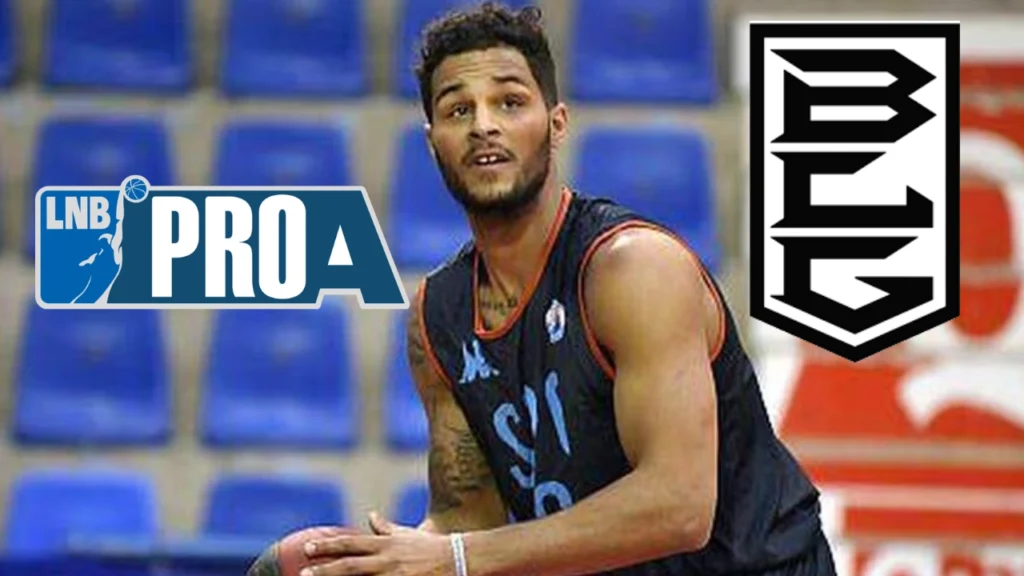
15. Last year you played in Nancy, France — how different was it coming from Japan to French basketball?
France and Japan are very different. France plays more up and down with athletic dominance, while Japan is slower and more about exploiting mismatches and focusing on imports.
16. Now you’re back in Japan again — what is it that keeps drawing you back?
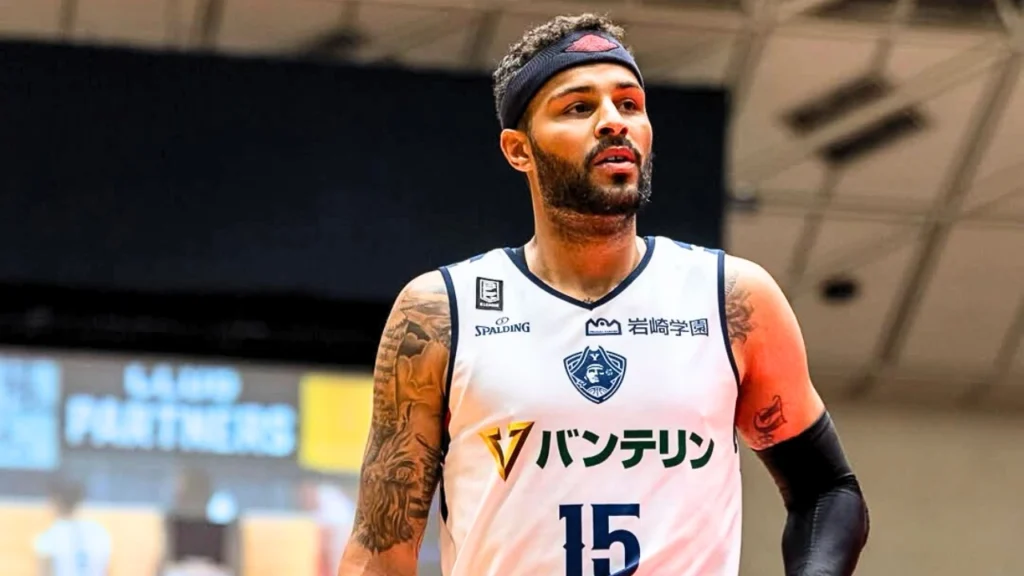
Multiple reasons — the money, the people, the fan support, the safety, and the chance to show all parts of my game. Japan has become home.
Reflections & Advice
17. What would you tell younger players to watch out for when pursuing overseas opportunities?
Watch out for selfish people. There will be ups and downs, but as long as you’re aware of that, there’s nothing you can’t handle.
18. What are the most important lessons you’ve learned in your career?
Always be adaptable. Be a good person. Be a good teammate. Save your money. Find a hobby outside of basketball. Immerse yourself in the culture. Spread love.
19. What’s your hot take on Asian basketball compared to the rest of the world?
You have to think the game even more here — not everyone comes and succeeds.
Devin Oliver’s path is a blueprint for embracing the global game. His journey shows that success overseas is built on adaptability, humility, and openness to the world.