

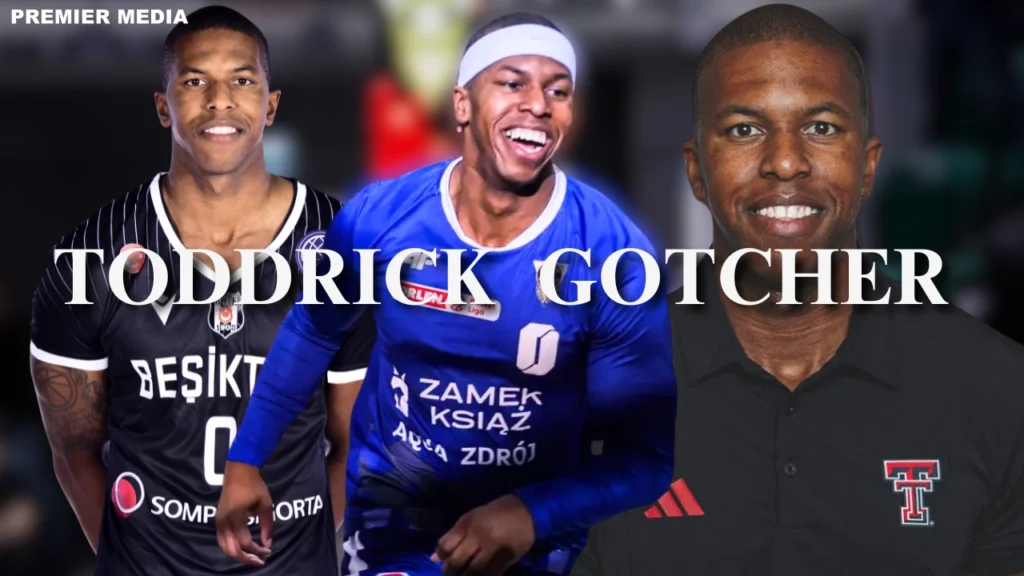
From redshirting his freshman year at Texas Tech to building a decade-long career across Europe, Toddrick Gotcher has seen every side of the game. He has lifted cups in Romania and Poland, adjusted to life overseas, and recently returned to Lubbock as part of Grant McCasland’s coaching staff.
In this exclusive with Premier Media, Gotcher reflects on the lessons, challenges, and victories that defined his journey — and the advice he now passes to the next generation.
1. You redshirted your freshman year at Texas Tech because of injury. How did that challenge shape your mentality early on, and what habits did you build in that period that carried you through your career?
My redshirt year was a blessing in disguise. It helped me see the game of basketball differently from the sidelines. Mentally I approached it from a coach’s perspective and helped my teammates any way I could. I built the habits of watching film the right way and learning how to take care of my body better.
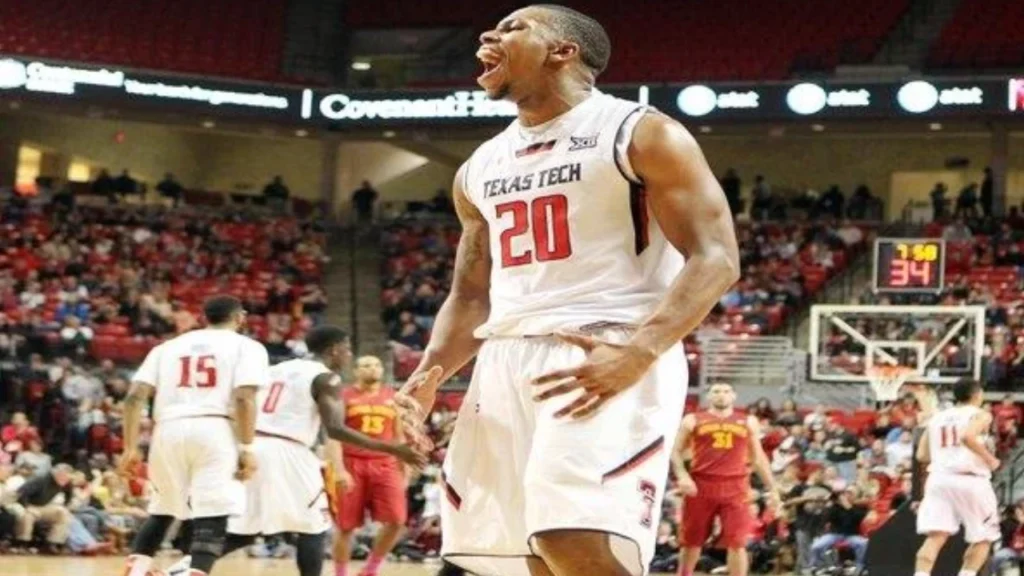
2. By your senior season you were Tech’s leading scorer and a four-time Academic All-Big 12 selection. How did you manage the balance of being a go-to player while also excelling in the classroom?
My parents taught me the importance of academics from an early age. I wanted to get a Master’s degree while I was in school but ended up earning two. It paid off because I knew no one could ever take those away. Balance came from knowing my priorities and always keeping the main thing the main thing.
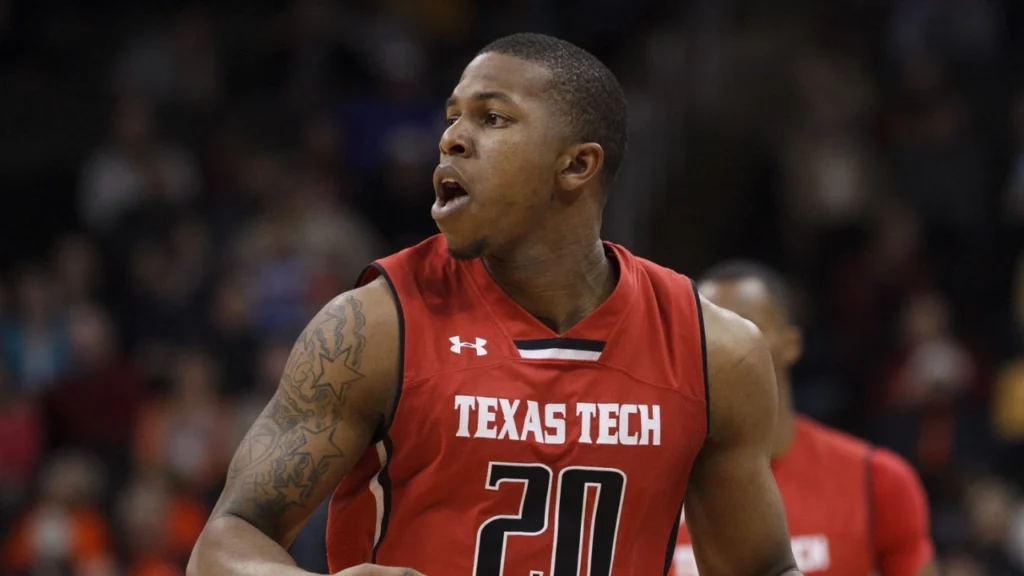
3. Your rookie year in Greece with ASA Koroivos was productive—double-digit scoring, steady minutes. What did that first year overseas teach you about carving out a role as an American import?
My first year in Greece taught me how to really play basketball at a high level. I learned to understand the game, not only using my athletic ability but also reading defenses and making plays with IQ.
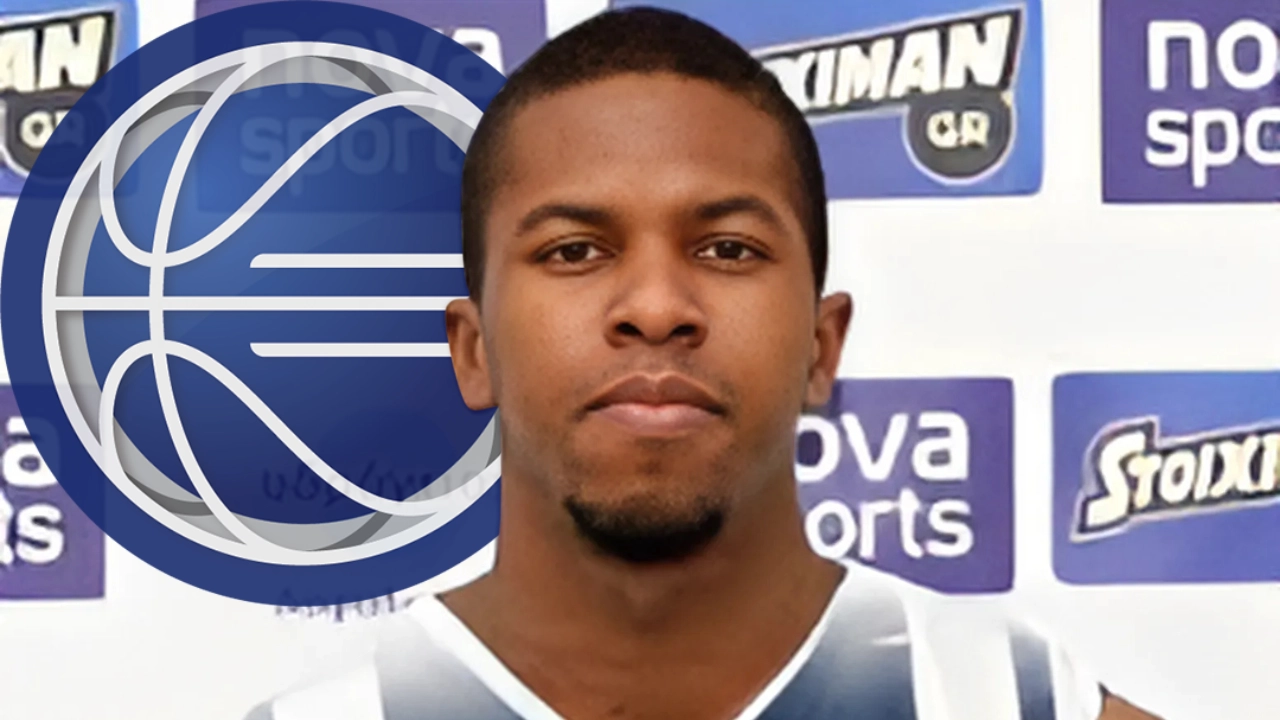
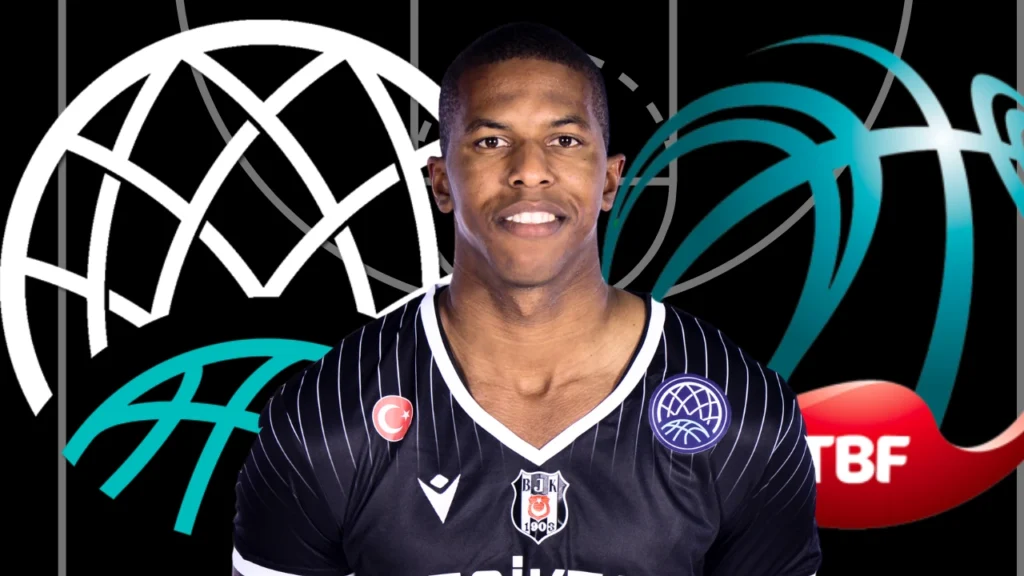
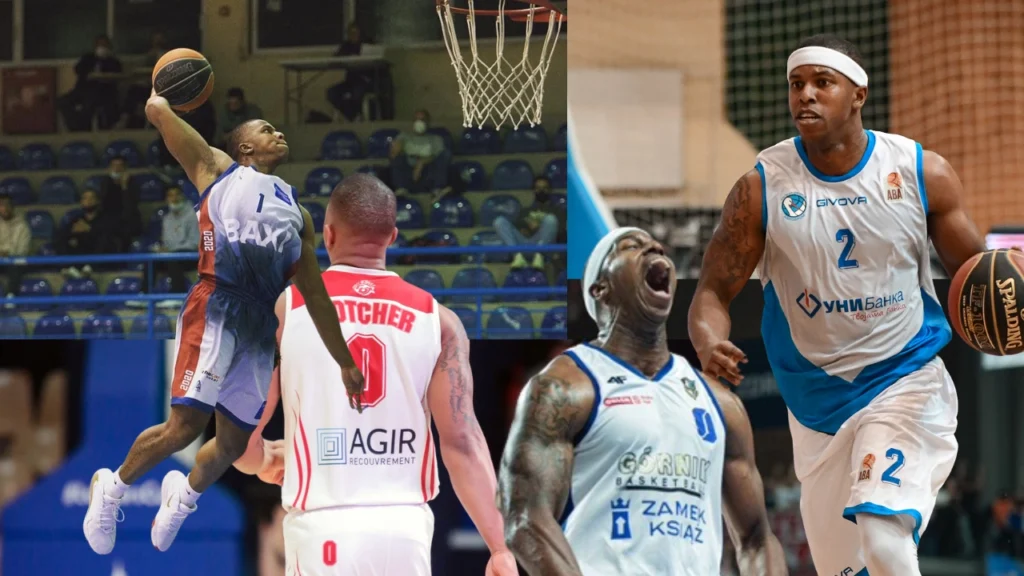
4. You went on to play in France, Turkey, North Macedonia, Romania, and Poland. Which league tested you the most and forced you to grow in new ways, both on and off the court?
The Turkish league taught me the most. It was full of talented players, including EuroLeague and EuroCup teams. I grew defensively there and played my first Basketball Champions League games against top talent.
5. Contracts overseas can vary widely. What did you learn over the years about negotiating and protecting yourself with clauses, bonuses, and payments that young players often overlook?
I learned to research the country you’re going to. Each has a reputation, and players should reach out to those who were there before them. Real feedback helps protect yourself.
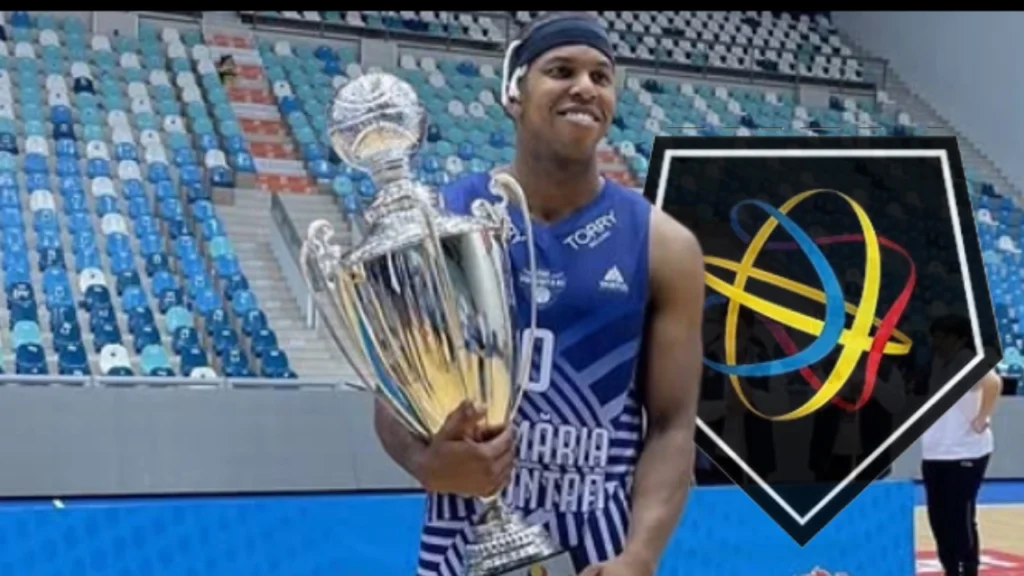
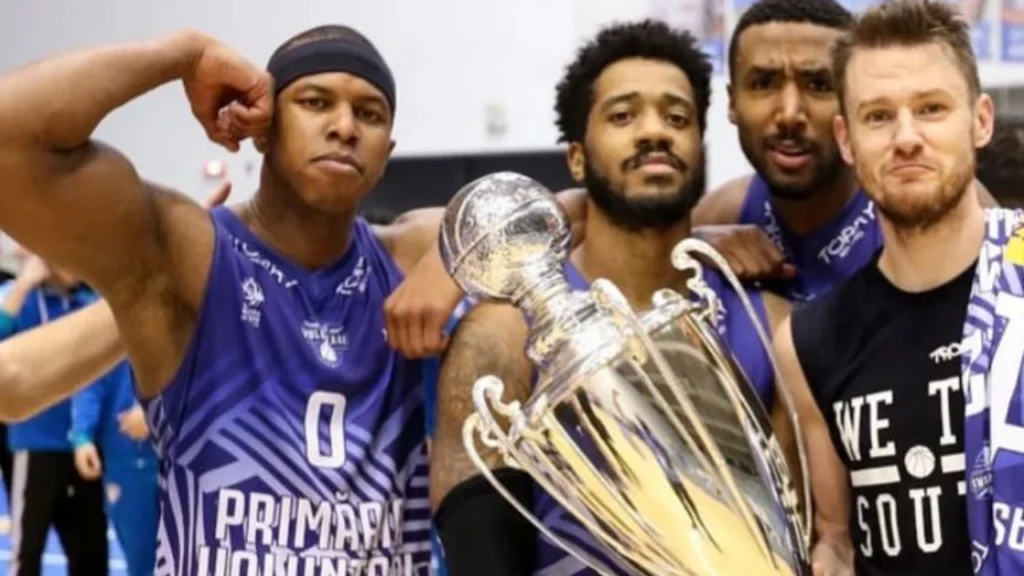
6. In Romania you helped CSO Voluntari win the 2022 Cup. What stood out to you about the Romanian style of play, and how did that title change your confidence or reputation abroad?
Romania became home because the organization was very professional and took care of me. Winning the cup changed my perspective because it showed me what it really took to win the right way. I knew what I had to do to sustain success in Europe.
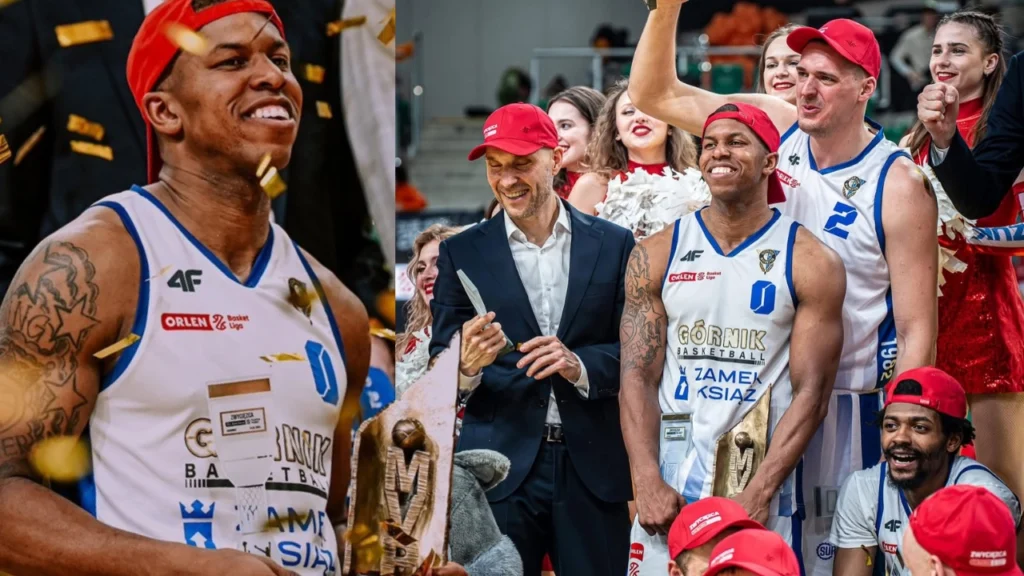
7. Fast forward to Poland—you were named MVP of the 2025 Polish Cup Final with Górnik Wałbrzych. What did that performance mean to you personally, especially knowing it came near the end of your playing career?
Winning MVP was great, but I was more excited about winning the cup for the city, the team, and my teammates. Personally, I visualized winning the cup before the game, and it was fulfilling to execute that vision.
8. Out of all your stops across Europe, which city or country most felt like home, and why?
Romania and Greece. I spent three years in each and learned the languages. The Greek lifestyle — especially living near the beach — really appealed to me, while Romania became home through relationships and cultural understanding.
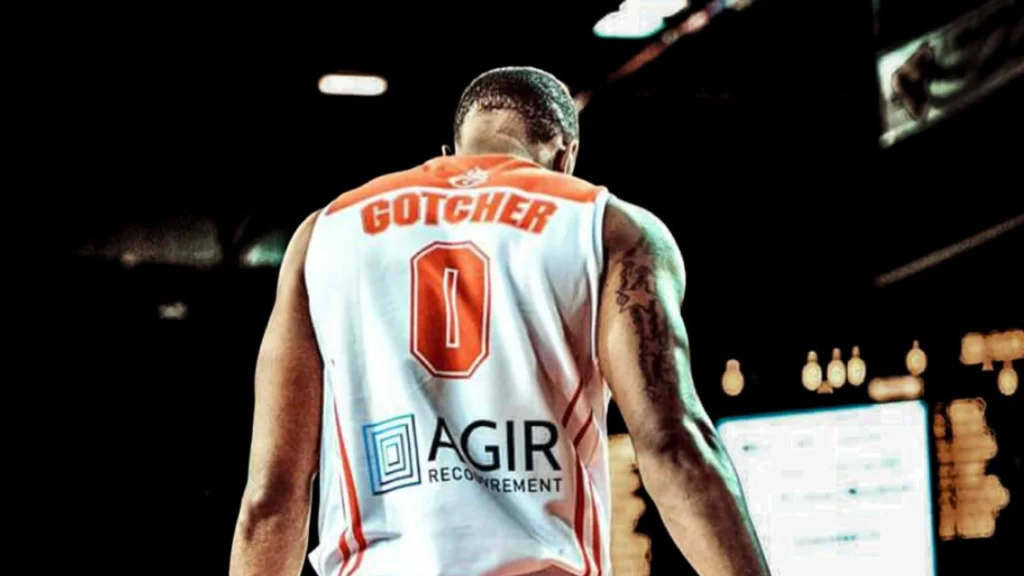
9. If you could restart your pro career today—in the era of NIL, analytics, and social media—what would you prioritize differently in your development or approach?
I would prioritize real relationships and treating people right. Social media isn’t real life; the lasting effect comes from valuable relationships. Everything else falls into place when you’re doing the right thing.
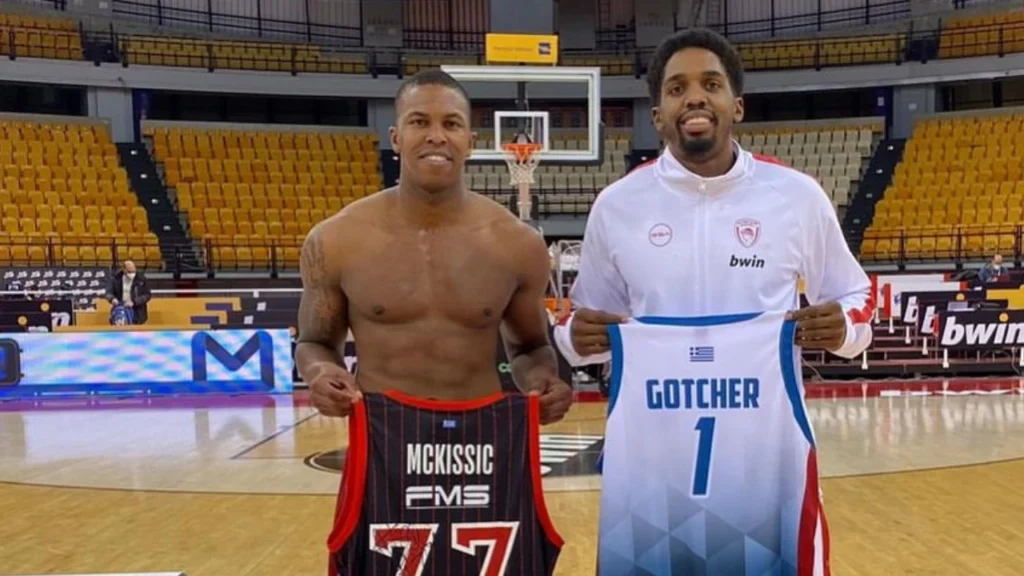
10. Off the court, what was the hardest adjustment overseas—language, culture, isolation, or something else—and how did you learn to manage it?
My rookie year was the hardest due to isolation. I found purpose through reading, puzzles, and traveling. Over time, I embraced every country’s culture and made it part of me.
11. What advice would you give to a 22-year-old finishing college who has their first overseas contract offer on the table?
Know yourself — know what you do best on and off the court. Learn from others’ mistakes because you can get cut quickly. Self-awareness and preparation are everything.
12. From being a star in some stops to a role player in others, how did you measure success for yourself each season when the role shifted?
For me, success was always about the team. Stats don’t define overseas players. Coaches and GMs look at efficiency and fit. I measured success by whether I helped the team win.
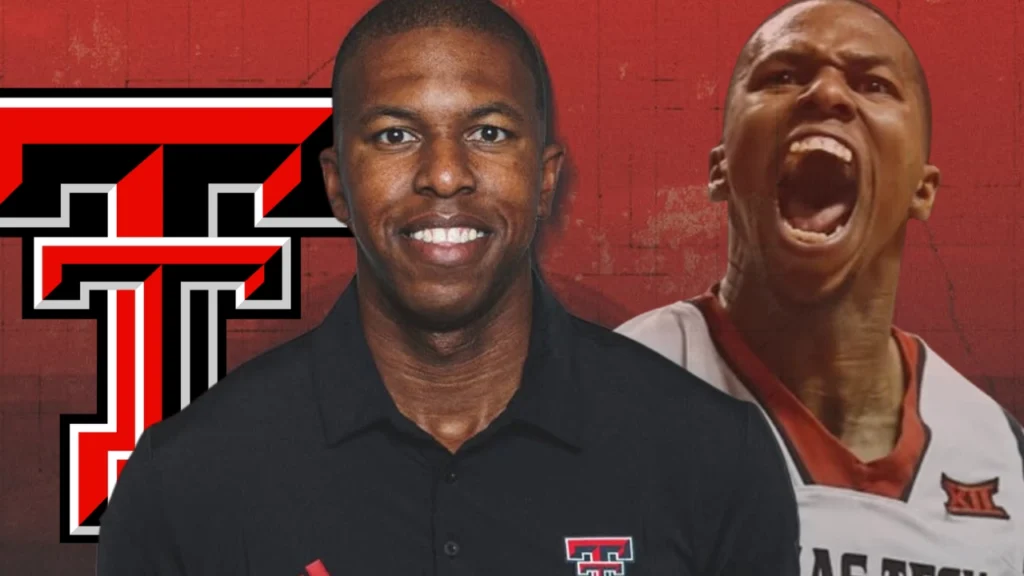
13. In August 2025 you joined Grant McCasland’s staff back at Texas Tech. What was the deciding factor in saying, ‘It’s time to hang it up and coach,’ even after a championship season in Poland?
I thought I had five more years to play, but the opportunity was too good. Coach McCasland gave me a chance to give back to the university that gave me so much. I couldn’t pass it up, so I retired immediately and joined the staff.
14. Now that you’re mentoring players from the other side, what is the single most important piece of advice you share with college seniors about preparing for the overseas grind and building a sustainable career?
Prepare to be uncomfortable. Learn the European lifestyle and style of play. Once you adjust to that quickly, you can thrive both culturally and on the court.
Toddrick Gotcher’s story shows the resilience required to thrive overseas and the importance of valuing relationships, adaptability, and team success. From lifting cups in Romania and Poland to returning home as a coach at Texas Tech, he embodies the full-circle journey of a player turned mentor.