


From his early years in the NBL with Illawarra, to representing Australia on the national stage, to fighting back from serious injuries, Daniel Grida has lived the highs and lows of a professional career. Known for his authenticity and work ethic, he continues to inspire as both a player and a person, proving that setbacks can fuel comebacks.
In this interview with Premier Media, Grida opens up about his journey through Australian basketball, his time in New Zealand’s NBL, the challenges of recovery, and the lessons he carries forward
1. In this interview with Premier Media, Grida opens up about his journey through Australian basketball, his time in New Zealand’s NBL, the challenges of recovery, and the lessons he carries forward
Growing up watching the lakeside lightning SBL team was an eye-opener for me because it waswhenI first came across players who were paid to play.It was onlythenthat Irealizedthatpeople could do this professionally and it be their main job and source of income. I was probablyaround 15-16 years old.

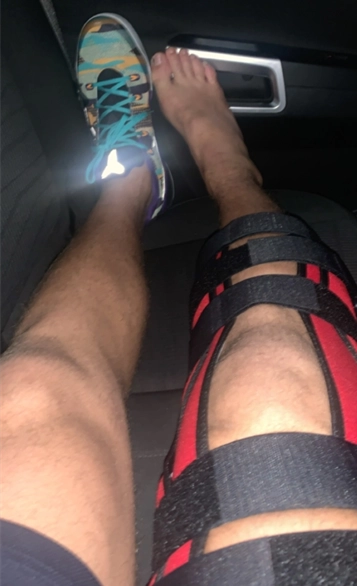
2. You’ve had to deal with serious injuries in your career, including an ACL tear. How did those challenges shape your mindset as an athlete?
Being injured and having to forcefully step back from the sport on multiple occasions changed my mindset completely. I had to learn to find joy in life from other things which actually helped my basketball in the long term.
3. What was the transition like from junior leagues to playing professionally in the NBL with the Illawarra Hawks?
Growing up being one of the good players around your area is one thing, but when you make that jump to playing professionally everyone around you is bigger and stronger. You really have to define what you can bring to your team and learn to excel at that role.
4. How would you describe your playing style, and how has it evolved over the years?
I would say my playing style is high energy and fast paced. Whether that’s picking up my player in full court defense or running the lanes in transition. I have always really played similar to this style, but I would say as I have progressed professionally, I have tried to slow down and play more patiently.
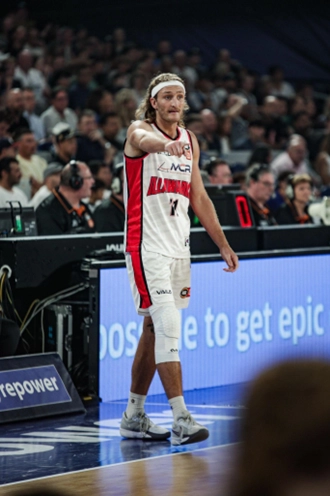
5. After returning from injury, what was your rehab process like, both physically and mentally?
I was really lucky to be taken care of by Illawarra during this time in my career. It was just as hard mentally as it was physically. Both were pretty grueling processes but it really shaped me not just as a player but as an individual off the court
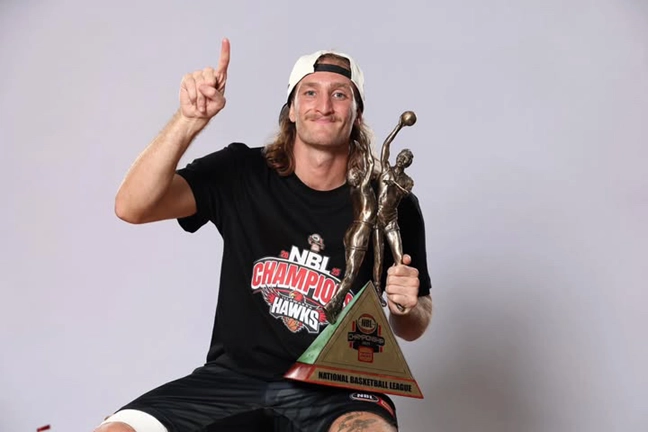
6. What’s been your most memorable moment on the court so far in your professional career?
Winning the chip, on paper, is probably the coolest part of my career so far. But even the whole 2024/2025 season was elite in terms of the whole culture on and off the court with the boys.
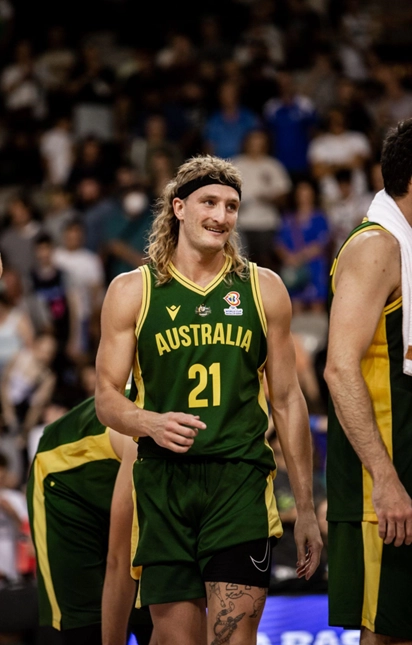
7. As a young player once seen as a future Boomer, how do you handle the pressure of high expectations?
I have never felt heaps of pressure in this area and have always seen these opportunities as bonuses. I loved every time I’ve got to represent Australia or the Illawarra.
8. Looking at the current NBL landscape, how do you see your role developing over the next few seasons?
The opportunities I got in this last post-season were awesome, I would love to do that for a whole NBL season and see where that gets me.
9. How do you compare New Zealand basketball with Australian one?
Basketball in NZ is definitely on the rise, there are some great young talents coming through that will have big futures. Playing in NZ has been great and I have loved playing three off-seasons over there.
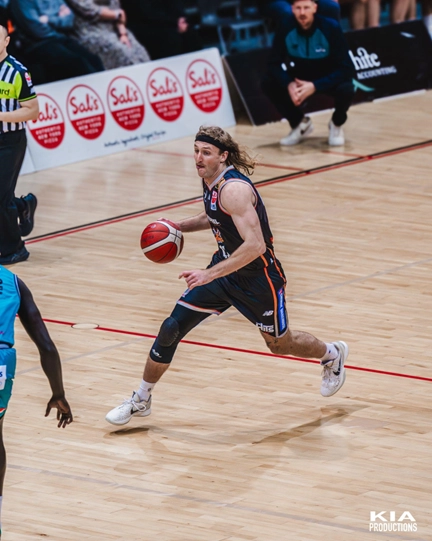
10. Did you ever get a chance to go to Europe or an interest from the NBA teams?
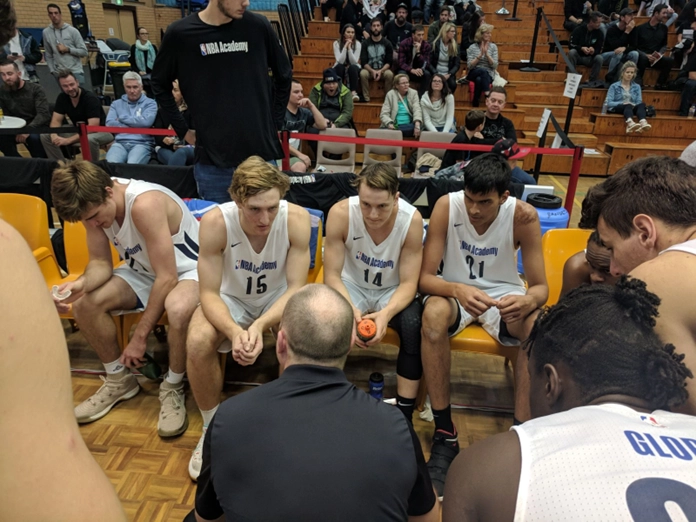
Being at the AIS, we would do various NBA camps with the NBA Academy, but my career so far has been with the NBL. As for Europe, I actually hold an Italian passport, so I am definitely keen to explore those leagues at some point.
11. What advice would you give to young Australian athletes who are working toward making it in professional basketball?
I would probably say that make sure you are doing everything you canto better your game but also make sure you have some sort of balance in your life.
Daniel Grida’s path is a story of resilience and authenticity. From suiting up in the NBL to overcoming injuries and returning stronger, his journey highlights the mindset needed to thrive as a professional athlete. For young players, his message is clear: believe in yourself, embrace the grind, and never let challenges define your future.